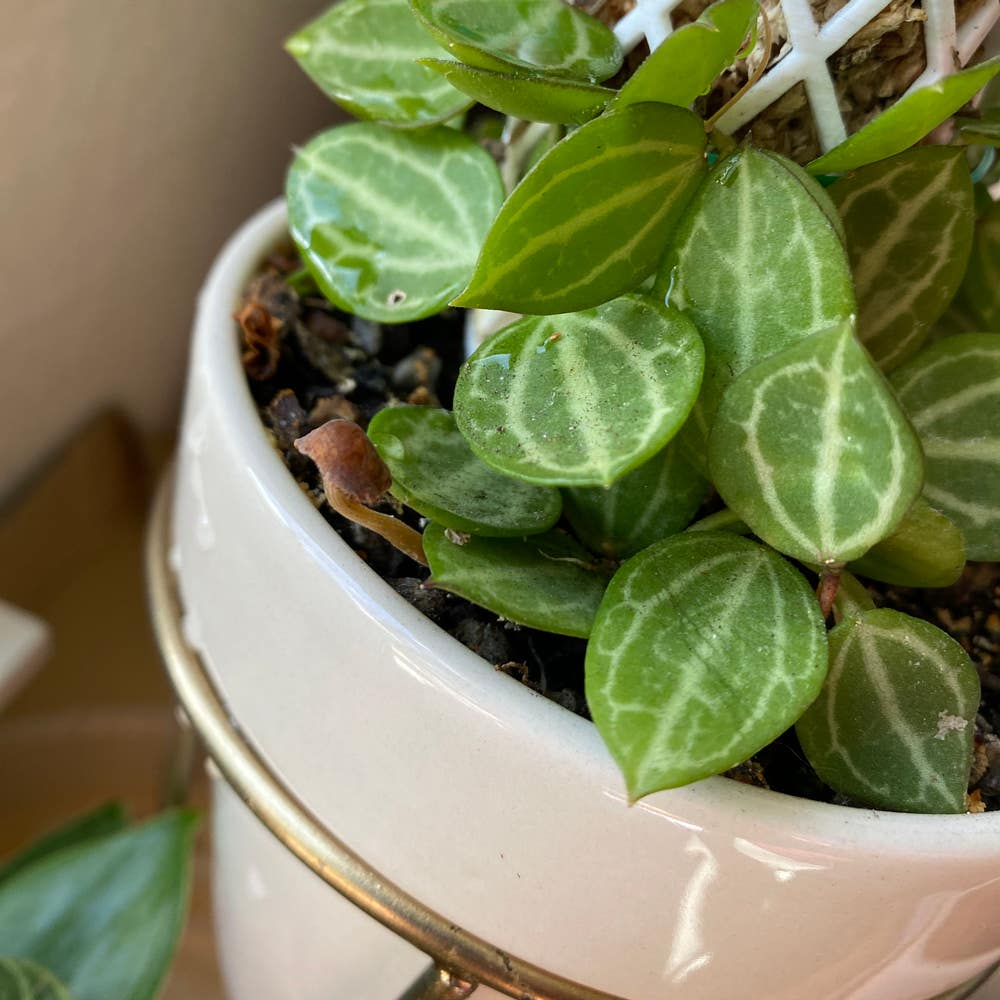
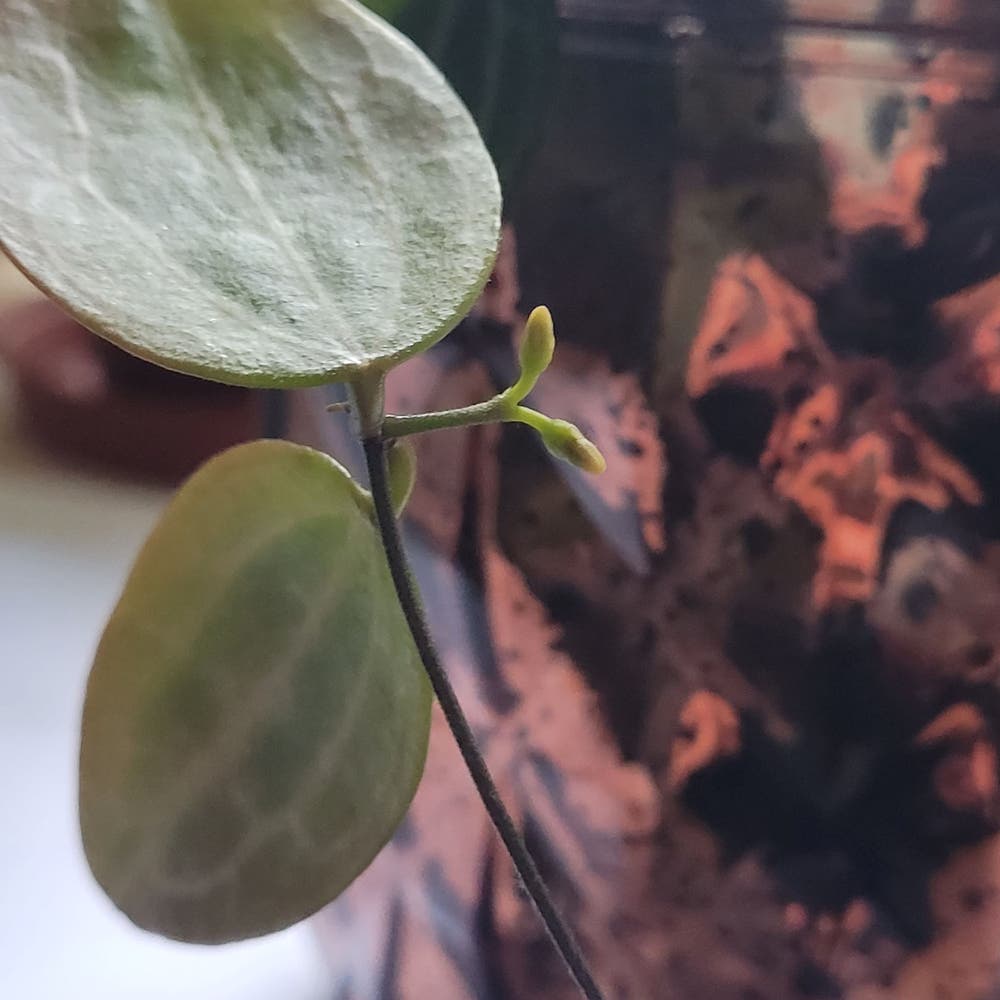
Common Watermelon Dischidia Problems
Dischidia ovata
By the Greg Editorial Team
Jun 18, 2024•6 min read
This article was created with the help of AI so we can cover more plants for you. May contain errors. See one? Report it here.
Nurse your Watermelon Dischidia back to health 🌿—conquer common problems with this essential guide!
- Yellow leaves and mushy stems signal over-watering or poor nutrition.
- Crispy or drooping leaves indicate under-watering or excessive light.
- Root rot detection: musty smell and dark roots; treat with repotting and care.
When Your Watermelon Dischidia Sends an SOS
🚨 Spotting Trouble: Key Symptoms to Watch For
Wilting, yellowing leaves, and stunted growth are your Watermelon Dischidia crying out for help. Early detection is key to turning things around.
💬 Decoding the Symptoms: What Your Plant is Trying to Tell You
Symptoms are clues; match them to potential problems for an accurate diagnosis. Let's dive into the world of plant whispering.
🥀 Wilting Wonders
Wilting? Could be a watering issue or a cry for better humidity. Don't just water on autopilot—check the soil moisture first.
🟡 Yellowing Yells
Yellow leaves often scream over-watering or nutritional deficiencies. It's not just about less water; it's about the right balance.
📉 Stunted Growth Shouts
If growth has hit a wall, consider light, nutrients, or pests. It's a puzzle, and every piece matters for your Dischidia's well-being.
⚫️ Black Dots and Brown Spots
Notice black dots or brown spots? Fungal foes might be at play. Act fast—fungus spreads like gossip in a small town.
😮 Puffy Leaves
Puffy leaves can signal too much water or poor drainage. Think of it as your plant having waterlogged feet—uncomfortable and unhealthy.
🍂 Crispy Critiques
Crispy leaves? Your Dischidia might be thirstier than a marathon runner. Check the soil before you drench; it might just need a sip.
🤢 Mushy Stems
Mushy stems are the plant equivalent of a bad cold. Over-watering alert! Time to adjust your watering schedule and ensure good drainage.
🍂 Leaf Drop Drama
Leaves dropping like hot potatoes? Could be too much or too little water. It's a balancing act, and your plant's depending on you to get it right.

Diving into Watering Woes
💧 Too Much Love: The Perils of Over-watering
Yellowing leaves and mushy stems are the plant's way of saying, "Ease up on the H2O!" Over-watering can lead to a host of issues, including root rot and fungal growth.
To rescue an over-watered Watermelon Dischidia, stop watering immediately. Let the soil dry out before you consider giving it another drink. Check the roots for rot—snip off any mushy, discolored parts. Repotting in fresh, well-draining soil might just be the lifeline your plant needs.
🏜️ Thirsty for Attention: Under-watering Pitfalls
On the flip side, drooping leaves and dry, lifeless foliage signal a cry for hydration. Under-watering can be just as detrimental as over-watering, leaving your Dischidia looking more like a wilted salad than a vibrant plant.
To strike a balance, monitor the soil moisture. Water when the top inch feels dry, and make sure the plant gets a thorough drink. Mulch can help maintain an even moisture level, acting as a buffer against the extremes. Regular checks are your best defense against under-watering drama.

Light and Temperature: Finding the Sweet Spot
🌞 Sunburn and Shade: Preventing Leaf Scorching and Fading
Recognizing the Signs
Crispy leaf tips and brown patches are your Watermelon Dischidia's way of waving a white flag at the sun. Too much light is a no-go. On the flip side, a plant stretching out like it's trying to snag a fly ball could mean it's desperate for more rays.
Adjusting the Light
To prevent the botanical equivalent of a sunburn, reposition your plant to a spot with bright, indirect light. Think of it as a shady nook where it can sip its light like a fine wine, not guzzle it like cheap soda.
🌡️ Weathering the Temperature: Avoiding Extremes
Spotting Temperature Stress
Pale leaves might as well be flashing neon signs saying, "I'm not okay!" It's not just about water; your plant could be throwing a temperature tantrum. And yellow leaves with brown tips? They're screaming for a humidity check.
Stabilizing the Environment
If your Dischidia is acting like it's in a bad reality show, ditch the drama by stabilizing the temperature. Keep it away from drafty windows and vents that could cause more mood swings than a soap opera character. Remember, your plant's comfort zone is more spa retreat, less extreme weather survival show.

Battling Invaders and Infections
🐜 Pests: Unwanted Guests and How to Show Them Out
Mealybugs and spider mites are like that distant relative who shows up unannounced and won't leave. They suck the life out of your Watermelon Dischidia, leaving telltale signs like a sticky residue or fine webbing. To evict these pests, introduce them to a spritz of insecticidal soap or neem oil. Remember, the undersides of leaves are their favorite hideouts, so get in there and clean house.
🍄 Mold and Fungus: Keeping the Air Clean and Clear
Mold and fungus turn your Dischidia's home into a fungal fiesta—not the fun kind. If you spot powdery mildew or suspicious fuzz, it's time to crank up the airflow. A fan can work wonders, keeping the air moving and discouraging mold growth. Sometimes, though, you need to bring out the big guns: a fungicide might be in order. But don't just spray and pray; make sure your plant's living conditions are dry and well-ventilated to prevent a moldy encore.
Rooting Out the Issue: Dealing with Root Rot
🌱 The Smell of Despair: Recognizing Root Rot
Root rot in Watermelon Dischidia is like a silent plant assassin; it's deadly and often goes unnoticed until it's too late. Detecting root rot is crucial and can be done through a combination of smell and visual cues. If your plant's base emits a scent reminiscent of a damp, musty basement, it's time to play detective.
👀 Visual Cues: Unearthing the Problem
Upon suspecting root rot, it's time for a root autopsy. Gently remove the plant from its pot and examine the roots. Healthy roots boast a firm texture and a white or light tan color. In contrast, rotten roots are the plant world's equivalent of overcooked spaghetti – mushy, dark, and often falling apart to the touch.
🚑 Immediate Actions to Treat Root Rot
When root rot is confirmed, it's surgery time. Snip off the afflicted roots with sterilized scissors, as if you're a plant surgeon removing diseased tissue. After the operation, give your plant a fresh start with new, well-draining soil and a clean pot. Remember, this isn't just about recovery; it's about setting your Dischidia up for a rot-free future.
🌿 Repotting with Care
Repotting is more than just a change of scenery for your plant; it's a life-saving procedure. Use a pot with ample drainage and a soil mix that doesn't hold water like a sponge. Think of it as creating a comfy, breathable bed for your plant's roots. After repotting, resist the urge to water your plant immediately. Give it some time to acclimate to its new home and recover from the shock of surgery.
⚠️ Safety First
This content is for general information and may contain errors, omissions, or outdated details. It is not medical, veterinary advice, or an endorsement of therapeutic claims.
Always consult a qualified healthcare professional before using any plant as food, medicine, or supplement.
Never eat any plant (or feed one to pets) without confirming its identity with at least two trusted sources.
If you suspect poisoning, call Poison Control (800) 222-1222, the Pet Poison Helpline (800) 213-6680, or your local emergency service immediately.
Spotted an error? Please report it here.
Nurture your Watermelon Dischidia back to health with Greg's guidance 🌿, tailoring solutions to each symptom for your plant's best life.