🍉 Watermelon Dischidia: Not an Invasive Plant
Dischidia ovata
By the Greg Editorial Team
Oct 17, 2024•6 min read
This article was created with the help of AI so we can cover more plants for you. May contain errors. See one? Report it here.
Transform your garden with Watermelon Dischidia—beauty and biodiversity without the invasive hassle! 🌿
- 🌱 Watermelon Dischidia is non-invasive, making it a responsible gardening choice.
- 🌿 Thrives in bright, indirect light with minimal maintenance for vibrant growth.
- 🐝 Supports biodiversity by attracting beneficial insects and promoting ecological balance.
Plant Classification
🌱 Invasive Species Definition
Invasive species are notorious for their rapid growth and spread. They often displace native flora and can wreak havoc on local ecosystems.
🍉 Watermelon Dischidia Characteristics
Watermelon Dischidia has a trailing growth habit, making it perfect for hanging baskets or as ground cover. Its adaptability is limited by light and moisture conditions, ensuring it thrives without overwhelming its surroundings.
🚫 Non-Invasive Status
This plant's growth is primarily controlled by environmental factors, which prevents it from becoming aggressive. Unlike invasive species, Watermelon Dischidia does not exhibit rapid spread or negative ecological impacts, making it a responsible choice for gardeners.
With its unique characteristics and non-invasive nature, Watermelon Dischidia stands out as an excellent addition to any garden. Next, we’ll explore its growth habits in more detail.
Growth Habits
Typical Growth Patterns 🍉
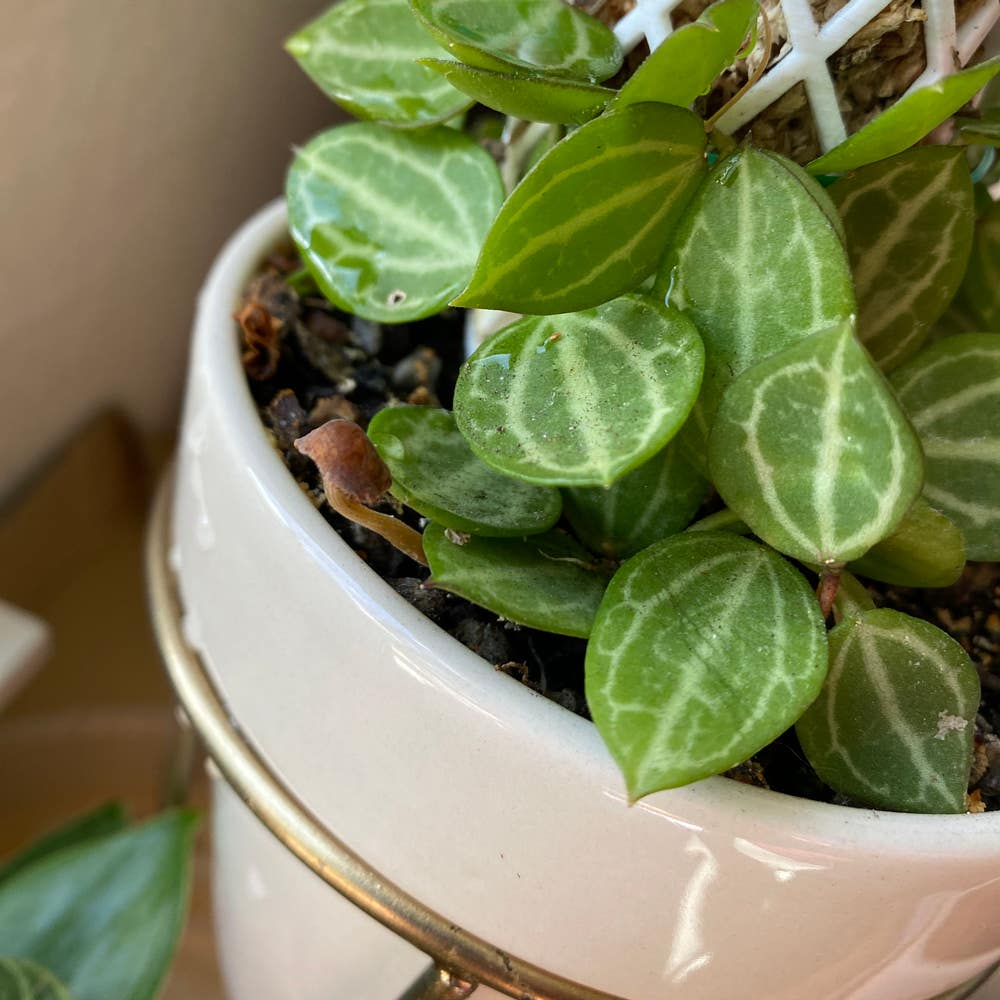
Watermelon Dischidia showcases a charming growth form, characterized by trailing vines that can reach lengths of 3 to 4 feet. Its round, succulent leaves are adorned with a striking watermelon pattern, adding a unique aesthetic to any space.
Natural Growth Limits 🌱
This plant thrives under optimal conditions, preferring bright, indirect light and moderate humidity. However, its spread is naturally limited by environmental factors, ensuring it doesn’t aggressively colonize like some other species.
Environmental Conditions 🌡️
For ideal growth, Watermelon Dischidia flourishes in temperatures ranging from 20°C to 30°C (68°F to 86°F). It also requires a well-draining potting mix, favoring slightly acidic to neutral pH levels for optimal health.
Understanding these growth habits is essential for successful cultivation. With the right conditions, Watermelon Dischidia can be a delightful addition to your garden, enhancing both beauty and biodiversity.
Ecological Role
Benefits to Ecosystems 🌍
Watermelon Dischidia plays a vital role in enhancing biodiversity. It supports various insects and pollinators, creating a lively ecosystem in your garden.
Additionally, this plant contributes to nutrient cycling. Its leaf litter enriches the soil, promoting overall health and vitality in the garden.
Positive Wildlife Interactions 🦋
This plant fosters symbiotic relationships with insects. By attracting beneficial pollinators, it helps ensure a thriving garden environment.
Moreover, Watermelon Dischidia provides shelter for small wildlife. Its trailing vines create cozy habitats, making your garden a haven for diverse creatures.
Incorporating Watermelon Dischidia not only beautifies your space but also enriches the local ecosystem. Its ecological benefits make it a fantastic choice for sustainable gardening.
As we explore garden management next, consider how to best integrate this plant into your designs for maximum impact.
Garden Management
Incorporating into Garden Designs 🍉
Watermelon Dischidia thrives in various garden settings. Consider using it in hanging baskets or vertical gardens to showcase its trailing vines.
For ground cover, it works beautifully in shaded areas, adding a lush, tropical feel. Pair it with other tropical plants to enhance visual appeal and create a vibrant atmosphere.
Growth Control Methods ✂️
To keep your Watermelon Dischidia looking its best, regular pruning is essential. Trim back the vines to maintain your desired shape and size.
Additionally, monitor moisture and light levels. This will help prevent excessive growth and ensure your plant remains healthy and manageable.
Maintenance Tips 🧑🌾
Establishing a consistent watering schedule is crucial. Allow the soil to dry slightly between waterings to avoid over-saturation.
Fertilize your plant with a balanced liquid fertilizer every 4-6 weeks during the growing season. This will support its growth and keep it thriving throughout the year.
Incorporating these management techniques will not only enhance the beauty of your garden but also ensure the health of your Watermelon Dischidia. Next, let’s explore its ecological role and the benefits it brings to your garden ecosystem.
Comparison to Other Plants
🌱 Similar Non-Invasive Plants
Watermelon Dischidia shares its non-invasive status with other popular houseplants like String of Hearts and Pothos. These plants also exhibit trailing growth habits, making them excellent choices for hanging baskets or vertical gardens.
🌿 Growth Habits and Care Requirements
- String of Hearts: Known for its delicate, heart-shaped leaves, it thrives in similar light conditions but can tolerate lower humidity.
- Pothos: This hardy plant is more forgiving with water and light, making it a favorite for beginners.
While all three plants are easy to care for, Watermelon Dischidia stands out with its unique leaf patterns and specific environmental needs.
🍉 Unique Qualities
One of the most striking features of Watermelon Dischidia is its distinctive leaf pattern, reminiscent of a watermelon rind. This visual appeal, combined with its trailing growth habit, makes it a standout in any collection.
Moreover, it requires less maintenance compared to many tropical houseplants. Its adaptability means you can enjoy its beauty without constant fuss.
🌼 Benefits of Choosing Watermelon Dischidia
Opting for Watermelon Dischidia in your garden offers several advantages. Its non-invasive nature simplifies management, allowing for a more relaxed gardening experience.
Additionally, its aesthetic charm and ecological benefits make it a versatile choice. You can enhance your garden's biodiversity while enjoying a visually stunning plant.
As you explore the world of non-invasive plants, Watermelon Dischidia proves to be a delightful and responsible option. Next, let’s delve into the legal and environmental considerations surrounding this unique plant.
Legal and Environmental Considerations
🌱 Classifications and Guidelines
When it comes to planting non-invasive species, local regulations can vary significantly. It's crucial to familiarize yourself with these guidelines to ensure your garden contributes positively to the environment.
Selecting non-invasive plants like Watermelon Dischidia is essential for sustainable gardening. These plants help maintain ecological balance and prevent the displacement of native species.
♻️ Sustainable Gardening Practices
Incorporating Watermelon Dischidia into eco-friendly garden designs is a smart choice. Its adaptability and low maintenance needs make it an excellent candidate for various garden settings.
By choosing non-invasive plants, you enhance biodiversity and support ecosystem health. This responsible planting approach fosters a thriving environment for both flora and fauna.
🌍 Environmental Impact
Watermelon Dischidia has a minimal negative impact on local ecosystems. Its non-invasive nature allows it to coexist harmoniously with native plants.
Moreover, this plant contributes to sustainable gardening efforts and biodiversity conservation. By making informed choices, you can create a garden that not only looks good but also supports the environment.
As we explore the next section on the benefits of Watermelon Dischidia, consider how this plant can enhance your garden while promoting ecological health.
⚠️ Safety First
This content is for general information and may contain errors, omissions, or outdated details. It is not medical, veterinary advice, or an endorsement of therapeutic claims.
Always consult a qualified healthcare professional before using any plant as food, medicine, or supplement.
Never eat any plant (or feed one to pets) without confirming its identity with at least two trusted sources.
If you suspect poisoning, call Poison Control (800) 222-1222, the Pet Poison Helpline (800) 213-6680, or your local emergency service immediately.
Spotted an error? Please report it here.
Cultivate a stunning garden with Watermelon Dischidia 🌱, and let Greg provide personalized care tips and watering reminders to ensure your eco-friendly choice thrives beautifully!