🍉 3 Facts About Watermelon Dischidia Height and Width
Dischidia ovata
By the Greg Editorial Team
Oct 17, 2024•4 min read
This article was created with the help of AI so we can cover more plants for you. May contain errors. See one? Report it here.
Cultivate a vibrant Watermelon Dischidia 🌱 to elevate your space with its unique growth habits and care tips!
- 🌱 Watermelon Dischidia grows 12-36 inches tall and 12-24 inches wide with proper care.
- 🌿 Optimal conditions can achieve maturity in just 1-2 years; light and humidity matter!
- 🪴 Dwarf and giant varieties exist, catering to different space needs and preferences.
Mature Height and Width
Typical Dimensions 🌱
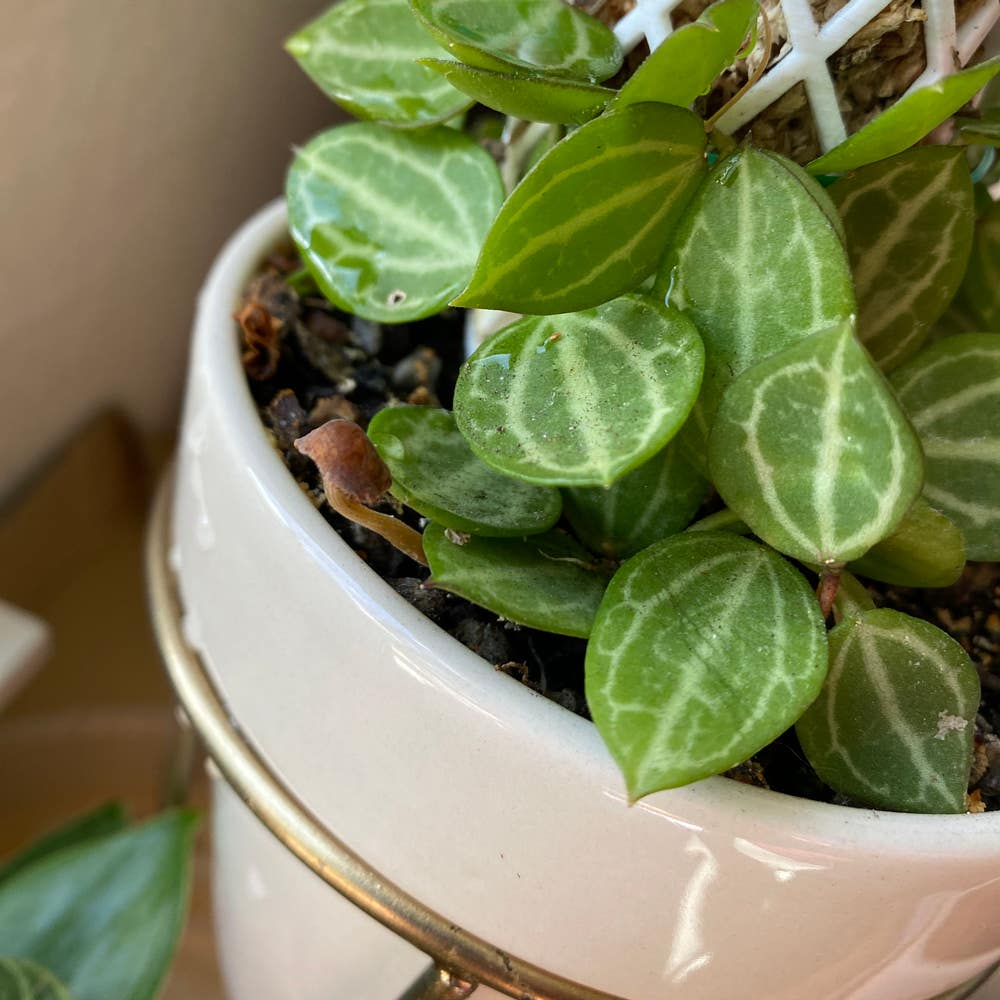
Watermelon Dischidia typically reaches a mature height of 12 to 36 inches (30 to 90 cm). The width can range from 12 to 24 inches (30 to 60 cm) when allowed to spread naturally.
Growth Habits 🌿
This plant exhibits a trailing or climbing nature, making it perfect for hanging baskets or trellises. When grown in containers, it tends to adopt a more compact growth pattern compared to when it's in open ground.
Factors Influencing Size 📏
The size of Watermelon Dischidia can vary significantly based on care practices and environmental conditions. Factors such as light, humidity, and soil quality play crucial roles in determining its final dimensions.
Understanding these aspects can help you cultivate a thriving plant that fits your space perfectly. With the right conditions, you can enjoy a lush, vibrant addition to your home or garden.
As we delve deeper into the growth rate and time to maturity, you'll discover how to optimize your care for this fascinating plant.
Growth Rate and Time to Maturity
Growth Rate 🌱
Watermelon Dischidia is known for its impressive growth rate. Under optimal conditions, this plant can reach maturity in just 1 to 2 years.
Time to Maturity ⏳
Several factors can influence how quickly your Watermelon Dischidia matures. Key elements like light, humidity, and nutrient availability play crucial roles in either accelerating or slowing down its growth.
Monitoring Growth 👀
Regular observation is essential for successful cultivation. By keeping track of growth patterns, you can adjust care practices to ensure your plant thrives.
With a solid understanding of growth rates and maturity timelines, you're well-equipped to nurture your Watermelon Dischidia effectively. Next, let’s explore how environmental conditions can impact the size of your plant.
Size Variability Based on Conditions
🌍 Environmental Impact on Size
Light plays a crucial role in the growth of Watermelon Dischidia. Bright, indirect light promotes optimal growth, while insufficient light can stunt the plant's size significantly.
Humidity is another key factor. These plants thrive in high humidity; lower humidity levels can lead to smaller dimensions and less vigorous growth.
🌱 Soil Type and Nutrient Availability
The right soil type is essential for healthy growth. Well-draining soil is a must, as it prevents waterlogging and encourages robust root development.
Nutrient availability also affects size. Regular fertilization can support faster growth and larger dimensions, making it vital to feed your plant appropriately for the best results.
Understanding these factors can help you create the ideal environment for your Watermelon Dischidia, ensuring it reaches its full potential. Next, let’s explore the various varieties and their unique growth potentials.
Varieties and Their Growth Potential
🌱 Dwarf Varieties
Dwarf varieties of Watermelon Dischidia are compact, typically reaching heights of 6 to 12 inches (15 to 30 cm). These plants are perfect for indoor gardening or small outdoor spaces, making them a great choice for urban gardeners.
🦙 Giant Varieties
On the other end of the spectrum, giant varieties can exceed 36 inches (90 cm) in height when given optimal conditions. These plants require ample space and resources, thriving in environments where they can spread out and grow freely.
Understanding the differences between these varieties can help you choose the right one for your gardening needs. Whether you're limited on space or ready to let a giant flourish, there's a Watermelon Dischidia variety for everyone.
Next, let’s explore how to control the size of your plants through effective care techniques.
Controlling Size Through Care
✂️ Pruning Techniques for Size Management
Pruning is essential for maintaining the desired dimensions of your Watermelon Dischidia. It not only controls size but also encourages bushier growth, making your plant look fuller and healthier.
For best results, follow a pruning schedule every 6-12 months. This regular maintenance helps shape the plant and prevents it from becoming leggy.
🪴 Container Growth and Size Control
Growing Watermelon Dischidia in containers offers unique advantages. Limiting root space naturally restricts the overall size, making it easier to manage.
Aim for a pot size of 8-12 inches (20-30 cm) in diameter. This size is optimal for controlling growth while still allowing the plant to thrive.
📏 Tips for Encouraging Desired Growth Habits
Regular monitoring is key to successful plant care. Keep an eye on growth patterns and adjust your care routine as needed.
Additionally, consider environmental adjustments. Modifying light and humidity can significantly influence the size and health of your Watermelon Dischidia.
By implementing these strategies, you can cultivate a thriving plant that fits perfectly in your space. Next, let’s explore how environmental factors impact size variability.
⚠️ Safety First
This content is for general information and may contain errors, omissions, or outdated details. It is not medical, veterinary advice, or an endorsement of therapeutic claims.
Always consult a qualified healthcare professional before using any plant as food, medicine, or supplement.
Never eat any plant (or feed one to pets) without confirming its identity with at least two trusted sources.
If you suspect poisoning, call Poison Control (800) 222-1222, the Pet Poison Helpline (800) 213-6680, or your local emergency service immediately.
Spotted an error? Please report it here.
Unlock the full potential 🌿 of your Watermelon Dischidia with Greg's tailored care reminders and growth tracking, ensuring your plant flourishes beautifully in any space!