🍉 Why Watermelon Dischidia Is Not an Annual
Dischidia ovata
By the Greg Editorial Team
Oct 17, 2024•5 min read
This article was created with the help of AI so we can cover more plants for you. May contain errors. See one? Report it here.
Unlock the secrets to nurturing Watermelon Dischidia 🌱 for a vibrant, long-lasting garden that thrives year after year!
- 🌱 Watermelon Dischidia is perennial, thriving for years despite a 6-12 month lifecycle.
- 💧 Its water-storing leaves enable survival during droughts, enhancing longevity.
- 🌿 Climbing growth habits require support, making care essential for optimal development.
Genetic and Physiological Characteristics
🌱 Long-term Lifecycle of Watermelon Dischidia
Watermelon Dischidia has a fascinating lifecycle that spans several stages. From germination to maturity, this plant typically takes about 6 to 12 months, depending on environmental conditions.
In optimal conditions, Watermelon Dischidia can live for several years, showcasing its perennial nature. Its ability to thrive over time is largely due to specific adaptations that enhance its longevity.
💧 Adaptations for Longevity
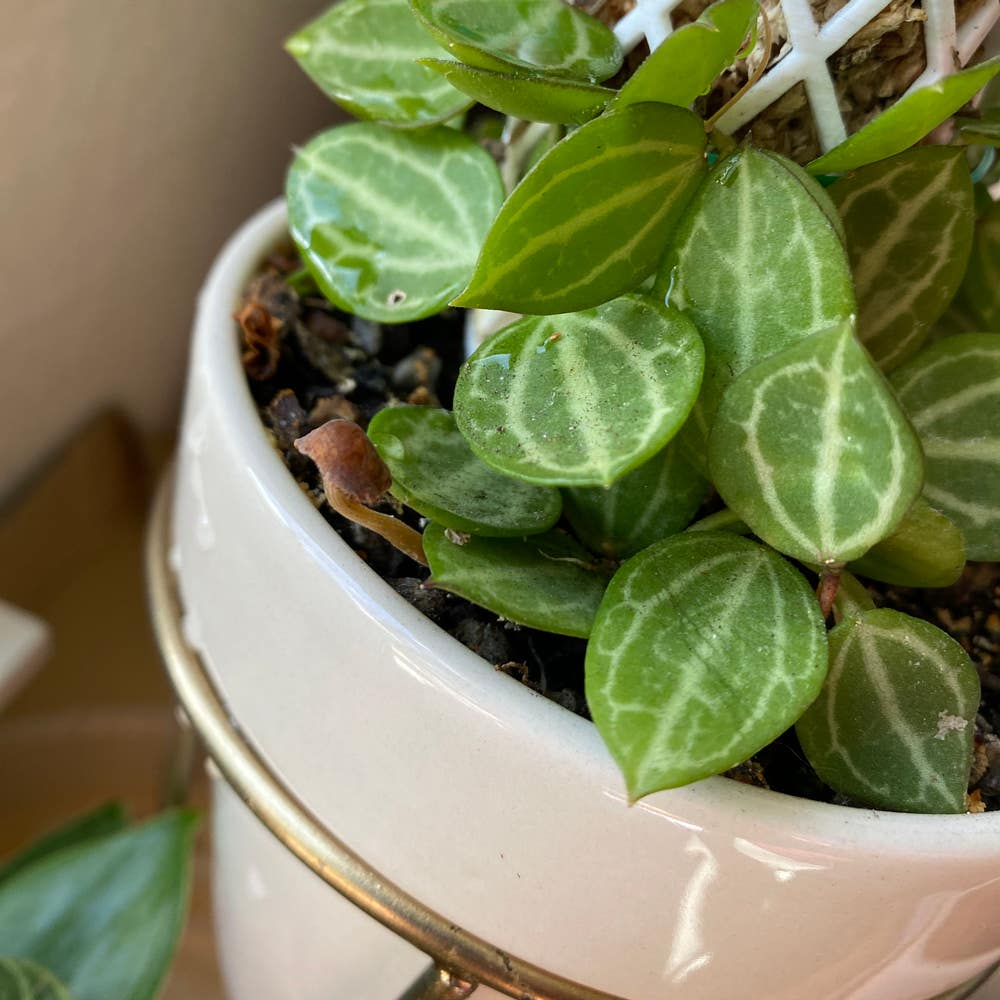
One of the key adaptations of Watermelon Dischidia is its capacity to store water in its leaves. This feature allows the plant to withstand periods of drought, making it resilient in various environments.
Such water storage not only aids in survival but also supports its growth during less favorable conditions. This adaptability is crucial for its long-term lifecycle.
🧗♂️ Growth Patterns and Habits
Watermelon Dischidia exhibits climbing growth characteristics, which are essential for its survival. It relies on support structures, such as trees or trellises, to reach sunlight and maximize its growth potential.
Understanding these climbing habits is vital for anyone looking to cultivate this plant. It thrives best when given the right support, allowing it to flourish.
🌦️ Seasonal Growth Variations
The plant experiences distinct active growth periods followed by dormancy. During the growing season, Watermelon Dischidia can rapidly expand, while in dormancy, it conserves energy and resources.
Recognizing these seasonal variations helps gardeners plan their care routines effectively. This knowledge ensures that the plant receives optimal attention throughout the year.
🌸 Reproductive Strategies and Flowering Cycles
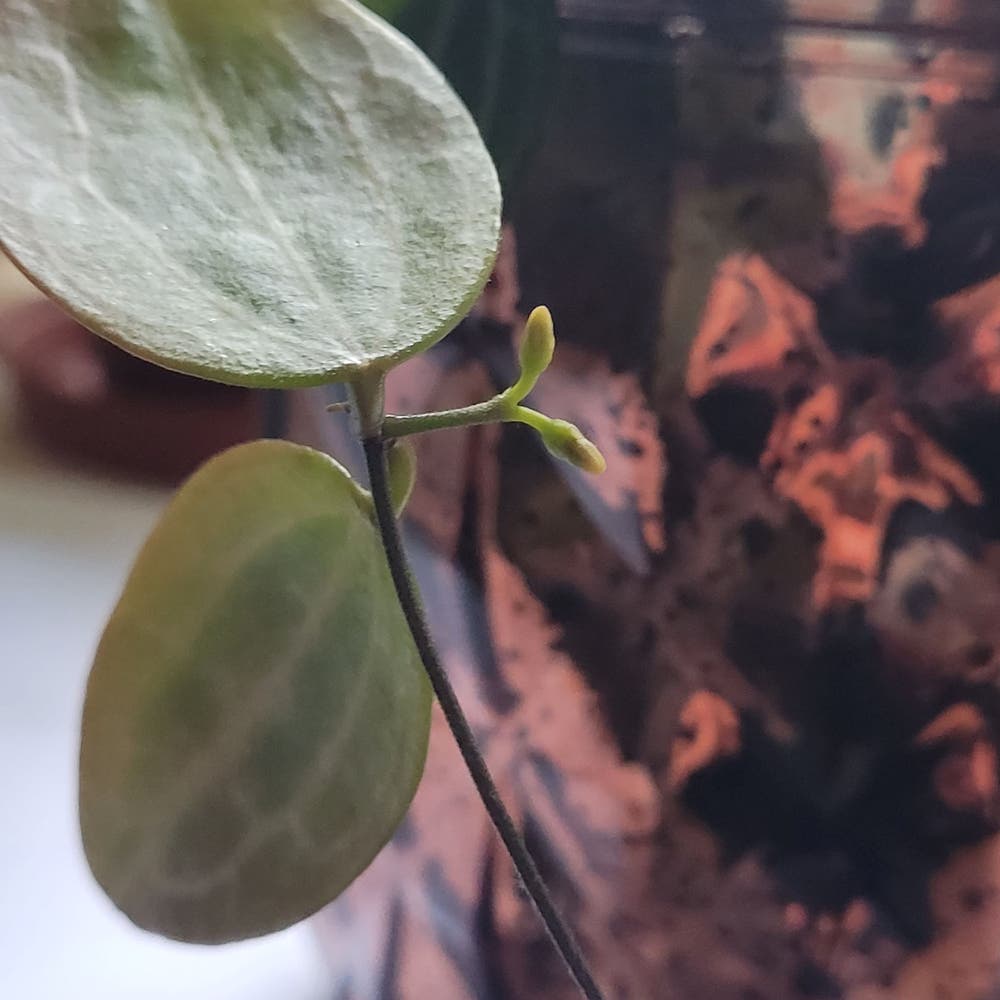
Watermelon Dischidia has unique flowering behavior that is closely tied to environmental conditions. It typically flowers during warm, humid periods, making timing crucial for successful blooms.
The plant's seed production mechanisms are equally important. Seeds play a vital role in its perennial lifecycle, ensuring the continuation of the species.
🌱 Importance of Seeds in the Perennial Lifecycle
Seeds not only facilitate reproduction but also contribute to the plant's adaptability. By producing seeds, Watermelon Dischidia can spread and thrive in various locations, enhancing its chances of survival.
Understanding these reproductive strategies is essential for anyone interested in cultivating this resilient plant. It highlights the importance of nurturing both the plant and its seeds for long-term success.
As we delve deeper into the lifecycle implications, we will explore how Watermelon Dischidia's growth and flowering differ from annual plants.
Lifecycle Implications
Differences in Growth and Flowering Compared to Annuals 🌱
Watermelon Dischidia exhibits a unique growth pattern that sets it apart from annual plants. Unlike annuals that complete their lifecycle in one growing season, Watermelon Dischidia thrives over multiple years, showcasing a slower, more deliberate growth rate.
This perennial plant experiences distinct seasonal variations. During active growth periods, it flourishes, while in dormancy, its growth significantly slows. This cyclical pattern allows it to conserve energy and resources, adapting to environmental changes effectively.
Seed Production and Its Significance in Perennials 🌼
Seed production in Watermelon Dischidia is a fascinating aspect of its lifecycle. The timing and conditions for seed development are crucial, often influenced by environmental factors like temperature and humidity.
In contrast to annuals, which produce seeds in a burst of activity, Watermelon Dischidia's seed production is more measured. This strategy not only aids in plant propagation but also ensures that the seeds are well-prepared for the next growing season, enhancing the plant's resilience and longevity.
Understanding these differences in growth and reproductive strategies highlights the unique advantages of Watermelon Dischidia as a perennial. This knowledge sets the stage for exploring how these characteristics can be leveraged in gardening practices.
Variations and Exceptions
🌱 Conditions Where Watermelon Dischidia May Be Treated as an Annual
Watermelon Dischidia can sometimes behave like an annual plant under specific environmental conditions. Extreme cold or inadequate care can lead to stunted growth and reduced lifespan.
Stress factors significantly impact its growth and survival. In less-than-ideal situations, this perennial may not thrive, mimicking the lifecycle of annuals.
🌍 Regional Differences Affecting Its Classification
Geographic variations play a crucial role in how Watermelon Dischidia grows. In tropical climates, it flourishes, while in temperate regions, its growth habits can differ dramatically.
Local gardening practices also influence perceptions of this plant. Gardeners in different areas may treat it as an annual based on their experiences and environmental challenges.
Understanding these variations helps in appreciating the adaptability of Watermelon Dischidia. This knowledge can guide gardeners in making informed decisions about its care and classification.
Management and Longevity
Best Practices for Managing Watermelon Dischidia as a Perennial 🍉
Watering and fertilization are crucial for the longevity of Watermelon Dischidia. Aim for a consistent watering schedule, allowing the soil to dry slightly between waterings to prevent root rot.
Fertilizing every few months with a balanced fertilizer can boost growth. This consistent care helps the plant thrive and maintain its vibrant appearance.
Pruning Techniques to Encourage Healthy Growth ✂️
Pruning is essential for promoting healthy growth in Watermelon Dischidia. Regularly trim back any dead or overgrown vines to encourage new growth and maintain an attractive shape.
This practice not only enhances aesthetics but also improves air circulation, reducing the risk of disease.
Tips for Maximizing Longevity in the Garden 🌱
Creating optimal environmental conditions is key to maximizing the longevity of Watermelon Dischidia. Ensure it receives bright, indirect light, as too much direct sunlight can scorch its leaves.
Humidity plays a significant role, too. Aim for a humidity level of around 50-70% to keep your plant happy and thriving.
Pest and Disease Management Strategies 🦠
Preventative measures are your best defense against pests and diseases. Regularly inspect your plant for signs of pests like spider mites or aphids, and treat any infestations promptly.
Maintaining good air circulation and avoiding overwatering can significantly reduce the risk of fungal diseases.
By following these management practices, you can enjoy the beauty of Watermelon Dischidia for years to come. Transitioning to the next section, let’s explore how to incorporate this unique plant into your garden design effectively.
⚠️ Safety First
This content is for general information and may contain errors, omissions, or outdated details. It is not medical, veterinary advice, or an endorsement of therapeutic claims.
Always consult a qualified healthcare professional before using any plant as food, medicine, or supplement.
Never eat any plant (or feed one to pets) without confirming its identity with at least two trusted sources.
If you suspect poisoning, call Poison Control (800) 222-1222, the Pet Poison Helpline (800) 213-6680, or your local emergency service immediately.
Spotted an error? Please report it here.
Unlock the perennial potential of your Watermelon Dischidia 🌿 with Greg's tailored care reminders, ensuring it thrives beautifully for years to come!