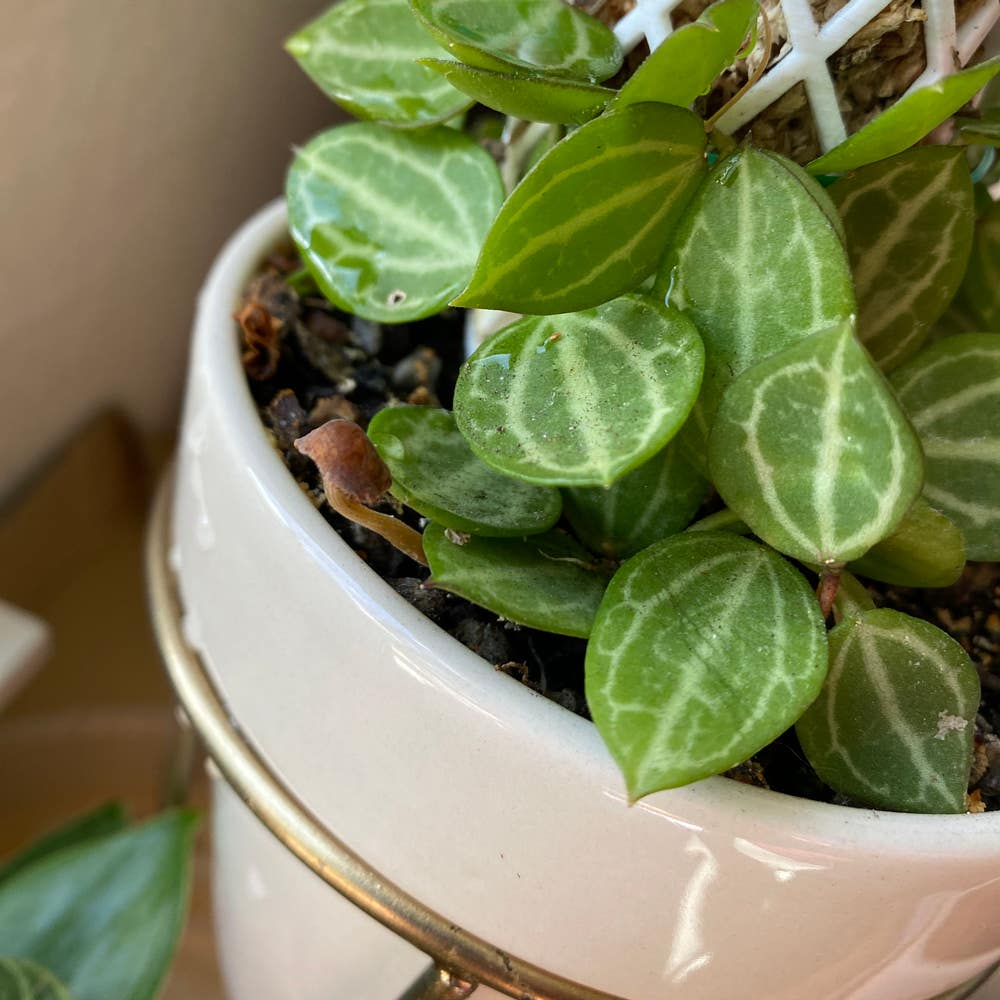
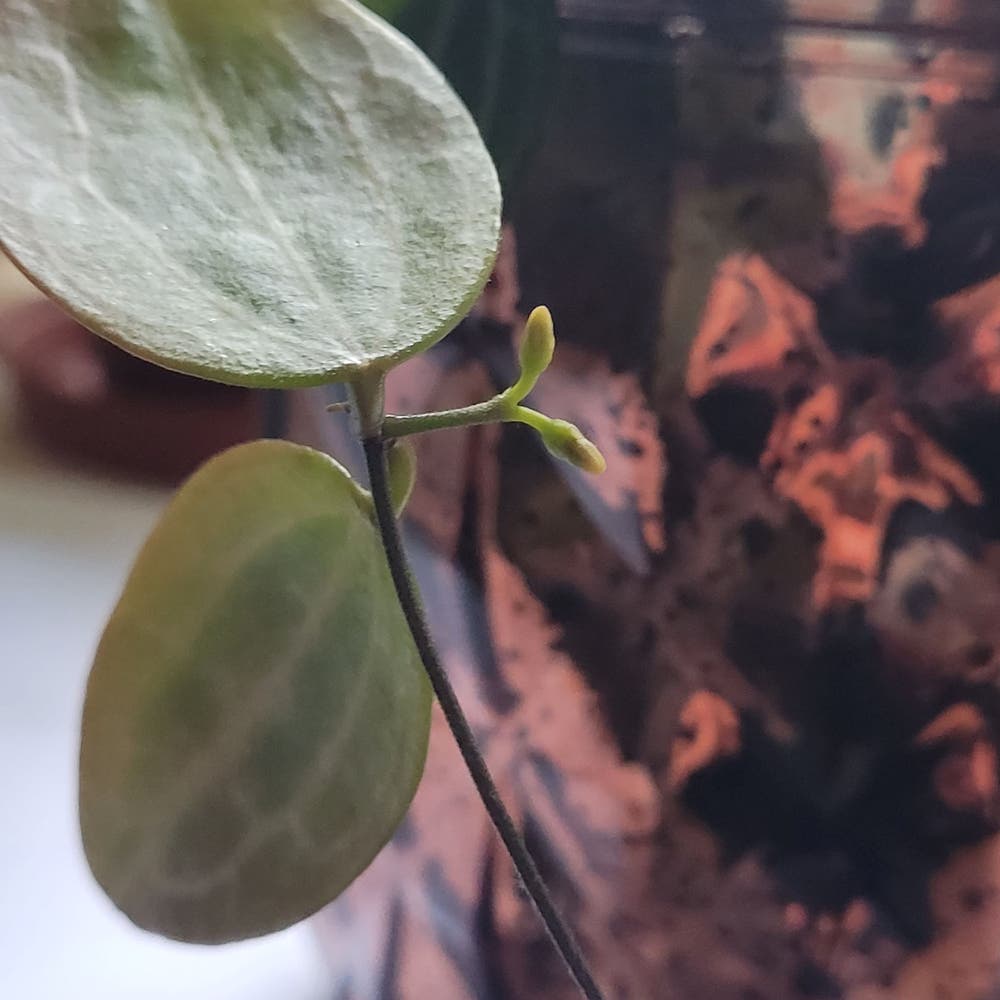
Best Ways to Protect Watermelon Dischidia from Frost ❄️
Dischidia ovata
By the Greg Editorial Team
Oct 17, 2024•5 min read
This article was created with the help of AI so we can cover more plants for you. May contain errors. See one? Report it here.
Keep your Watermelon Dischidia thriving through winter's chill with these essential care tips! 🌱❄️
- ❄️ Watermelon Dischidia thrives between 60°F to 75°F; protect from temperatures below 50°F.
- 🌱 Signs of cold stress include wilting and discoloration; monitor for these symptoms.
- 🧥 Use frost cloths and mulch to shield plants and create warmer microclimates.
How Watermelon Dischidia Responds to Cold Temperatures
🌡️ Temperature Requirements
Watermelon Dischidia thrives in a cozy temperature range of 60°F to 75°F (15°C to 24°C). When temperatures dip below 50°F (10°C), the plant can experience significant stress, leading to potential damage.
❄️ Signs of Stress from Cold Exposure
Cold exposure manifests through noticeable signs. Look out for leaf discoloration and wilting, which indicate that your plant is struggling.
Additionally, stunted growth or halted development can occur, leaving your Watermelon Dischidia in a state of dormancy.
Recognizing these symptoms early can help you take action to protect your plant from further harm.
Understanding how your Watermelon Dischidia reacts to cold is crucial for its care. This knowledge sets the stage for effective frost protection strategies, ensuring your plant remains healthy and vibrant.
Frost Protection Strategies
Best Practices for Outdoor Protection from Frost 🌨️
To keep your Watermelon Dischidia safe from frost, timing is crucial. Start by monitoring local frost dates to know when to act.
Prepare in advance of expected frost by gathering your materials. This proactive approach can save your plants from unnecessary stress.
Physical Barriers
Using frost cloths is one of the most effective methods for protection. Drape the cloth over your plants, ensuring it reaches the ground to trap warmth.
Secure the cloth with weights or stakes to prevent it from blowing away. This simple step can make a significant difference in shielding your plants from cold winds.
Creating microclimates can also help. Use mulch or other materials around your plants to retain heat and create a more stable environment.
Indoor Winter Care Options 🏠
If frost threatens, consider transitioning your Watermelon Dischidia indoors. This move can provide a controlled environment that keeps your plants thriving.
Aim for ideal indoor conditions: bright light, high humidity, and temperatures between 60°F to 75°F. These factors are essential for maintaining plant health during the colder months.
Acclimatization Process
Acclimatizing your plants to indoor conditions is vital to prevent shock. Gradually introduce them to the new environment over a few days.
This gentle transition helps your Watermelon Dischidia adjust without suffering from stress. With the right care, your plants will flourish even in winter.
As you protect your plants from frost, remember that proper watering and fertilizing adjustments will also play a key role in their winter survival.
Watering and Fertilizing Adjustments
🌨️ Adjusting Watering Schedules During Winter Dormancy
During winter dormancy, Watermelon Dischidia requires less frequent watering. Aim to water only when the top inch of soil feels dry, typically every two to three weeks.
Overwatering can lead to root rot, a common issue during this period. Watch for signs like yellowing leaves or a mushy stem, which indicate that your plant is getting too much moisture.
🌱 Techniques for Checking Soil Moisture
To ensure your plant is neither thirsty nor drowning, use a moisture meter for precise readings. Alternatively, the finger test is a simple method: just stick your finger into the soil up to your knuckle.
Both techniques help you gauge when it's time to water again, keeping your Watermelon Dischidia healthy through the winter months.
❄️ Fertilizing Needs and Schedules for Winter
During dormancy, it's best to reduce or completely eliminate fertilization. Your Watermelon Dischidia won't need the extra nutrients while it's resting.
If you choose to fertilize, opt for a diluted, balanced fertilizer to avoid overwhelming the plant. This approach helps maintain its health without pushing it into unnecessary growth.
🌼 Timing for Any Necessary Feeding
As spring approaches and temperatures rise, you can gradually resume fertilization. Start feeding again when new growth appears, typically around late March or early April.
This timing ensures your Watermelon Dischidia receives the nutrients it needs to thrive as it transitions back to active growth.
By adjusting your watering and fertilizing practices, you can help your Watermelon Dischidia survive the winter and emerge strong in the spring. Next, we'll explore how to prepare your plant for the warmer months ahead.
Spring Preparation and Recovery
🌨️ Signs of Winter Damage and Recovery Techniques
Identifying frost damage on your Watermelon Dischidia is crucial for its recovery. Look for symptoms like leaf drop, discoloration, and mushy stems, which indicate that your plant has suffered during the colder months.
To help your plant bounce back, start by pruning any damaged areas. This encourages new growth and helps the plant focus its energy on healthier parts. Additionally, providing optimal conditions—like warmth, light, and humidity—will support recovery.
🌱 Preparing Watermelon Dischidia for Spring Growth
As temperatures rise, it's time to transition your Watermelon Dischidia back outdoors. Begin with the hardening off process, which involves gradually exposing the plant to sunlight to prevent shock.
Adjust your watering and fertilizing routine as the weather warms. Increased temperatures mean your plant will need more water and nutrients to thrive, so keep an eye on its needs as spring progresses.
With these steps, your Watermelon Dischidia will be well-prepared for a vibrant growing season ahead.
Common Problems and Solutions
❄️ Identifying Frost Damage and Its Effects
Frost damage can manifest in several noticeable ways. Look out for symptoms like leaf curling, browning, and an overall decline in plant health.
These signs indicate that your Watermelon Dischidia is struggling. Long-term exposure to frost can lead to more serious issues, such as increased susceptibility to diseases and pests.
🛠️ Solutions for Common Winter-Related Issues
Preventative measures are your best defense against frost damage. Regular monitoring of weather conditions and timely interventions can save your plant from severe harm.
If you do notice frost damage, there are effective treatment options available. Recovery strategies include pruning affected areas and ensuring optimal conditions for healing. If the damage is extensive, don’t hesitate to seek professional help.
By staying vigilant and proactive, you can help your Watermelon Dischidia thrive even in challenging winter conditions. Now, let’s explore how to prepare your plant for a successful spring growth!
⚠️ Safety First
This content is for general information and may contain errors, omissions, or outdated details. It is not medical, veterinary advice, or an endorsement of therapeutic claims.
Always consult a qualified healthcare professional before using any plant as food, medicine, or supplement.
Never eat any plant (or feed one to pets) without confirming its identity with at least two trusted sources.
If you suspect poisoning, call Poison Control (800) 222-1222, the Pet Poison Helpline (800) 213-6680, or your local emergency service immediately.
Spotted an error? Please report it here.
Keep your Watermelon Dischidia frost-free ❄️ with Greg's tailored reminders and expert tips, ensuring it thrives all year round!