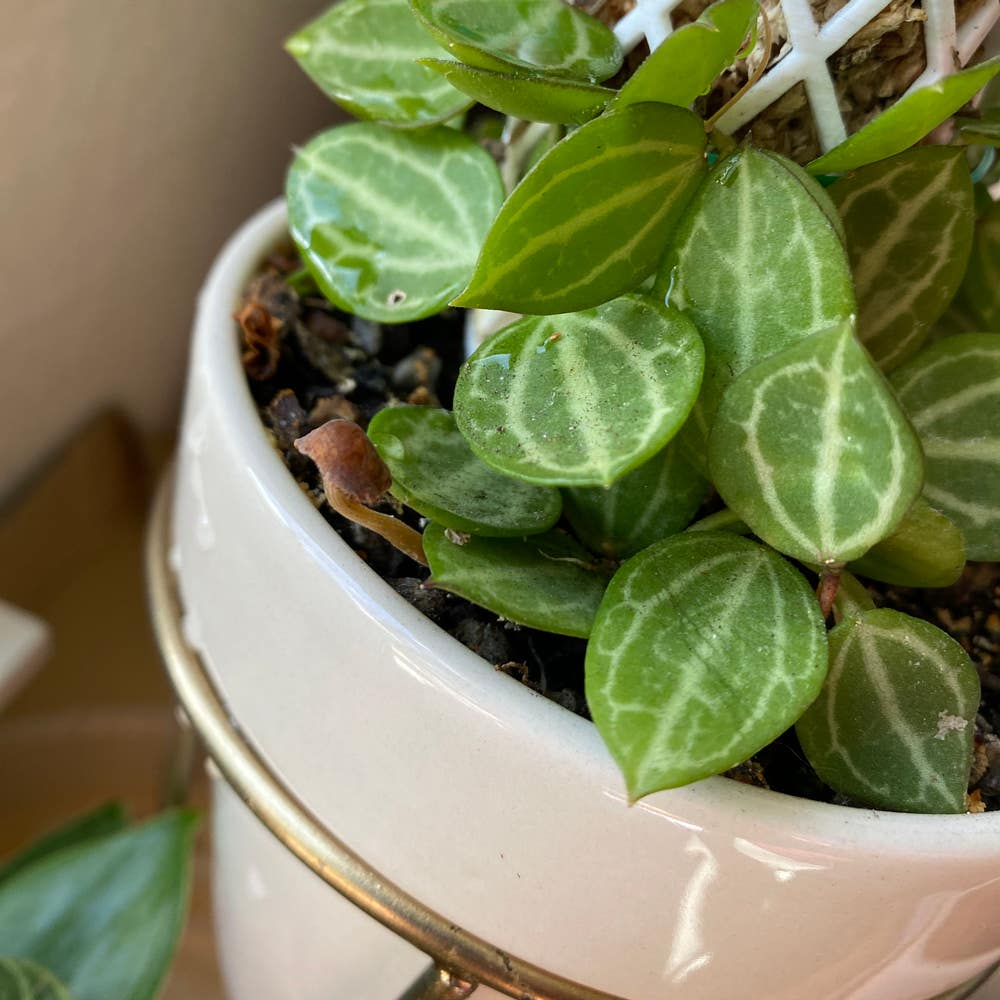
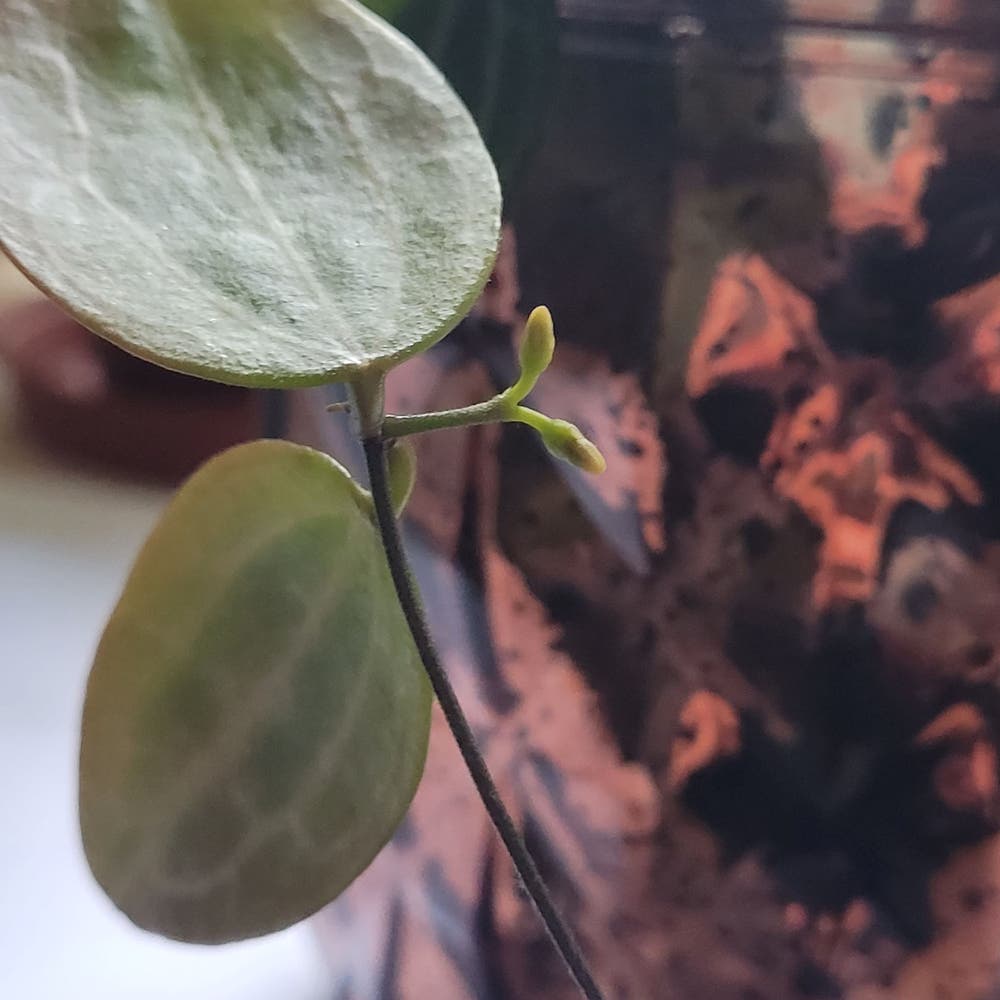
🍉 3 Secrets to Thriving Indoor Dischidia
Dischidia ovata
By the Greg Editorial Team
Oct 17, 2024•5 min read
This article was created with the help of AI so we can cover more plants for you. May contain errors. See one? Report it here.
Master the art of caring for your indoor watermelon dischidia 🌱 to create a vibrant, thriving space!
- 🌞 Bright, indirect sunlight for 6-8 hours is crucial for thriving indoor watermelon dischidia.
- 💧 Allow soil to dry between waterings to prevent yellowing leaves and mushy stems.
- 🌬️ Maintain humidity levels of 50-70% for optimal growth and health of your plant.
Light Requirements
Optimal Indoor Light Levels 🌞
To thrive, your indoor watermelon dischidia needs bright, indirect sunlight for about 6-8 hours daily. If you notice stretched growth or pale leaves, it’s a clear sign that your plant isn’t getting enough light.
Role of Grow Lights 💡
When natural light falls short, grow lights become your best friend. They effectively supplement light, especially in those dim corners of your home.
Choosing the Best Grow Light 🛠️
Selecting the right grow light involves a few key factors. Consider the light spectrum, wattage, and whether it has adjustable height features.
For small to medium plants, a wattage of 15-30 watts is generally recommended. Position your grow lights 12-24 inches above the plant to ensure optimal growth.
With the right light conditions, your watermelon dischidia will flourish, setting the stage for its watering needs.
Watering Needs
Frequency and Method 🌊
Watering your indoor watermelon Dischidia is crucial for its health. Allow the top inch of soil to dry out between waterings to prevent over-saturation.
When you do water, make sure to do it thoroughly. Water until you see excess draining from the bottom of the pot, ensuring that the roots get the moisture they need.
Signs of Overwatering and Underwatering 🚨
Recognizing the signs of overwatering is essential. Look for yellowing leaves, mushy stems, and root rot as indicators that your plant is drowning.
On the flip side, underwatering can be just as damaging. Droopy leaves, dry soil, and a shriveled appearance signal that your Dischidia is thirsty and needs immediate attention.
By keeping a close eye on your watering routine, you can help your indoor watermelon thrive. Next, let’s explore the ideal humidity and temperature conditions for optimal growth.
Humidity and Temperature
Ideal Humidity Levels 🌧️
Maintaining the right humidity is crucial for your indoor watermelon dischidia. Aim for a range of 50-70% to promote healthy growth.
To boost humidity, consider using pebble trays filled with water, investing in a humidifier, or simply grouping your plants together. These methods create a microenvironment that keeps your plant thriving.
Temperature Range for Optimal Growth 🌡️
Temperature plays a significant role in the health of your dischidia. The ideal range is between 20°C to 30°C (68°F to 86°F).
Be cautious of cold temperatures; anything below 15°C (59°F) can stress your plant. Protect it from drafts and chilly spots to ensure it remains vibrant and healthy.
With the right humidity and temperature, your indoor watermelon dischidia will flourish. Next, let’s explore the best soil and fertilization practices to keep your plant thriving.
Soil and Fertilization
Best Soil Type 🌱
For your indoor watermelon dischidia, a well-draining potting mix is essential. A blend of peat, perlite, and orchid bark works wonders, ensuring that your plant has the right balance of moisture retention and drainage.
Good drainage is crucial. It prevents root rot and promotes healthy growth, allowing your plant to thrive without the fear of soggy roots.
Fertilization Schedule and Types 🥬
Fertilizing your plant every 4-6 weeks during the growing season is key to its health. This regular feeding helps support robust growth and vibrant leaves.
When it comes to fertilizers, you have options. A balanced liquid fertilizer or slow-release granules can provide the nutrients your dischidia craves, ensuring it stays lush and green throughout its growing phase.
By following these soil and fertilization tips, you set the stage for a thriving indoor watermelon dischidia. Next, let’s explore common issues and solutions to keep your plant in top shape.
Common Issues and Solutions
🐛 Pests and Diseases
Common Pests
Indoor watermelon dischidia can attract pests like aphids, mealybugs, and spider mites. Look for signs such as sticky residue, webbing, or discolored leaves to identify an infestation early.
🛡️ Pest Prevention Strategies
Regular inspections are key. Check leaves and stems frequently to catch pests before they multiply.
- Natural deterrents: Use neem oil or insecticidal soap to keep pests at bay. These options are effective and less harmful to your plant.
🚫 Treatment Options for Infestations
If you spot pests, start with manual removal. Wipe leaves with a damp cloth to eliminate them.
- Chemical treatments: Use these as a last resort, ensuring you follow label instructions carefully to protect your plant.
🌪️ Environmental Stress
Signs of Stress
Watch for signs like leaf drop, browning edges, and stunted growth. These symptoms indicate that your plant may be struggling with its environment.
💧 Solutions for Maintaining Optimal Conditions
To combat stress, adjust light exposure by moving your plant closer to a light source or utilizing grow lights.
- Increasing humidity: Implement humidity trays or mist your plant regularly to create a more favorable atmosphere.
By staying vigilant and proactive, you can keep your indoor watermelon dischidia thriving. Next, let’s explore the best practices for placement and maintenance to ensure your plant continues to flourish.
Placement and Maintenance
Best Locations in the Home 🍉
Finding the right spot for your indoor watermelon Dischidia is crucial. Aim for areas near east or west-facing windows to maximize light exposure.
Avoid placing your plant near drafts, such as air conditioning vents or heaters, as these can disrupt its growth and overall health.
Maintaining Appearance 🌿
Pruning and Grooming Tips ✂️
Regular pruning is essential for a bushier appearance. Trim back any leggy growth to encourage a fuller look.
Grooming is equally important; remove dead or yellowing leaves to keep your plant looking its best.
How to Encourage Healthy Growth 🌱
To ensure even light exposure, rotate your plant regularly. This simple action helps all sides receive adequate light.
Keep an eye on growth patterns and adjust your care routine based on seasonal changes. This proactive approach will help your Dischidia thrive.
By following these placement and maintenance tips, you'll create an optimal environment for your indoor watermelon Dischidia. Next, let’s explore the soil and fertilization needs to further enhance its growth.
⚠️ Safety First
This content is for general information and may contain errors, omissions, or outdated details. It is not medical, veterinary advice, or an endorsement of therapeutic claims.
Always consult a qualified healthcare professional before using any plant as food, medicine, or supplement.
Never eat any plant (or feed one to pets) without confirming its identity with at least two trusted sources.
If you suspect poisoning, call Poison Control (800) 222-1222, the Pet Poison Helpline (800) 213-6680, or your local emergency service immediately.
Spotted an error? Please report it here.
Keep your indoor watermelon dischidia thriving 🌱 by using Greg for tailored care reminders and tips that ensure it gets the perfect light, humidity, and watering it craves!