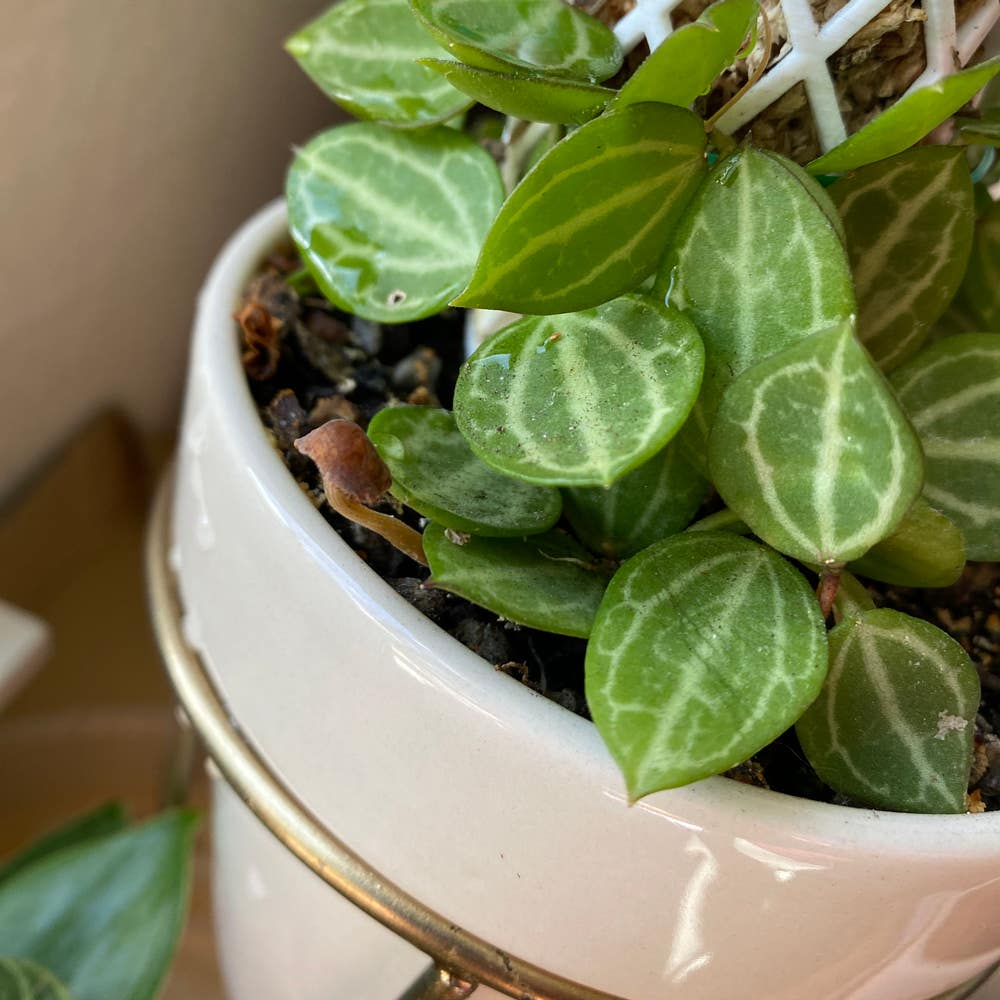
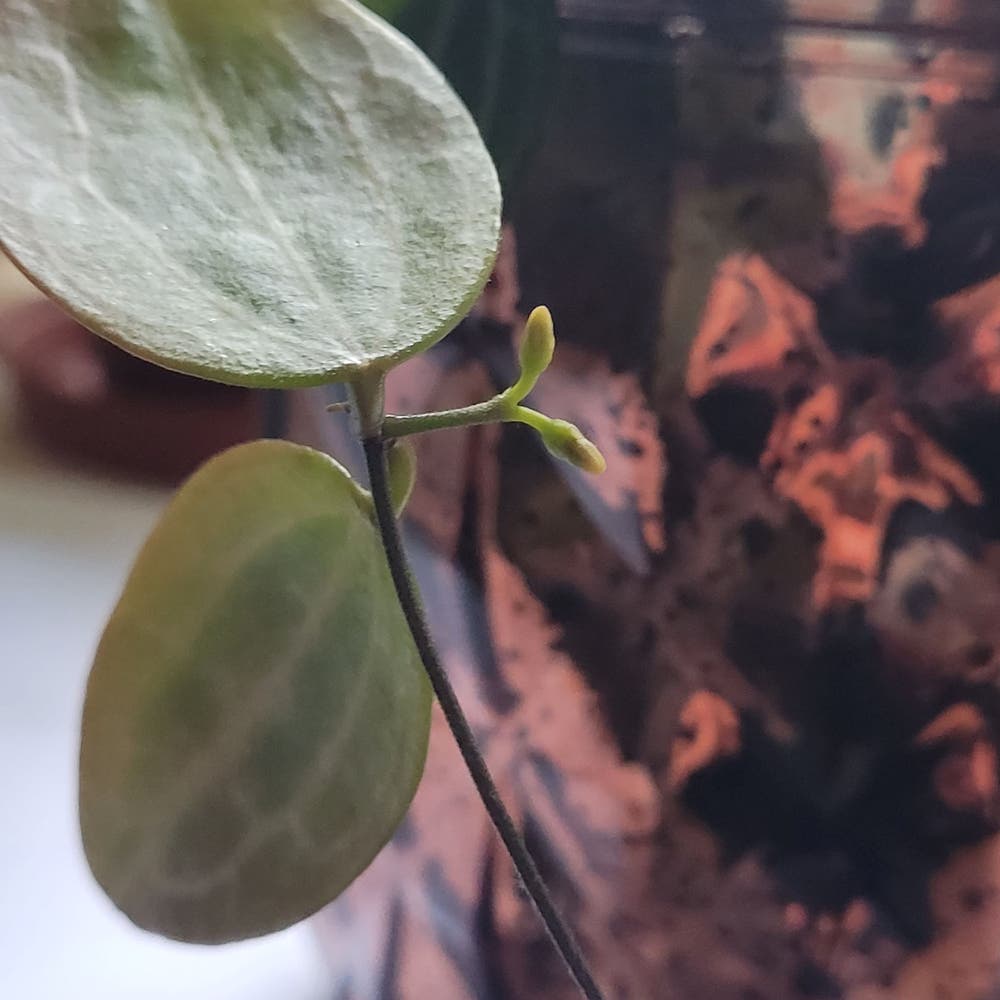
What To Do About Bugs on My Watermelon Dischidia? 🍉
Dischidia ovata
By the Greg Editorial Team
Jun 18, 2024•3 min read
This article was created with the help of AI so we can cover more plants for you. May contain errors. See one? Report it here.
Shield your Watermelon Dischidia 🍉 from bug invasions with expert tips for a pest-free paradise! 🐞
- 🕷️ Spider mites and mealybugs - spot with magnifying glass and alcohol swab.
- 🚿 Treat with showers, neem oil, alcohol, or insecticidal soap.
- 🛡️ Prevent bugs with quarantine, dry soil, airflow, and regular check-ups.
Spot the Invaders: Identifying Common Pests
🕷️ Spider Mites: The Sneaky Sap-Suckers
Webbing and leaf damage are the red flags that spider mites have invaded your Watermelon Dischidia. These tiny critters are like invisible vampires, quietly draining the life from your plant.
Use a magnifying glass to catch these pests red-handed. You'll see them scurrying about, confirming your suspicions that it's not just dust on your plant.
🦠 Scale: The Sticky Bandits
Spotting scale requires a keen eye, as they're masters of disguise. They'll be masquerading as part of your plant, but don't be fooled.
The touch test is simple: run your fingers over the stems and leaves. If you feel irregular bumps, congratulations, you've found the enemy.
🦟 Fungus Gnats and Fruit Flies: The Soil Lurkers
Adult flies and larvae give away the presence of fungus gnats and fruit flies. These pests love a good moist soil party.
Set up a water trap to see these pests in action. It's like setting a night camera to catch wildlife—except it's your plant's soil, and the wildlife is annoyingly small.
🐛 Mealybugs: The Fluffy Fiends
Mealybugs leave a whiteout on your plant, a fluffy calling card that's hard to miss. They're the fluffy white nightmares you didn't ask for.
Dabbing with alcohol on a cotton swab will not only reveal these pests but also start the eviction process. It's like shining a spotlight on stage crashers—they can't hide anymore.

The Counterattack: Treating the Bugs
🚿 Spider Mites: Wash 'Em Away!
Shower Power
Blast spider mites with a vigorous shower. This dislodges the pests and their webs, giving your Watermelon Dischidia a fresh start.
The Oil Strike
Apply neem oil mixed with a mild soap as a one-two punch. It's a natural deterrent that mites detest.
🧼 Scale: Get Scrubbing
The Alcohol Swipe
A simple alcohol wipe-down can remove scale insects. Use a cotton swab or cloth to apply directly.
Oil Bath
Drenching your plant in horticultural oil smothers scale. It's like putting a stopper in their tiny, sap-sucking snorkels.
🪰 Fungus Gnats and Fruit Flies: Trap and Drench
Sticky Business
Set up sticky traps near your plant. These will catch adults and reduce the population.
The Peroxide Mix
A hydrogen peroxide solution acts as a soil drench. It targets the larvae without harming your plant.
🐜 Mealybugs: Alcohol and Soap to the Rescue
The Cotton Swab Technique
Dabbing mealybugs with rubbing alcohol using a cotton swab is precision pest control.
Suds Up
Insecticidal soap is a mealybug's worst nightmare. Spray it on, and they'll be slipping off your plant in no time.

Fortify the Fortress: Preventative Measures
🚧 Quarantine New Recruits
Isolation isn't just for the sick; it's a must for new plants. Keep them separate for a couple of weeks to ensure they're not harboring pests. It's like a background check for your green buddies.
💨 Create Unfavorable Conditions
Dry spells make life tough for gnats. Let the soil top dry out before watering again. And airflow? Think of it as your plant's personal space—bugs hate it when it's breezy. So, crank up that fan and give your plants room to breathe.
👩⚕️ Regular Plant Check-ups
Routine inspections are like surprise audits for bugs. Look for chewed leaves or a sticky mess; these are red flags. And cleanliness? Non-negotiable. Keep the area tidy, and you'll keep the critters at bay.

⚠️ Safety First
This content is for general information and may contain errors, omissions, or outdated details. It is not medical, veterinary advice, or an endorsement of therapeutic claims.
Always consult a qualified healthcare professional before using any plant as food, medicine, or supplement.
Never eat any plant (or feed one to pets) without confirming its identity with at least two trusted sources.
If you suspect poisoning, call Poison Control (800) 222-1222, the Pet Poison Helpline (800) 213-6680, or your local emergency service immediately.
Spotted an error? Please report it here.
Eradicate pests and protect 🛡 your Watermelon Dischidia with Greg's personalized care reminders and pest treatment tips!