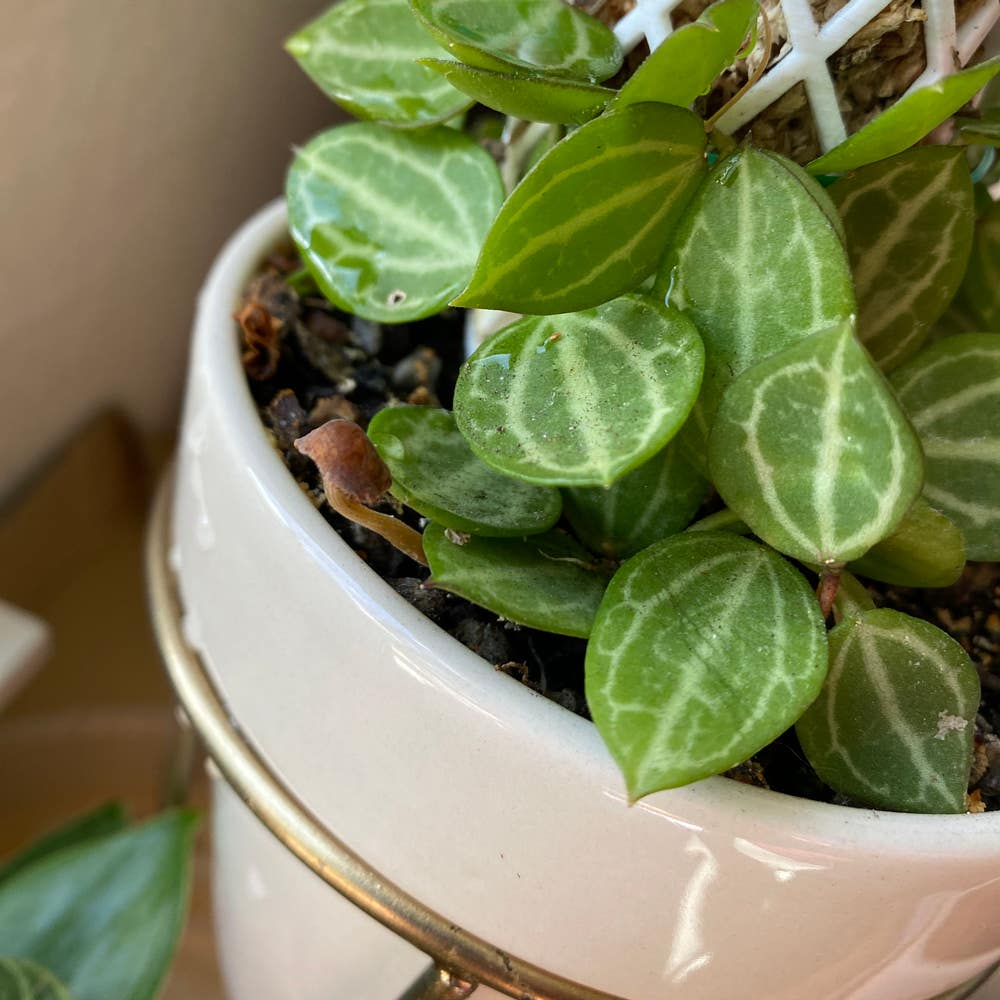
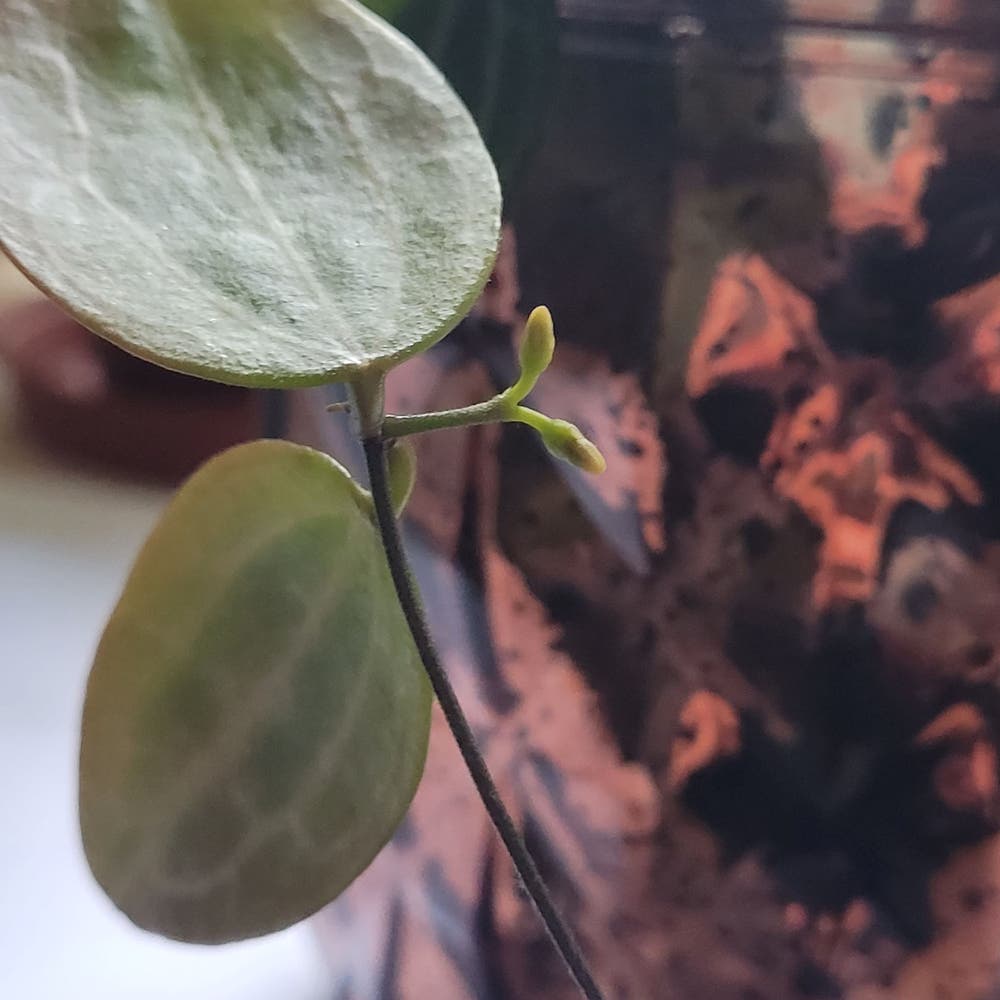
🍉 Why Are My Watermelon Dischidia Leaves Falling Over?
Dischidia ovata
By the Greg Editorial Team
Jun 18, 2024•4 min read
This article was created with the help of AI so we can cover more plants for you. May contain errors. See one? Report it here.
Stop leaf droop in its tracks 🛑 and ensure your Watermelon Dischidia thrives with expert care tips! 🌿
- Leaf droop signals distress; act quickly to prevent lasting damage.
- 🌱 Balance watering, light, and temperature to maintain leaf health.
- Consistent care and regular check-ups are key to preventing droop.
Spotting the Signs of Trouble
🚨 Recognizing Leaf Droop in Watermelon Dischidia
Leaf droop in Watermelon Dischidia is not a fashion statement; it's a cry for help. Yellowing leaves? That's the plant's version of a distress flare. If the leaves detach with the ease of a Post-it note, you're likely dealing with a watering mishap. Limp, wrinkled foliage? Your plant could be as thirsty as a desert traveler.
🕰 When to Take Action
Don't wait for your plant to write a SOS in the dirt; take action at the first sign of trouble. If your plant perks up at night but slumps by day, it's time to reassess its living conditions. Consistent drooping is your cue to shake up the care routine. Early detection is the secret sauce to plant longevity, so keep those peepers peeled.

Diagnosing the Cause of Leaf Droop
🚰 Overwatering vs. Underwatering
Leaves drooping like a disappointed parent? Underwatering might be the culprit. Crispy, curled leaves are begging for hydration. If the soil's as dry as a comedian's wit, it's time to quench that thirst. Conversely, overwatering leaves your plant's roots gasping for air. If the soil feels like a wet sponge, you've gone too far. Ease up on the water; your plant isn't training for a swim meet.
🌞 Environmental Stress Factors
Light and temperature can also throw your Watermelon Dischidia for a loop. Too much sun and your plant's leaves might droop like they're trying to escape a spotlight. Not enough light, and they'll sag from sheer boredom. Keep the temperature steady—your plant's not looking for a sauna or an ice bath experience. And don't forget the pot. A cramped pot is like skinny jeans after Thanksgiving dinner—uncomfortable. Ensure there's enough room for roots to stretch out.

Immediate Steps to Revive Droopy Leaves
💧 Adjusting Your Watering Technique
Check the soil before you water—this is your plant's way of telling you it's thirsty. If the top inch is dry, it's time to hydrate with room-temperature water. Overwatering is the silent plant killer; let the soil dry out if you've been too generous with the watering can.
🌞 Tweaking Light and Temperature
Light is like a plant's coffee—it needs just the right amount to thrive. Move your Watermelon Dischidia to a spot with bright, indirect sunlight. Avoid direct rays that could scorch its leaves. Temperature should be steady, think room temp, between 22–28°C. If your plant's near a draft or radiator, it's time to find a new spot. Too hot or too cold, and you'll see droopiness set in.
Humidity can be a game-changer. If your air's drier than a comedian's humor, consider a pebble tray or humidifier. A lukewarm shower can also give a quick humidity boost—just don't turn your plant's home into a tropical rainforest.
Remember, your Watermelon Dischidia isn't just being dramatic with droopy leaves—it's a cry for help. Adjust your watering habits, give it the right light, and keep the temperature and humidity consistent. Your plant will thank you with perky leaves.

Long-Term Strategies to Prevent Leaf Droop
💡 Perfecting Your Plant's Environment
Creating a consistent care routine is crucial for the health of your Watermelon Dischidia. This means replicating its natural habitat as closely as possible. Ensure adequate humidity and avoid temperature extremes that could stress the plant.
🛡️ Monitoring and Maintenance
Regular check-ups are key. Observe your plant's appearance and growth patterns to catch any signs of distress early. Adjust care as needed, and remember, preventive measures are better than cure. Rotate your plant periodically to promote even growth and prevent lopsidedness.
Keep an eye on the soil moisture using the finger test or a moisture meter, and water accordingly. It's like being a plant DJ, where you're constantly tweaking the knobs to maintain the perfect vibe for your green buddy.
Lastly, don't forget to prune when necessary. This not only keeps your plant looking good but also encourages healthier growth and reduces strain on the plant, preventing droopiness.
⚠️ Safety First
This content is for general information and may contain errors, omissions, or outdated details. It is not medical, veterinary advice, or an endorsement of therapeutic claims.
Always consult a qualified healthcare professional before using any plant as food, medicine, or supplement.
Never eat any plant (or feed one to pets) without confirming its identity with at least two trusted sources.
If you suspect poisoning, call Poison Control (800) 222-1222, the Pet Poison Helpline (800) 213-6680, or your local emergency service immediately.
Spotted an error? Please report it here.
Keep your Watermelon Dischidia's leaves perky and healthy 🍉 with Greg's tailored watering reminders and environmental adjustments based on your home's unique conditions.