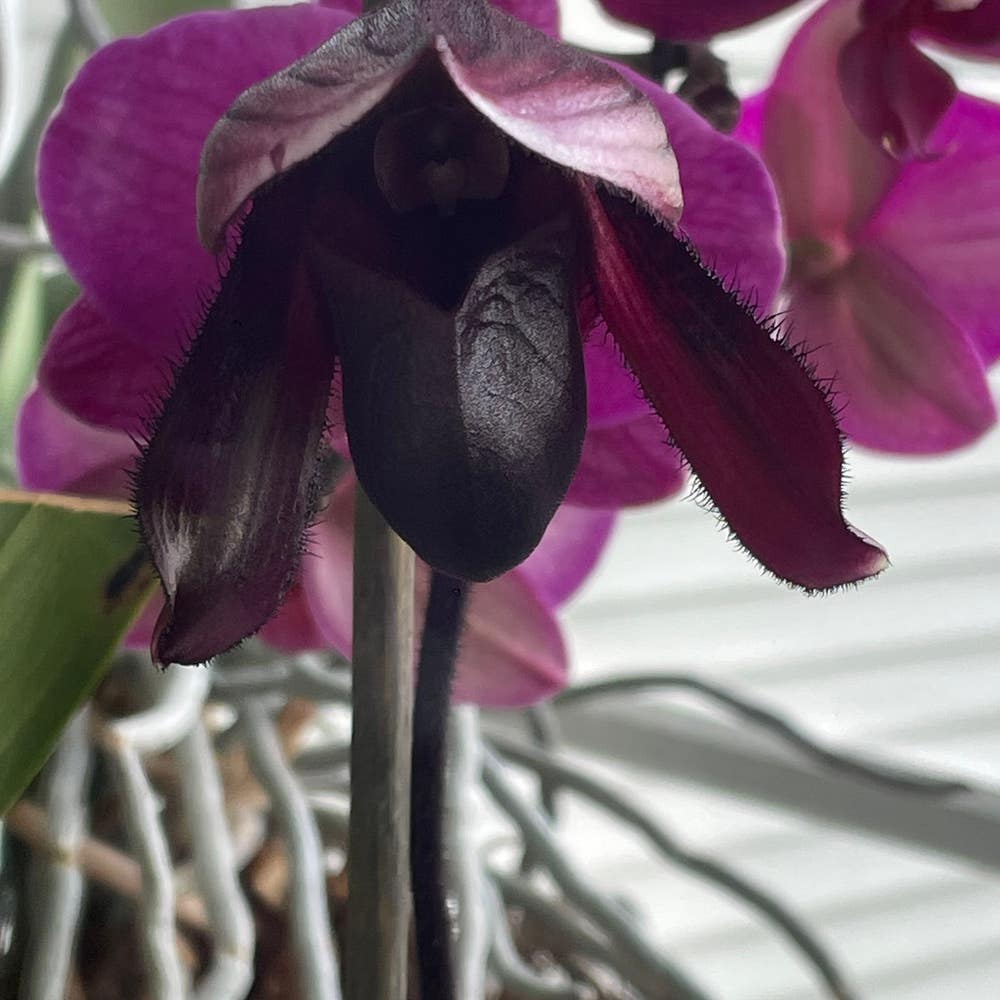
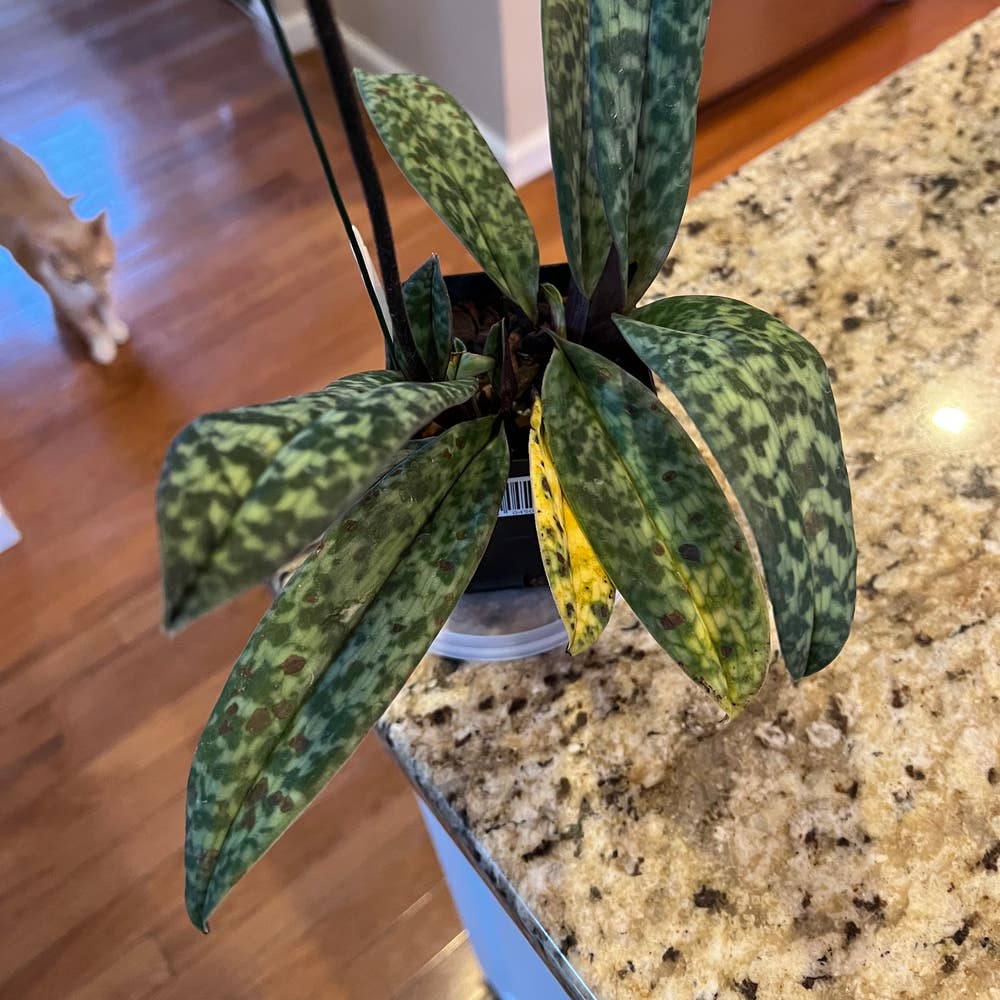
10 Ideal Locations to Plant Venus Slipper Orchid 🌺
Paphiopedilum venustum
By the Greg Editorial Team
Oct 02, 2024•4 min read
This article was created with the help of AI so we can cover more plants for you. May contain errors. See one? Report it here.
- 🌞 Venus Slipper Orchids need 50-70% shade for optimal growth and humidity.
- 🌱 Proper soil mix includes bark, sphagnum moss, and perlite for healthy roots.
- 💨 Wind protection is essential; use natural barriers to shield orchids from stress.
Sunlight Exposure
Optimal Light Conditions for Growth 🌤️
For the Venus Slipper Orchid, the ideal light levels are dappled light or filtered sunlight. Aim for an exposure of 50-70% shade to create the perfect environment for growth.
Shade vs. Direct Sunlight Preferences 🌳
Direct sunlight can be detrimental, causing leaf burn and stunted growth. In contrast, shade helps maintain humidity and prevents overheating, making it essential for the orchid's health.
Understanding these light preferences is crucial for ensuring your Venus Slipper Orchid thrives. Next, let’s explore the best soil types and conditions to support its growth.
Soil Type and Conditions
Best Soil Mixtures 🌱
To cultivate a thriving Venus Slipper Orchid, the right soil mixture is crucial. Aim for a blend that consists of 50% bark or coconut coir for aeration, 30% sphagnum moss for moisture retention, and 20% perlite for drainage.
This combination ensures that your orchid has the ideal environment to flourish. Each component plays a vital role in supporting healthy root development.
Importance of Drainage and Aeration 🚿
Proper drainage is essential to prevent root rot, which can be detrimental to your orchid's health. Look for signs of poor drainage, such as yellowing leaves and mushy roots, as these indicate that your plant is struggling.
Aeration is equally important. Good air circulation around the roots promotes growth, while compacted soil can stifle development. Keeping these factors in check will help your Venus Slipper Orchid thrive.
Understanding these soil requirements will set the stage for your orchid's success. Next, let’s explore how to choose the best location for your plant.
Proximity to Other Plants
🌱 Companion Plants
When planting your Venus Slipper Orchid, consider pairing it with ferns and other shade-loving plants. These companions thrive in similar humidity levels, creating a harmonious environment that benefits all plants involved.
Avoid aggressive growers that can overshadow or compete for resources. Choosing the right companions ensures your orchids have the best chance to flourish without unnecessary stress.
⚔️ Avoiding Competition for Nutrients and Light
To give your Venus Slipper Orchid ample room to thrive, maintain a minimum distance of 12-18 inches from other plants. This spacing allows for adequate light and nutrient access, preventing overshadowing and competition.
Assessing light availability is crucial. Ensure that your orchids receive the dappled sunlight they crave without being blocked by neighboring plants.
By carefully selecting companion plants and managing spacing, you can create a thriving ecosystem for your Venus Slipper Orchid. Next, let’s explore how to assess the best spot for planting these beautiful orchids.
Assessing the Best Spot
Evaluating Garden Layout 🌱
When planning your garden layout, consider positioning your Venus Slipper Orchid near structures that provide indirect light. This setup not only protects the plant from harsh sunlight but also enhances its growth potential.
Using raised beds or containers can significantly improve your control over soil conditions. These methods allow for better drainage and aeration, which are crucial for the health of your orchid.
Identifying Microclimates 🌤️
Recognizing microclimates in your garden is essential for optimal orchid growth. Look for areas that maintain consistent humidity and temperature, as these conditions are ideal for the Venus Slipper.
Planting near water features or shaded structures can create a beneficial microclimate. These spots often provide the humidity and protection your orchid needs to thrive, making them perfect for planting.
With the right layout and microclimate in mind, you're well on your way to creating an ideal environment for your Venus Slipper Orchid. Next, let's explore the importance of wind protection and how to shelter your plants effectively.
Wind Protection and Shelter
Importance of Wind Protection 🌬️
Wind can be a silent enemy for your Venus Slipper Orchid. Exposure to strong gusts stresses the plant, leading to reduced growth and potential damage to its delicate leaves.
Structures or Plants for Shelter 🏡
To shield your orchids from harsh winds, consider planting them near fences or walls. These structures act as effective windbreaks, creating a calmer environment.
Additionally, taller plants can serve as natural barriers. This not only protects your orchids but also enhances the overall aesthetics of your garden.
By ensuring your Venus Slipper Orchids have adequate wind protection, you set the stage for healthy growth and vibrant blooms. Next, let’s explore how to assess the best spot for planting these beautiful orchids.
⚠️ Safety First
This content is for general information and may contain errors, omissions, or outdated details. It is not medical, veterinary advice, or an endorsement of therapeutic claims.
Always consult a qualified healthcare professional before using any plant as food, medicine, or supplement.
Never eat any plant (or feed one to pets) without confirming its identity with at least two trusted sources.
If you suspect poisoning, call Poison Control (800) 222-1222, the Pet Poison Helpline (800) 213-6680, or your local emergency service immediately.
Spotted an error? Please report it here.
Create a thriving oasis for your Venus Slipper Orchid 🌿 with Greg's tailored care reminders and expert tips to ensure they flourish in their perfect spot!