What's Eating Your Venus Slipper Orchid 🐞
Paphiopedilum venustum
By the Greg Editorial Team
Oct 02, 2024•7 min read
This article was created with the help of AI so we can cover more plants for you. May contain errors. See one? Report it here.
- 🌺 Venus Slipper Orchids attract both pollinators and herbivores with their vibrant flowers.
- 🦌 Common threats include deer, rabbits, and squirrels; use deterrents like sprays and fencing.
- 🌿 Regular monitoring and proactive strategies are essential for protecting your orchids.
Description and Appeal
Appearance and Unique Features 🌺
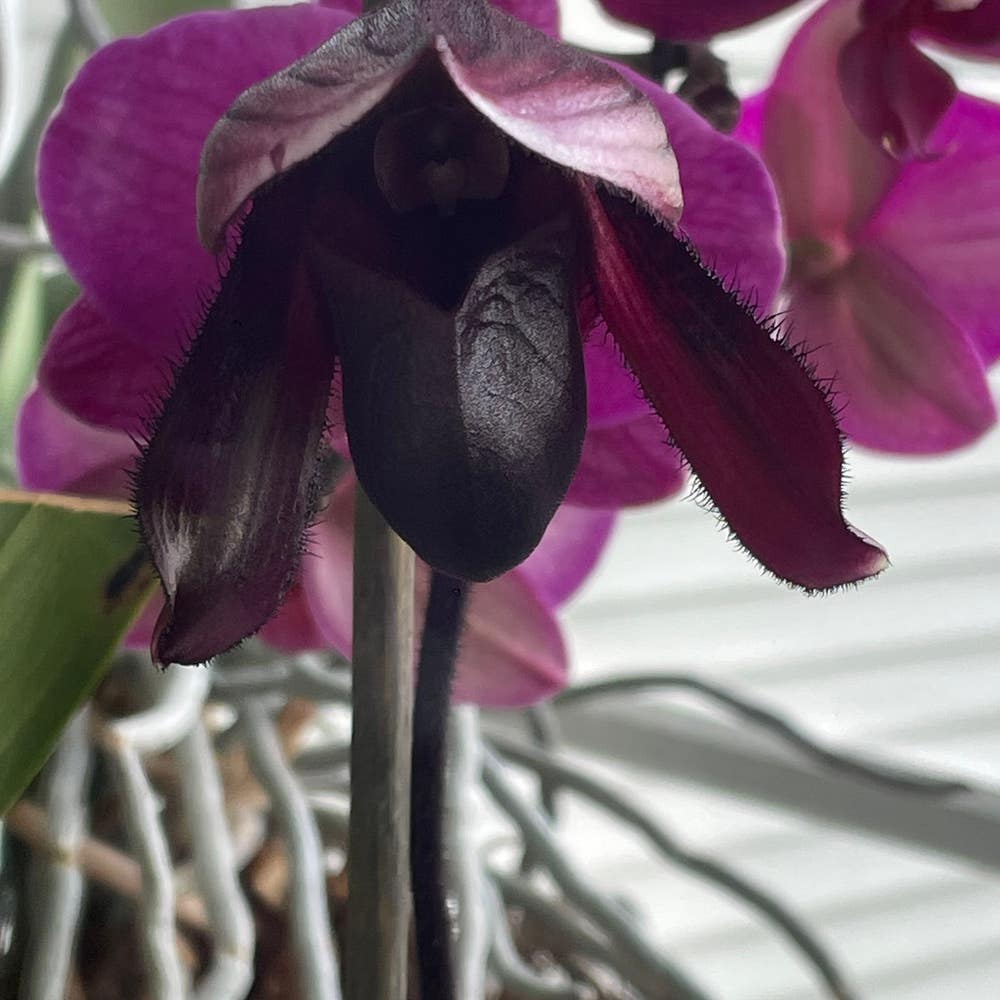
The Venus Slipper Orchid is a true marvel of nature, boasting unique slipper-shaped flowers that come in a variety of vibrant colors, including yellows, pinks, and purples. These striking blooms not only catch the eye but also serve a functional purpose, attracting pollinators with their alluring shapes and hues.
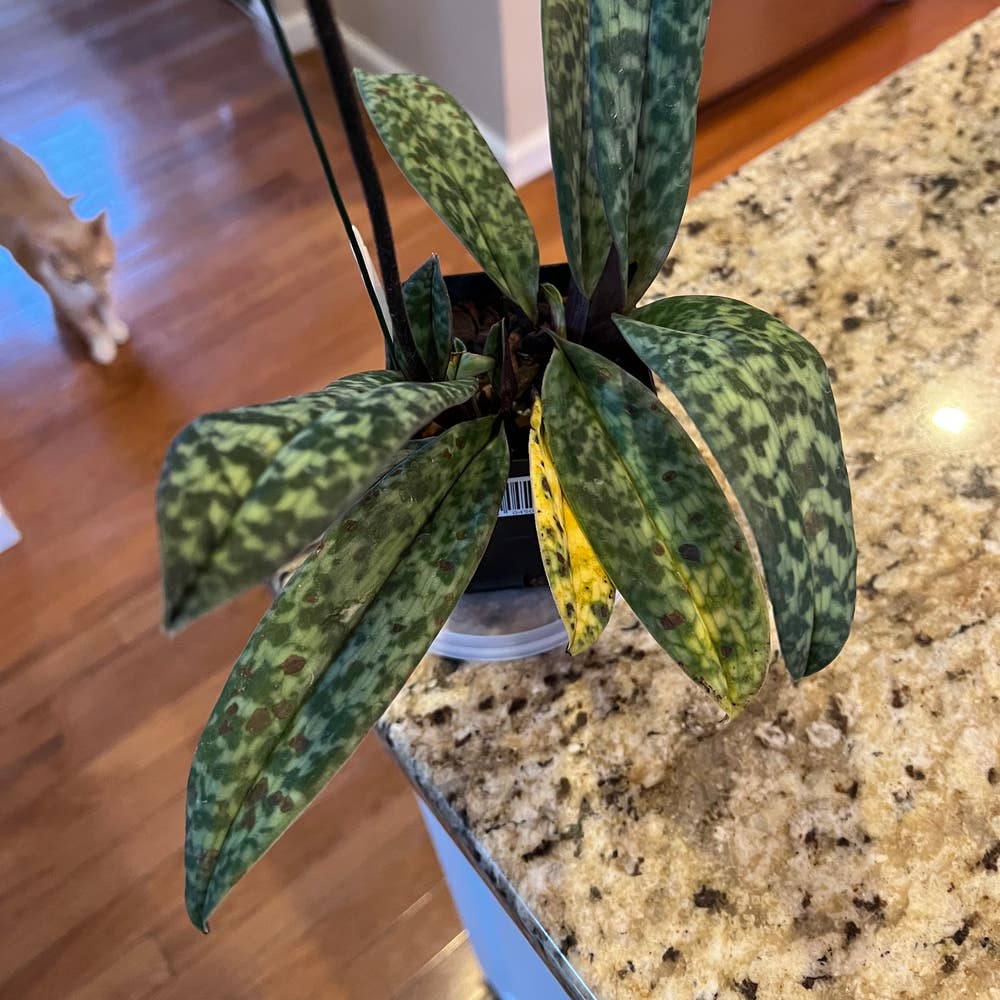
The orchid's broad, glossy leaves are equally impressive. They can grow quite large, creating a lush backdrop that enhances the plant's overall appeal. However, this attractive foliage can also draw in herbivores, making it a double-edged sword in the garden.
Typically, these orchids grow in clusters, which adds to their visual impact. This growth habit creates a dense, vibrant display that can transform any space into a mini paradise.
Most Appealing Parts to Animals 🦋
The flowers of the Venus Slipper Orchid are particularly enticing to animals, thanks to their bright colors and sweet nectar. This combination makes them a prime target for various pollinators and herbivores alike.
Fruits from the orchid are another delicacy, being tender and juicy. These fruits attract a range of herbivores, eager to indulge in their succulent offerings.
Young shoots are also soft and palatable, making them especially appealing to herbivores. This vulnerability can lead to significant damage if not managed properly, as these tender parts are often the first to be consumed.
In summary, while the Venus Slipper Orchid is a stunning addition to any garden, its beauty comes with challenges. Understanding its appeal to animals is crucial for effective management and protection.
As we explore the common herbivores that pose threats to this orchid, it’s essential to recognize the balance between beauty and vulnerability in nature.
Common Herbivores
🦌 Deer
Signs of Presence and Damage
Deer are often the most noticeable threat to your Venus slipper orchid. Look for distinct hoof prints in the soil and evidence of browsing, where leaves and flowers are nibbled or stripped.
Interaction Type
Their impact is generally harmful, as unchecked deer populations can decimate orchid numbers. Managing their presence is crucial for the health of your plants.
Deterrent Methods
To keep deer at bay, consider using chemical repellents like commercial deer deterrents. Organic options include garlic spray, human hair, or soap shavings, which can be surprisingly effective.
🐇 Rabbits
Signs of Presence and Damage
Rabbits leave behind small, round droppings near the plant, along with clean cuts on young shoots. Their feeding habits can quickly become a problem.
Interaction Type
These furry pests are generally harmful, as they can severely stunt the growth of your orchids. Their appetite can lead to significant damage if not addressed.
Deterrent Methods
For rabbits, chemical repellents like bitter-tasting sprays work well. You can also use organic deterrents such as fencing or planting rabbit-resistant plants nearby to create a barrier.
🐿️ Squirrels
Signs of Presence and Damage
Squirrels can be sneaky, often leaving disturbed soil around the base of the plant. Look for chewed leaves and flowers as signs of their nibbling.
Interaction Type
Their behavior is generally harmful, leading to significant plant damage over time. Keeping an eye on your orchids can help mitigate their impact.
Deterrent Methods
To deter squirrels, try chemical repellents like capsaicin-based sprays. Organic scare tactics, such as reflective materials or noise devices, can also help keep them away.
🐦 Birds
Signs of Presence and Damage
Birds can be both friends and foes. Look for feather remnants near the plant and pecks on flowers, indicating they’re feeding on nectar.
Interaction Type
Bird interactions are mixed; while some may pollinate, others can damage flowers. Understanding their role is key to managing your garden.
Deterrent Methods
For birds, consider using non-toxic chemical repellents. Organic options like netting or reflective tape can effectively scare them away without harming them.
🐭 Rodents
Signs of Presence and Damage
Rodents leave small tunnels near the plant, along with chewed roots and stems. Their presence can be detrimental to the health of your orchids.
Interaction Type
Rodents are generally harmful, as their feeding can lead to plant death. Monitoring for signs of their activity is essential.
Deterrent Methods
To combat rodents, use chemical repellents like rodent bait stations. Organic deterrents such as traps and encouraging natural predators like cats or owls can also be effective.
🦡 Groundhogs
Signs of Presence and Damage
Groundhogs create large burrows, leaving distinctive holes in the ground. They can cause significant damage by grazing on leaves and stems.
Interaction Type
Their impact is generally harmful, as they can devastate garden areas if left unchecked. Awareness of their presence is vital for protection.
Deterrent Methods
For groundhogs, chemical repellents like commercial deterrents can be useful. Organic solutions include fencing at least 3 feet high and motion-activated sprinklers to deter these hefty herbivores.
Understanding these common herbivores and their interactions with your Venus slipper orchid is essential for maintaining a healthy garden. With the right deterrent methods, you can protect your plants and foster a thriving ecosystem.
Beneficial Animals
Description of Beneficial Animals 🐝
When it comes to the Venus slipper orchid, not all visitors are harmful. Pollinators like bees and butterflies play a crucial role in its life cycle, ensuring vibrant blooms and healthy fruit production.
Additionally, predatory insects such as ladybugs and lacewings help keep pest populations in check. Their presence creates a natural balance, allowing the orchid to thrive.
Positive Impacts on the Ecosystem 🌍
Pollination is a game-changer for the Venus slipper orchid. It enhances fruit and seed production, leading to a more robust plant community.
Moreover, these beneficial animals contribute to biodiversity. By attracting various species, they support a balanced ecosystem, making the environment healthier and more resilient.
Incorporating these beneficial animals into your gardening practices can lead to a flourishing habitat for the Venus slipper orchid. As we explore protection strategies next, consider how these allies can help maintain the delicate balance in your garden.
Protection Strategies
🛡️ Preventive Measures
Choosing the right location for your Venus slipper orchid can make a significant difference. Planting them away from known herbivore paths minimizes the risk of damage.
Companion planting is another effective strategy. By incorporating plants that deter herbivores, you create a natural barrier that protects your orchids.
⚠️ Reactive Solutions
Regular monitoring is essential for early detection of herbivore activity. Keep an eye out for any signs of nibbling or damage.
When you notice any issues, immediate action is crucial. Implement deterrents as soon as possible to prevent further harm to your plants.
🌱 Seasonal Variations
Spring brings increased activity from herbivores as they emerge from their winter slumber. Be vigilant during this time, as your orchids may become prime targets.
In late summer, the allure of ripe fruits and flowers can attract even more herbivores. Stay proactive to safeguard your orchids during these peak times.
By understanding these protection strategies, you can create a thriving environment for your Venus slipper orchids while managing the challenges posed by herbivores. Next, we’ll explore the toxicity of these plants and their role in maintaining ecological balance.
Toxicity and Ecological Balance
💀 Toxic Effects
The Venus slipper orchid has a mild toxicity that can affect herbivores if consumed in large quantities. This natural defense mechanism helps protect the plant from being completely devoured.
⚖️ Importance of Balance
Herbivores play a crucial role in nutrient cycling and maintaining plant diversity. They help control plant populations and promote a healthy ecosystem.
🌱 Strategies for Coexistence
To foster a balanced environment, consider encouraging beneficial species while managing harmful ones. This can be achieved through practices like planting native flowers that attract pollinators and using organic deterrents for herbivores.
By understanding the delicate interplay between toxicity and herbivory, we can appreciate the complexity of our ecosystems. This awareness not only aids in the protection of the Venus slipper orchid but also enriches our gardening practices.
Next, we’ll explore effective protection strategies to safeguard these beautiful plants from herbivores.
⚠️ Safety First
This content is for general information and may contain errors, omissions, or outdated details. It is not medical, veterinary advice, or an endorsement of therapeutic claims.
Always consult a qualified healthcare professional before using any plant as food, medicine, or supplement.
Never eat any plant (or feed one to pets) without confirming its identity with at least two trusted sources.
If you suspect poisoning, call Poison Control (800) 222-1222, the Pet Poison Helpline (800) 213-6680, or your local emergency service immediately.
Spotted an error? Please report it here.
Protect your Venus Slipper Orchid from pesky herbivores with Greg's tailored care tips 🌱 that ensure your plant not only survives but thrives in its vibrant beauty!