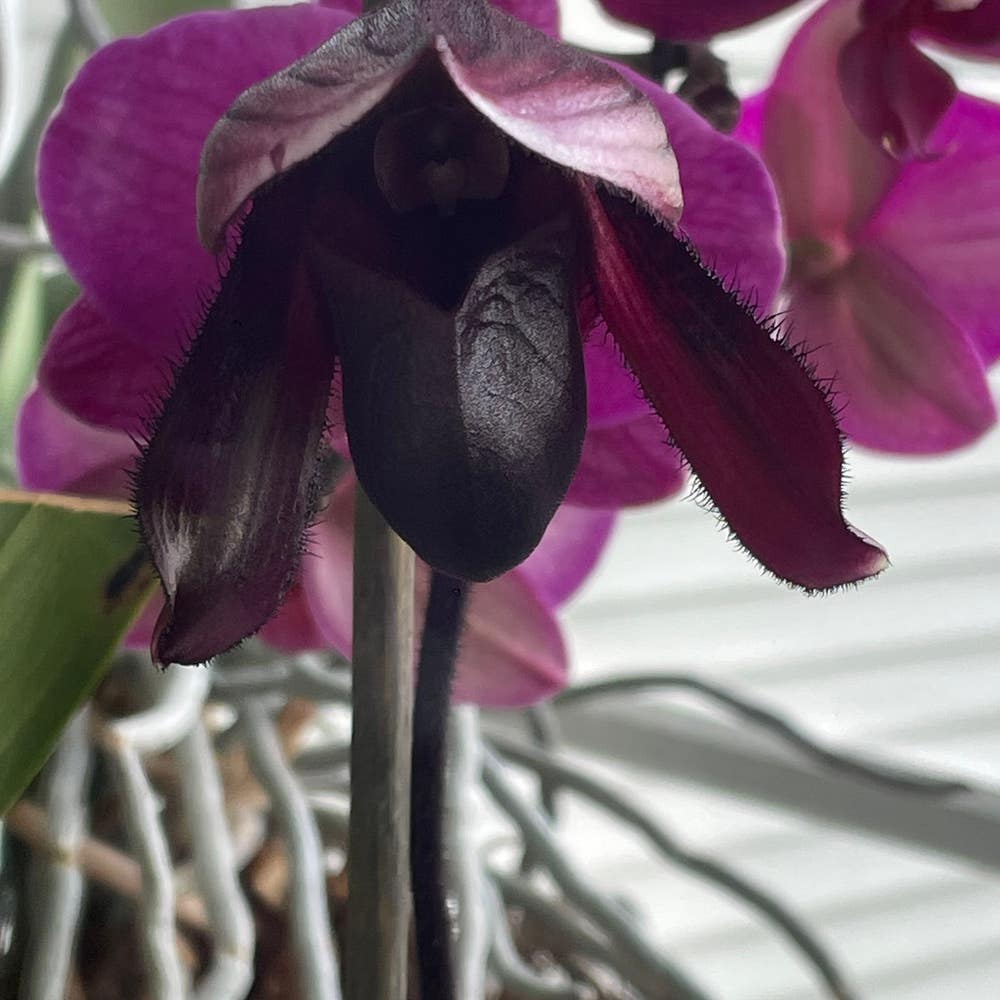
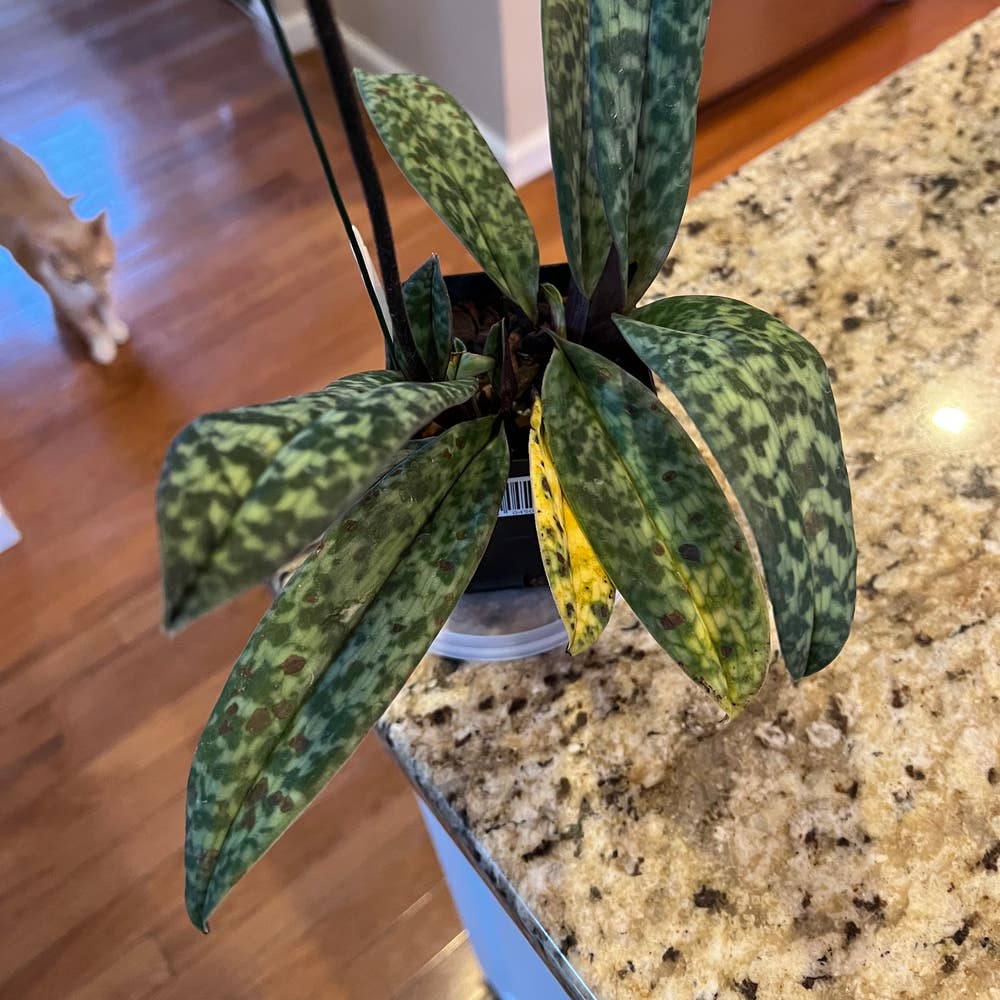
🌸 What Is The Best Way To Water a Paphiopedilum venustum?
Paphiopedilum venustum
By the Greg Editorial Team
Mar 06, 2024•5 min read
This article was created with the help of AI so we can cover more plants for you. May contain errors. See one? Report it here.
- Crispy leaves mean water me: Adjust watering with growth and seasons.
- 🌧️ Mimic natural rainfall: Use soak and drain method with room temp water.
- 🌿 Proper drainage is key: Choose terracotta pots and well-draining mix.
When to Water: Timing is Everything
💧 Reading the Leaves and Soil: The Telltale Signs
Crispy leaves and stunted growth are distress signals from your Paphiopedilum venustum. They're telling you it's time to water. If the potting mix feels dry to the touch, your orchid is ready for a drink. Conversely, if the mix is damp or the leaves are limp, hold off on watering.
🌦 Seasonal Shifts: Adapting to the Plant's Rhythms
As seasons change, so do your orchid's hydration needs. Winter may call for less watering, while summer heat can increase the frequency. Adjust your watering schedule to match the temperature and light changes throughout the year—your orchid's thirst will fluctuate with the seasons.
🌱 Growth Cycles: Tuning into Your Orchid's Needs
During leaf growth and flowering, your Paphiopedilum venustum is actively using water. Keep the hydration consistent. In the dormant phase, ease up. Like a bear in hibernation, your orchid's water needs drop. Watch for these growth cycles and water accordingly—your orchid's health depends on it.
How to Water: Techniques for Hydration Perfection
💧 The Soak and Drain Method: Mimicking Natural Rains
Soak it like a tropical storm. Water your Paphiopedilum venustum until you see a trickle escaping the drainage holes. This simulates the natural rainfall these orchids experience in their native habitat.
Drain it like you're pouring out excess coffee. Let the water flow through, ensuring the roots aren't left swimming in moisture. Overly wet roots are an open invitation to rot.
🌡️ Temperature Matters: Using the Right Water
Tepid is the sweet spot. Cold water can shock the roots, while hot water is a definite no-go. Aim for room temperature, like a comfortable bath.
Quality counts. If your tap water is a chemical cocktail, consider letting it sit to evaporate the nasties or use filtered water. Your orchid will thank you with robust growth.
🌱 Potting Medium and Pot Choice: Ensuring Proper Drainage
Choose wisely. A well-draining potting mix with perlite or vermiculite is your plant's best friend. It's like the right pair of breathable shoes for a marathon runner.
Pot selection is key. Terracotta pots offer breathability, drying out quicker than their plastic counterparts. Ensure there are drainage holes—no one likes wet feet, especially not your orchid.
Common Watering Pitfalls: Over and Underwatering Woes
🌊 Spotting Trouble: Symptoms of Water Stress
Overwatering turns your Paphiopedilum venustum's life into a soggy mess. Watch for yellowing leaves, a clear sign of distress. If the leaves are wilting or the pot feels unusually heavy, it's likely waterlogged. Root rot sneaks in when you're too generous with the watering can, leaving roots brown and mushy.
Underwatering, on the other hand, leaves your orchid gasping for moisture. The leaves become brittle, sometimes with a papery texture, and the plant's overall vigor plummets. A light pot and soil pulling away from the edges scream for hydration.
The Balancing Act: Adjusting Your Approach
Strike a balance. Your Paphiopedilum venustum isn't a camel, nor does it fancy a daily dip. Check the soil—if the top inch feels Sahara-dry, it's time to water. If it's damp, show some restraint.
Ensure proper drainage to avoid water torture. If you've been heavy-handed, let the soil dry out a bit before the next watering. Conversely, if you've neglected your watering duties, reintroduce moisture gradually to avoid shock.
Remember, your orchid's not on a strict schedule. It prefers a flexible routine, adapting to its environment. Keep an eye on the weather and your plant's cues. If you're the forgetful type, set reminders, but always do the finger test before you pour.
Advanced Tips: Elevating Your Watering Game
💦 Humidity Helpers: Trays and Misters
Creating the ideal humidity for your Paphiopedilum venustum doesn't have to be high-tech. A pebble tray is a simple yet effective method. Just fill a tray with pebbles, pour in some water, and place your orchid pot on top. The key is to keep the pot above the water to prevent root rot while evaporation does the rest.
Misting can be a quick fix for dry air, but it's a temporary solution. It's like hitting the refresh button; it feels good for a moment but doesn't last. For a more consistent humidity level, consider a humidifier. Just make sure it doesn't turn into a non-stop moisture marathon that never hits the humidity sweet spot.
🌱 Going Semi-Hydro: Is It Right for Your Paphiopedilum venustum?
Semi-hydroponics might sound like a leap into the future, but it's a viable option for your orchid. It involves using an inorganic medium like LECA (Lightweight Expanded Clay Aggregate) that wicks moisture up to the roots. This method can offer a consistent level of hydration and can be a game-changer if you're not always around to water.
However, it's not a set-it-and-forget-it system. You'll need to monitor the water reservoir to ensure it doesn't run dry or become a swamp. Think of it as your plant's personal hydration butler, serving up water on demand, but you still need to keep an eye on the supply.
⚠️ Safety First
This content is for general information and may contain errors, omissions, or outdated details. It is not medical, veterinary advice, or an endorsement of therapeutic claims.
Always consult a qualified healthcare professional before using any plant as food, medicine, or supplement.
Never eat any plant (or feed one to pets) without confirming its identity with at least two trusted sources.
If you suspect poisoning, call Poison Control (800) 222-1222, the Pet Poison Helpline (800) 213-6680, or your local emergency service immediately.
Spotted an error? Please report it here.
Keep your Paphiopedilum venustum flourishing 🌸 with Greg's adaptive watering reminders, tailored to your orchid's needs and your unique home environment.