How Do I Fix Paphiopedilum Venustum Root Rot?
Paphiopedilum venustum
By the Greg Editorial Team
Mar 06, 2024•6 min read
This article was created with the help of AI so we can cover more plants for you. May contain errors. See one? Report it here.
- Yellow leaves and foul odor signal root rot in Paphiopedilum venustum.
- Overwatering and poor drainage are prime culprits for root rot.
- Proper potting, humidity, and airflow prevent future root rot issues.
Spotting the Trouble: Identifying Root Rot in Your Orchid
🚨 Visual Red Flags
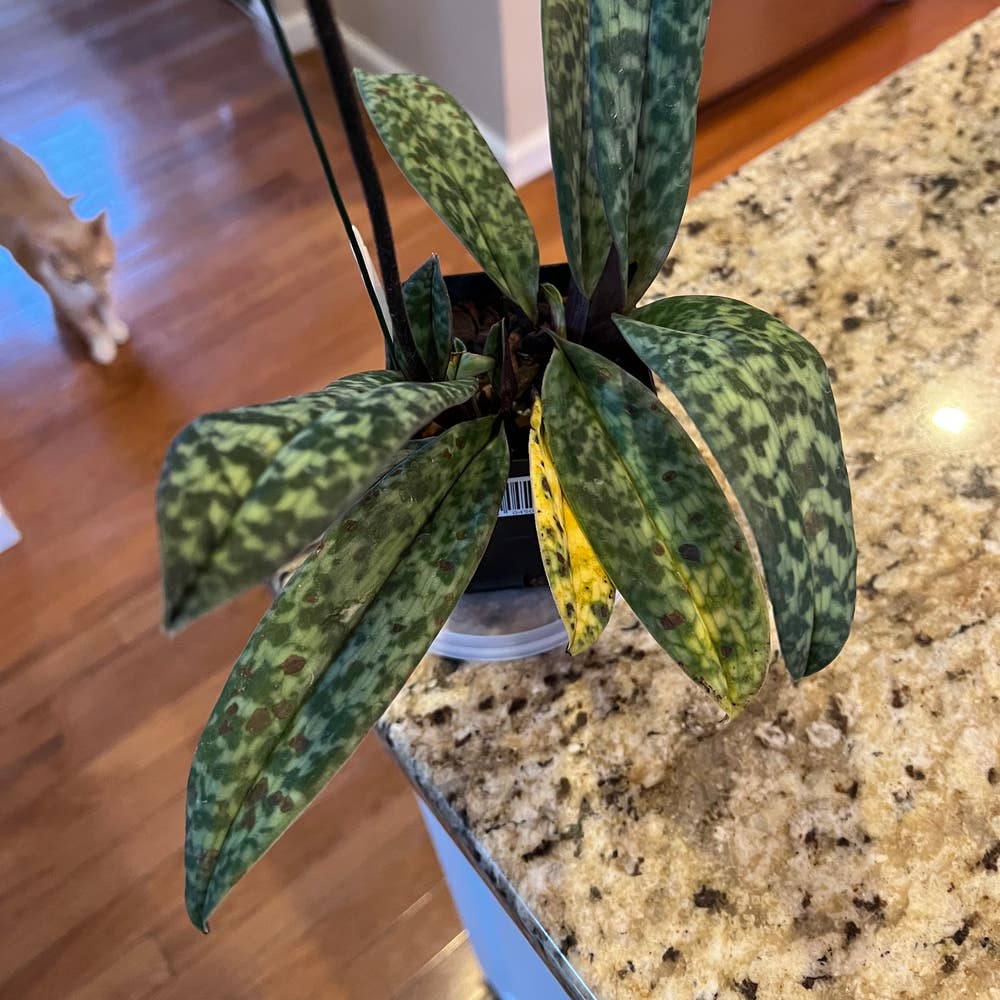
Yellowing leaves and wilting are the orchid's version of an SOS. These symptoms are not just aesthetic issues; they're serious distress signals.
👃 Sniff Test and Touch Tactics
A foul odor from the potting mix is like a red alert siren for root rot. Get hands-on and feel the roots; if they crumble like a stale cookie, it's time for urgent care.
🕵️ Beyond the Obvious
Don't just eye the leaves; new growth should also be vibrant and healthy. A persistent yellow or brown tinge here spells trouble.
🌱 The Root of the Matter
Healthy roots are firm and white, but if they're mushy and discolored, you've got a problem.
🏺 Pot Check
Make sure the pot isn't a tight squeeze. A rootbound condition can worsen root rot issues.
👃 Stench and Sensibility
If the sniff test reveals a stench of decay, consider it confirmation that root rot is present.
🖐️ Touch and Go
When roots feel as mushy as overripe fruit, it's a clear sign they're not the picture of health.
💨 Airflow and Humidity
Keep an eye on humidity and airflow; they're not just climate chatter, they're critical to root health.
🌦️ Seasonal Adjustments
Remember, your orchid's watering needs change with the seasons. More in summer, less in winter.
🚑 Early Action
Act quickly at the first sign of trouble; early detection can save your orchid from a soggy demise.
Getting to the Root of the Problem: Causes of Root Rot
💧 Overwatering and Poor Drainage
Overwatering is the prime suspect in the case of root rot. Orchids are not aquatic plants; they can't swim and certainly can't breathe underwater. When their roots are submerged in too much H2O, they begin to decay. It's a classic case of too much love leading to an untimely demise.
The roots of your Paphiopedilum venustum should feel like a firm handshake, not a soggy sponge. If the potting medium is constantly wet, you're in trouble. Drainage is as crucial as a lifeboat on a sinking ship. Without it, water has nowhere to go, and roots are left to drown in still water.
🍄 Fungal Foes
Fungi are the unseen enemies, lurking in overly moist environments, ready to attack weakened roots. They're like the opportunistic pickpockets of the plant world, taking advantage of vulnerable roots. Pathogens such as Pythium and Phytophthora can turn a thriving orchid into a wilting one if given the chance.
Preventing these fungal foes starts with creating an environment that's more desert oasis than swamp. Ensure your potting mix is airy and fast-draining. Think of it as setting up a good defense against the invisible invaders that crave decay.
Orchid ER: Treating Root Rot in Paphiopedilum venustum
When your Paphiopedilum venustum falls victim to root rot, it's time for some orchid triage.
🏥 Surgical Precision
Sterilize your scissors or shears before you start—the fate of your orchid's roots is in your hands. Gently remove the plant from its pot, being mindful not to cause further damage. Healthy roots are firm and green; anything dark, mushy, or deflated needs to go. Make clean cuts to remove the rotten parts, and dispose of them properly to avoid spreading any infection.
🌿 Aftercare: Fungicides and Home Remedies
Once the surgery is complete, it's time for aftercare. Fungicides can be a plant-saver, but choose wisely. Skip the old wives' tales and stick to tried-and-true treatments. Dust the remaining healthy roots with a light touch of sulfur or cinnamon to ward off further fungal attacks. Repot your orchid in fresh, sterile potting mix, and keep the watering conservative as your plant recovers.
Water Wisely: Adjusting Your Watering Habits
🌱 Finding the Sweet Spot
Watering your Paphiopedilum venustum is less about sticking to a strict schedule and more about observing its unique needs. Tailoring your watering routine requires a keen eye and a responsive touch.
- Check the soil before watering; if the top inch feels dry, it's time to hydrate.
- Weigh your pot; a heavier feel indicates excess moisture, while a lighter one suggests it's time to water.
- Seasonal changes matter; water more in the growth-friendly summer and reduce in the dormant winter.
🚰 Techniques for Thirsty Orchids
Keeping your orchid's thirst quenched without overdoing it is a delicate dance. Here are some tips to ensure you don't step on any toes:
- Morning watering sets your orchid up for success, allowing time for excess moisture to evaporate.
- Room-temperature water is best to avoid shocking the roots.
- Soak and dry: Water thoroughly, then let the potting mix dry out between sessions.
- Self-watering pots can be a boon for those who struggle with consistency, but they're not suitable for all orchid types.
- Airflow is crucial; a gentle fan can help prevent heat stress and over-saturation.
- Observe your orchid's response post-watering; a happy plant will show signs of vitality.
Fortifying Your Flower: Preventing Future Root Rot
🌱 The Right Home: Potting Medium and Drainage
Selecting the optimal potting mix and container is crucial for preventing root rot in Paphiopedilum venustum. A well-draining mix, perhaps one that includes perlite or vermiculite, ensures excess water doesn't linger around the roots.
Drainage holes in pots are non-negotiable; they're the escape route for unwanted water. A pot that's too large can be a silent killer, holding more moisture than your orchid needs. Conversely, a snug fit might seem cozy but can restrict root growth and lead to water retention. Aim for a Goldilocks pot size—just right.
🌿 Creating the Ideal Environment
Humidity, air flow, and temperature form the trifecta for orchid health. Stable humidity levels prevent the damp conditions that root rot loves. Good air circulation is like a breath of fresh air for your orchid's roots, discouraging pathogens from settling in.
Temperature control is like setting the thermostat for success—too cold, and water won't evaporate; too warm, and you might cook your plant's roots. Rotate your pots occasionally; this not only promotes even growth but also prevents moisture from pooling in one spot. Remember, cleanliness is next to godliness, especially in plant care—debris and standing water are like a welcome sign for root rot. Keep it tidy.
⚠️ Safety First
This content is for general information and may contain errors, omissions, or outdated details. It is not medical, veterinary advice, or an endorsement of therapeutic claims.
Always consult a qualified healthcare professional before using any plant as food, medicine, or supplement.
Never eat any plant (or feed one to pets) without confirming its identity with at least two trusted sources.
If you suspect poisoning, call Poison Control (800) 222-1222, the Pet Poison Helpline (800) 213-6680, or your local emergency service immediately.
Spotted an error? Please report it here.
Nurse your paphiopedilum venustum back to health and prevent future root rot 🌸 with Greg's tailored watering reminders and soil moisture tracking.