🌸 Ultimate Guide to Companion Plants for Venus Slipper Orchid
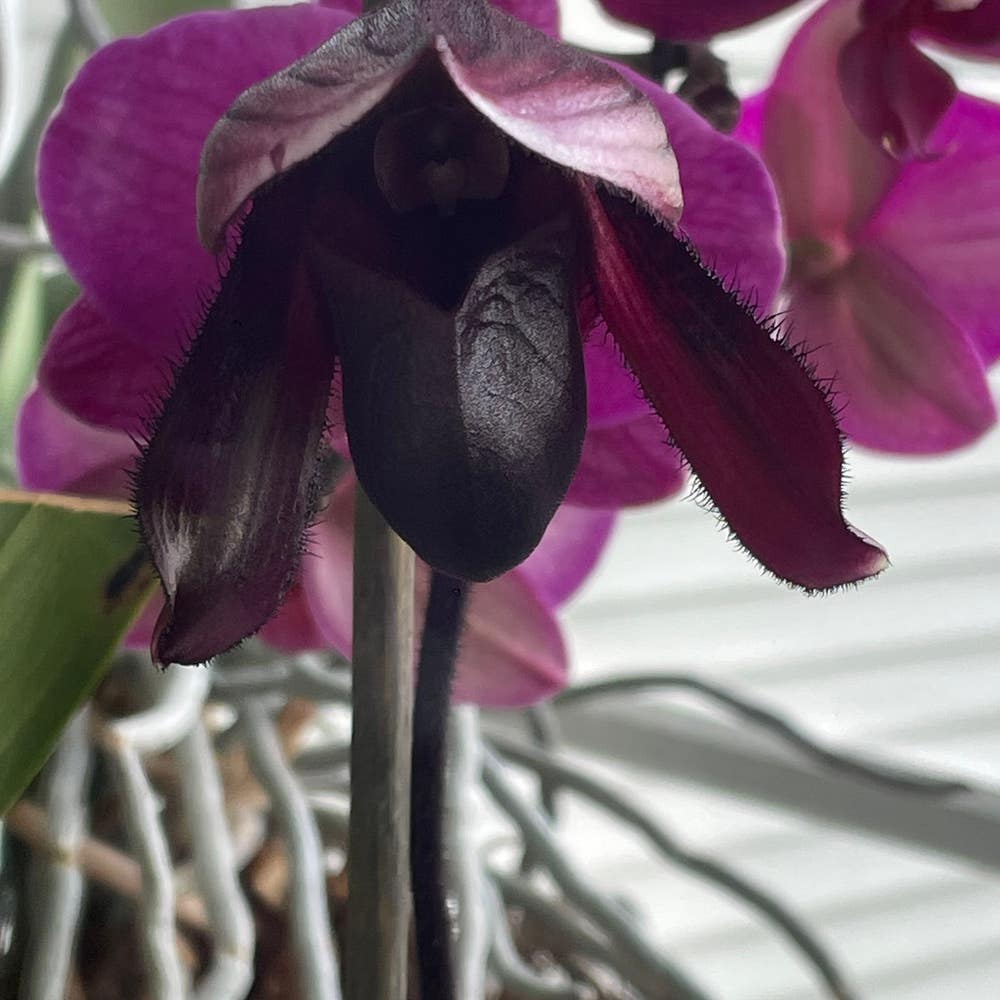
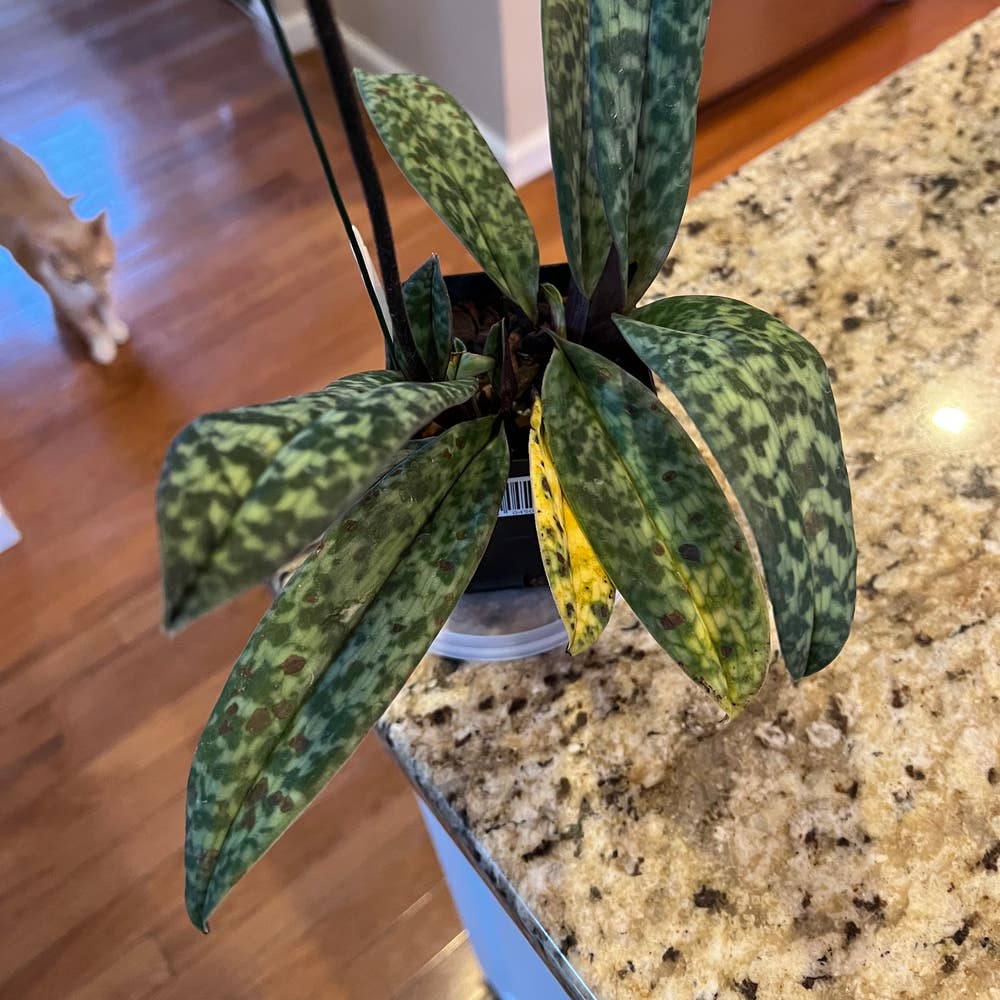
Paphiopedilum venustum
By the Greg Editorial Team
Oct 02, 2024•4 min read
This article was created with the help of AI so we can cover more plants for you. May contain errors. See one? Report it here.
- 🌿 Ferns and native wildflowers thrive with Venus Slipper Orchids, enhancing beauty and moisture retention.
- 🌱 Avoid aggressive weeds like clover to protect your orchids from resource competition.
- 🐞 Companion planting reduces pests naturally, promoting a healthier garden ecosystem for orchids.
Best Companion Plants
🌿 Ferns
Ferns are the perfect companions for Venus Slipper Orchids. These shade-loving, moisture-retentive plants help maintain humidity levels, creating an ideal microclimate for your orchid.
🌼 Native Wildflowers
Native wildflowers thrive in the same acidic, well-drained soils as Venus Slipper Orchids. They not only beautify your garden but also attract pollinators, enhancing the overall health of your orchid.
🍃 Hostas
Hostas are excellent ground cover plants that reduce weed competition. They share similar moisture and shade requirements, making them a harmonious addition to your orchid's environment.
🫐 Blueberries
Blueberries prefer acidic soil, aligning perfectly with the needs of Venus Slipper Orchids. Their root systems aerate the soil, benefiting both plants and promoting healthy growth.
🤝 Why These Plants Thrive Together
These companion plants share essential environmental preferences, such as shade and moisture. Additionally, they provide mutual benefits in pest management and pollination, creating a thriving ecosystem in your garden.
By choosing these companions, you not only enhance the beauty of your garden but also support the health and vitality of your Venus Slipper Orchid. Next, let’s explore which plants to avoid to ensure your orchid flourishes.
Plants to Avoid
Unsuitable Companion Plants 🌱
When choosing companions for your Venus Slipper Orchid, it's crucial to steer clear of certain aggressive weeds, like clover. These plants can quickly take over, competing for resources and choking out your delicate orchid.
Additionally, avoid plants with high nutrient demands, such as corn. They can deplete the soil of essential nutrients that your orchid needs to thrive.
Reasons for Incompatibility ❌
One major reason for incompatibility is differing care needs. While your Venus Slipper Orchid prefers shade and specific moisture levels, other plants may require full sun or drier conditions, leading to stress for your orchid.
Moreover, some plants attract pests that can harm your orchid. Keeping a close eye on what you plant alongside your orchid can help maintain a healthy garden ecosystem.
By understanding which plants to avoid, you can create a thriving environment for your Venus Slipper Orchid. This knowledge sets the stage for exploring the visual appeal and diversity that companion planting can bring to your garden.
Visual Appeal and Garden Diversity
Enhancing Aesthetics 🌼
Creating layers of foliage and color can transform your garden into a visual masterpiece. By incorporating plants of varying heights and textures, you can achieve a dynamic landscape that captivates the eye.
Seasonal interest is another key benefit of companion planting. Different blooming times among your chosen companions ensure that your garden remains vibrant throughout the year.
Importance of Diversity 🌍
Biodiversity is essential for a thriving garden. It supports various pollinators and beneficial insects, which are crucial for the health of your Venus Slipper Orchid.
Moreover, a diverse plant palette enhances resilience against pests and diseases. This variety creates a balanced ecosystem, making your garden less susceptible to infestations and promoting overall plant health.
Incorporating these principles not only beautifies your space but also fosters a thriving environment for all its inhabitants. As you explore companion planting, remember that each choice contributes to a richer, more resilient garden ecosystem.
Pest Management Strategies
🛡️ Role in Pest Management
Companion planting is a game-changer for pest management. By incorporating natural deterrents, you can significantly reduce your reliance on chemical pesticides.
Creating a balanced ecosystem is key. This approach not only helps in managing pests but also attracts beneficial insects that can keep your garden thriving.
🌼 Specific Pest-Repellent Properties
Ferns and native wildflowers are champions in repelling common pests. Their natural properties can deter unwanted visitors, making them excellent companions for your Venus Slipper Orchid.
Hostas also play a vital role. They attract beneficial insects that prey on pests, creating a natural balance that supports your orchid's health.
By understanding these dynamics, you can cultivate a thriving garden that minimizes pest issues while enhancing the beauty of your plants.
Encouragement to Experiment
Companion planting offers a treasure trove of benefits for your Venus Slipper Orchid. By selecting the right companions, you can enhance growth, attract pollinators, and create a thriving garden ecosystem.
Don't hesitate to explore different combinations of plants. Documenting your experiences can lead to surprising discoveries and improved gardening success.
Experimenting with ferns, native wildflowers, hostas, and blueberries can yield delightful results. Each plant contributes uniquely to the garden, enriching the environment for your orchid.
Remember, gardening is as much about learning as it is about growing. Embrace the process, and let your curiosity guide you to new plant pairings that work harmoniously together.
As you venture into companion planting, keep an open mind. The interactions between plants can reveal insights that transform your gardening approach, leading to a more vibrant and resilient garden.
⚠️ Safety First
This content is for general information and may contain errors, omissions, or outdated details. It is not medical, veterinary advice, or an endorsement of therapeutic claims.
Always consult a qualified healthcare professional before using any plant as food, medicine, or supplement.
Never eat any plant (or feed one to pets) without confirming its identity with at least two trusted sources.
If you suspect poisoning, call Poison Control (800) 222-1222, the Pet Poison Helpline (800) 213-6680, or your local emergency service immediately.
Spotted an error? Please report it here.
Create a thriving ecosystem for your Venus Slipper Orchid by pairing it with ferns and wildflowers, and let Greg guide you with tailored care reminders and plant insights to ensure your garden flourishes! 🌱