Top 8 Signs Your Venus Slipper Orchid Needs Pollination 🐝
Paphiopedilum venustum
By the Greg Editorial Team
Oct 02, 2024•6 min read
This article was created with the help of AI so we can cover more plants for you. May contain errors. See one? Report it here.
- 🌸 Venus Slipper Orchids attract pollinators like bees and butterflies with vibrant colors and scents.
- 🤝 Self-pollination ensures seed production, while cross-pollination boosts genetic diversity and resilience.
- 🌱 Hand pollination can enhance success when natural pollinators are scarce; timing is crucial!
Flower Structure
Description of Components 🌸
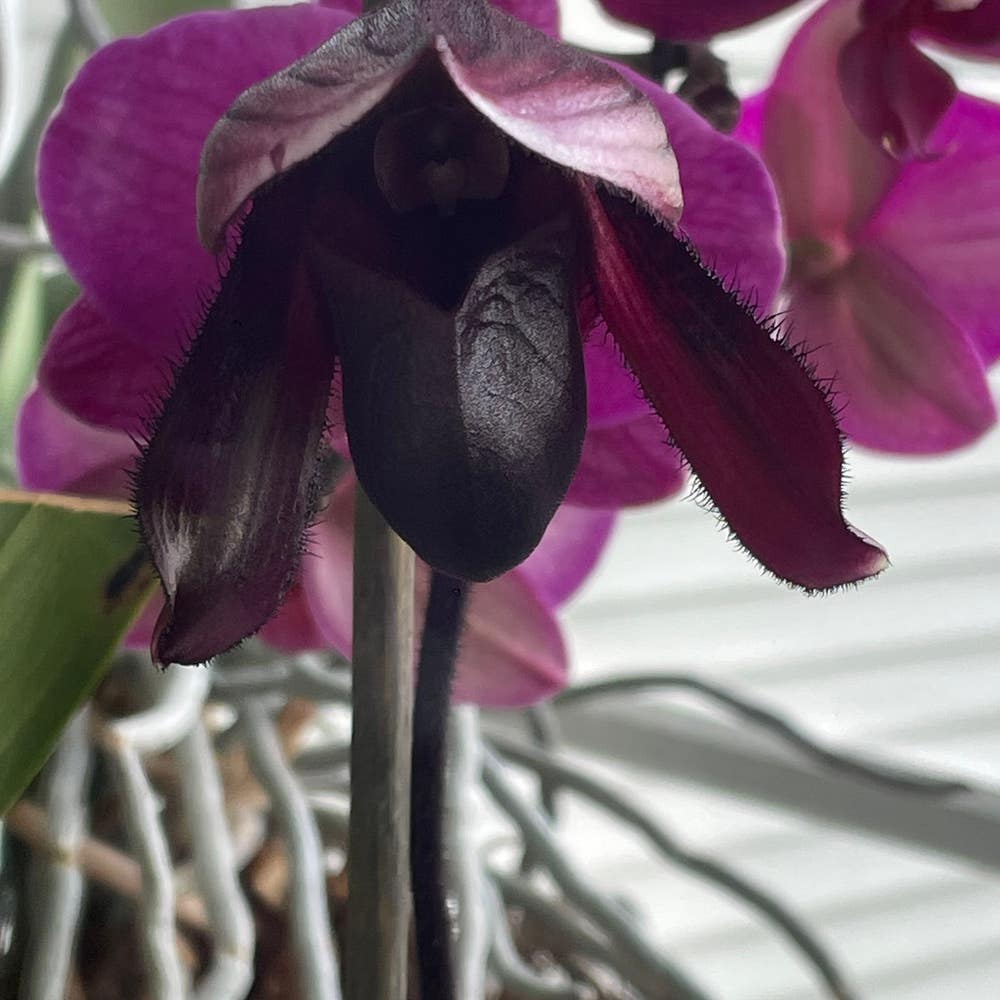
The Venus Slipper Orchid boasts unique petals that are often broad and intricately shaped. Their vibrant colors can range from creamy whites to deep purples, creating a stunning visual display.
Sepals play a crucial role in the flower's structure, providing support and enhancing its aesthetic appeal. They often mimic the petals in color and shape, contributing to the overall allure of the orchid.
Stamens are essential for pollen production, acting as the male reproductive organs. They release pollen, which is vital for fertilization and seed development.
Pistils, the female parts of the flower, are equally important. They house the ovary, where seeds develop after successful pollination, ensuring the continuation of the species.
Role in Pollination 🐝
Pollination in the Venus Slipper Orchid can occur through self-pollination or cross-pollination. The flower's structure facilitates these processes, allowing it to adapt to various environmental conditions.
The slipper shape of the flower is particularly enticing to specific pollinator species. This unique design not only attracts them but also guides them toward the reproductive parts, enhancing the chances of successful pollination.
Understanding these components and their roles is crucial for appreciating how the Venus Slipper Orchid thrives in its environment. As we delve deeper into the pollination process, we’ll explore how these flowers interact with their pollinators.
Pollination Process
Self-Pollination 🌱
The Venus Slipper Orchid has a fascinating ability to self-pollinate. This process allows the plant to produce seeds without needing another orchid, ensuring its survival in less-than-ideal conditions.
Self-pollination can enhance plant health by promoting genetic stability. It also boosts seed production, which is crucial for the continuation of the species.
Cross-Pollination 🌼
Cross-pollination introduces genetic diversity, making the orchid more resilient. Several key pollinators play a vital role in this process.
Primary Pollinator Species
- Bees: These busy insects are attracted to the flower's structure and play a crucial role in transferring pollen.
- Butterflies: Their interaction with the vibrant colors and sweet scents of the flowers makes them effective pollinators.
- Moths: Active at night, moths are drawn to the orchid's fragrance, facilitating nighttime pollination.
- Hummingbirds: Their affinity for specific flower shapes and nectar makes them important for cross-pollination.
Attraction Mechanisms for Pollinators 🐝
Pollinators are lured by various mechanisms that enhance the chances of successful pollination.
Scent Production 🌸
The orchid emits enticing scents that attract pollinators from afar. This olfactory cue is essential for drawing in the right species.
Visual Cues 🎨
Color patterns and unique shapes of the flowers serve as visual signals. These features help specific pollinators identify the orchid as a food source, ensuring effective pollen transfer.
Understanding these processes not only highlights the intricate relationships between orchids and their pollinators but also sets the stage for exploring natural pollination mechanisms.
Natural Pollination
🌼 Pollen Transfer Mechanisms
Pollen transfer in the Venus Slipper Orchid is a fascinating process. Pollen grains are released from the anthers and must reach the stigmas for fertilization to occur.
Pollinators play a crucial role in this transfer. As they visit flowers for nectar, they inadvertently carry pollen from one bloom to another, facilitating genetic diversity through cross-pollination.
🐝 Importance of Pollination
Pollination significantly impacts orchid reproduction. Successful pollination leads to seed formation, ensuring the continuation of the species.
Moreover, it contributes to genetic diversity, enhancing the resilience of the orchid population. This diversity is vital for adapting to environmental changes and challenges.
Understanding these processes not only deepens our appreciation for these unique plants but also highlights the importance of protecting their pollinators. As we move forward, let’s explore the challenges these orchids face in their quest for successful pollination.
Hand Pollination Techniques
Hand pollination can be a rewarding process for your Venus Slipper Orchid. It ensures successful fertilization, especially when natural pollinators are scarce.
Step 1: Identifying Male and Female Flower Parts 🌸
Start by distinguishing between the male and female components of the flower. The stamens, which produce pollen, are typically slender and elongated, while the pistils, responsible for seed development, are usually thicker and centrally located.
Step 2: Collecting Pollen 🧹
For collecting pollen, you'll need simple tools like tweezers or a small brush. The best time to gather pollen is in the morning when flowers are fully open and pollen is most abundant.
Step 3: Transferring Pollen 🚀
Once you have collected the pollen, it's time to transfer it to the stigma. Gently apply the pollen to the stigma using your tool, ensuring good contact for successful fertilization.
Step 4: Timing for Successful Fertilization ⏰
Timing is crucial for effective hand pollination. Aim to perform this task during optimal conditions, such as when humidity levels are moderate and temperatures are stable, to enhance the chances of success.
Hand pollination not only boosts your orchid's reproductive success but also deepens your connection with these fascinating plants. With these techniques, you're well on your way to nurturing healthy, vibrant orchids.
Next, let’s explore the common challenges you might face during the pollination process.
Pollination Challenges
Common Obstacles 🌪️
Pollination can be tricky for Venus Slipper Orchids due to various environmental factors. Temperature plays a crucial role; ideally, it should be between 70°F and 85°F for optimal pollination success.
Humidity is equally important. Maintaining moisture levels helps create a conducive environment for pollinators and ensures the health of the orchid.
Another significant challenge is the lack of pollinators. Factors like habitat loss and pesticide use can reduce pollinator activity, making it harder for orchids to reproduce.
Solutions 💡
To enhance pollination success, consider adjusting environmental conditions. Creating a stable microclimate can help attract pollinators and improve overall plant health.
When natural pollination isn't feasible, hand pollination becomes a valuable technique. This method ensures that pollen reaches the stigma, increasing the chances of successful fertilization.
Seasonal Variations 🍂
Seasonal changes significantly affect pollination timing and success. For instance, spring often brings a surge in pollinator activity, aligning with the flowering of many orchids.
Climate also influences pollinator behavior. Warmer temperatures can lead to earlier blooming, while extreme weather may disrupt the delicate balance of pollination cycles. Understanding these dynamics can help you better care for your Venus Slipper Orchid.
As you navigate these challenges, remember that patience and observation are key. With the right strategies, you can foster a thriving environment for your orchids and their pollinators.
⚠️ Safety First
This content is for general information and may contain errors, omissions, or outdated details. It is not medical, veterinary advice, or an endorsement of therapeutic claims.
Always consult a qualified healthcare professional before using any plant as food, medicine, or supplement.
Never eat any plant (or feed one to pets) without confirming its identity with at least two trusted sources.
If you suspect poisoning, call Poison Control (800) 222-1222, the Pet Poison Helpline (800) 213-6680, or your local emergency service immediately.
Spotted an error? Please report it here.
Boost your Venus Slipper Orchid's pollination success 🌼 with Greg's tailored care tips and reminders, ensuring your garden flourishes with vibrant blooms!