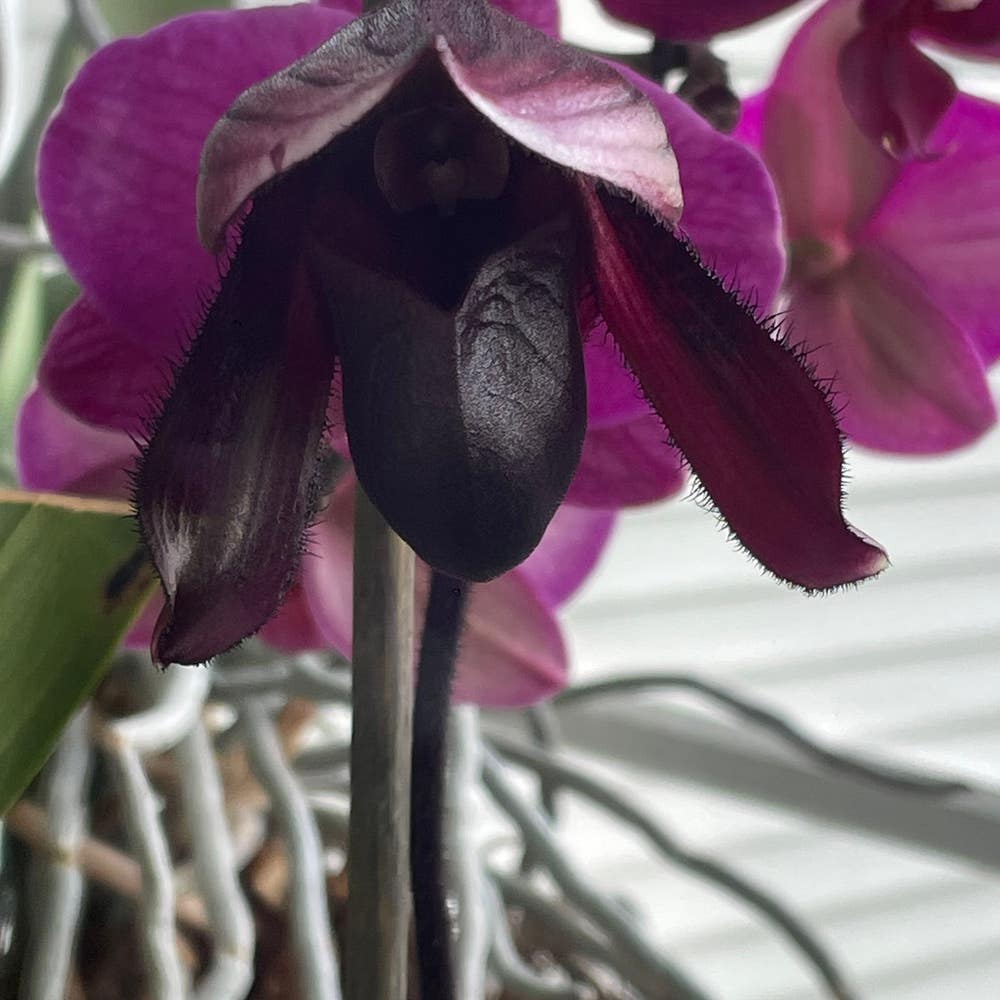
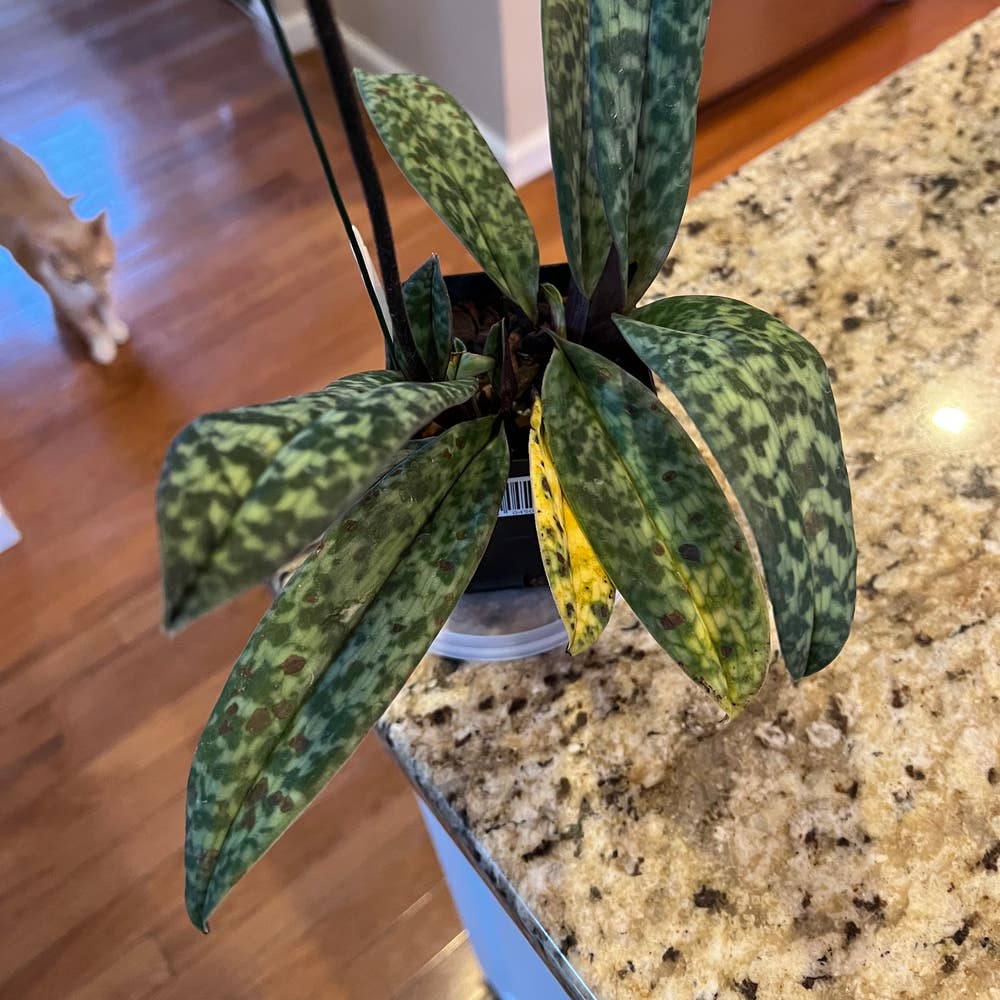
🌸 What Does It Mean When Paphiopedilum venustum Blooms?
Paphiopedilum venustum
By the Greg Editorial Team
Mar 06, 2024•4 min read
This article was created with the help of AI so we can cover more plants for you. May contain errors. See one? Report it here.
- 🌱 Signs of new growth indicate impending Paphiopedilum venustum blooms.
- 💡🌡️ Optimize light and temperature for successful blooming seasons.
- 🚿 Water wisely and fertilize to encourage and sustain flowers.
When to Expect the Spectacle: Blooming Cycle of Paphiopedilum venustum
💐 Recognizing the Signs of an Upcoming Bloom
New growth is the prelude to the Paphiopedilum venustum's blooming phase. Look for a spike or cephalum, a protective structure that hints at the floral display to come. Leaf changes, such as color shifts or texture variations, are also telltale signs that your orchid is gearing up for its big moment.
🌸 Typical Blooming Season
Paphiopedilum venustum typically struts its stuff in early spring, though it's not unheard of to witness a fall or winter bloom. Under ideal conditions, expect this botanical spectacle to grace you with its presence once or twice a year. Remember, the blooming cycle is a reward for your attentive care, so when those flowers unfurl, it's a pat on the back for your green thumb.
Creating the Perfect Bloom-Inducing Environment
💡 Light: The Energy Behind the Blooms
Bright, indirect light is the secret sauce for Paphiopedilum venustum blooms. It's like flipping the switch that tells your orchid, "Hey, it's showtime."
Adjusting light exposure is key as seasons change. In winter, consider grow lights to compensate for the sun's shyness. Come summer, a sheer curtain can save your plant from the harshness of direct rays.
🌡️ Temperature and Humidity: The Balancing Act
The ideal temperature for your Paphiopedilum venustum to strut its stuff is a daytime range of 74 to 85°F (23 to 29°C) and a cooler night vibe around 62 to 67°F (17 to 19°C).
Humidity needs to hit that sweet spot—think cozy, not swampy. Aim for levels that encourage flowers without turning your plant's home into a mold party. A pebble tray or humidifier can be your best buds here.
Feeding Your Paphiopedilum venustum for Fabulous Flowers
💐 The Role of Fertilizers in Flower Development
Fertilizer is your Paphiopedilum venustum's ticket to a show-stopping bloom. Opt for a high-nitrogen mix during periods of active growth to fuel those lush leaves. As summer hits its stride, switch gears to a high-phosphorus fertilizer to kickstart the flowering process and toughen up new growth for the chilly months ahead.
Remember, less is more. Stick to 1/10-1/4 of the recommended dose weekly to avoid the dreaded over-fertilization fiasco. It's like a weekly pep talk rather than a daily lecture; your orchid will thank you with flowers.
💧 Watering Wisely During the Bloom Cycle
Watering is a balancing act. Your Paphiopedilum venustum craves frequent and abundant watering, but despises soggy feet. Ensure excess water drains freely to dodge root rot. Let the substrate dry out between waterings—think of it as the plant's breathing space.
If you're second-guessing your watering rhythm, lift the pot. A lighter feel signals it's time for a drink. And after watering, pamper your orchid by dabbing away excess moisture from the leaves with a napkin—because no one likes a damp collar. Keep an eye out for signs of over or under-watering, such as limp leaves or dry patches. It's about giving your plant a cozy raincoat, not throwing it into the pool.
Troubleshooting Common Blooming Challenges
🌷 Bud Blast: When Buds Fail to Open
Bud blast is the heartache of seeing your Paphiopedilum venustum's buds wither before they open. It's often a sign of environmental stress. To prevent this, maintain a consistent environment; avoid drastic changes in temperature, light, and watering. If you've recently moved your plant, give it time to adjust before expecting a full display.
🌿 Environmental Stressors to Watch Out For
Keep an eye on humidity levels and air circulation. Too much moisture can invite fungal issues like botrytis blight, while poor air flow stifles your orchid's breath. And remember, sudden cold snaps are like uninvited guests at a party—they can ruin the mood, or in this case, the buds.
💧 Dealing with Premature Wilting or Lack of Blooms
If your orchid's flowers wilt prematurely or it's not blooming at all, scrutinize your watering habits. Overwatering can drown roots, while underwatering leaves your plant parched. Both are bloom blockers. Also, assess your fertilization routine; too much can push leaves over flowers.
🥀 Addressing Common Causes of Wilting
Wilting can signal the end of a bloom cycle, but it can also be a cry for help. Check for pest infestations like thrips, which can sabotage buds and blooms. Ensure your water quality is up to par—poor water can lead to poor flowers.
🌸 Steps to Take if Your Orchid Isn't Blooming
No blooms? It's detective time. Start with the basics: lighting and temperature. Too little light equals no energy for blooms, while extreme temperatures stress your plant out. If your orchid is living in a cave or a desert, it's time to find that sweet spot. And don't forget to tap into the community wisdom—other orchid enthusiasts can offer invaluable insights tailored to your specific conditions.
⚠️ Safety First
This content is for general information and may contain errors, omissions, or outdated details. It is not medical, veterinary advice, or an endorsement of therapeutic claims.
Always consult a qualified healthcare professional before using any plant as food, medicine, or supplement.
Never eat any plant (or feed one to pets) without confirming its identity with at least two trusted sources.
If you suspect poisoning, call Poison Control (800) 222-1222, the Pet Poison Helpline (800) 213-6680, or your local emergency service immediately.
Spotted an error? Please report it here.
Bloom with confidence 🌸 as Greg's custom care reminders ensure your Paphiopedilum venustum dazzles every season.