🌸 Why Venus Slipper Orchid Is A Perennial Plant
Paphiopedilum venustum
By the Greg Editorial Team
Oct 01, 2024•5 min read
This article was created with the help of AI so we can cover more plants for you. May contain errors. See one? Report it here.
- 🌱 Venus Slipper Orchid thrives for 20+ years, offering long-term beauty in gardens.
- 🌼 Blooms annually for weeks, making it a highly anticipated event for gardeners.
- 🌿 Low-maintenance perennial reduces replanting needs, perfect for busy gardeners.
Characteristics of Venus Slipper Orchid as a Perennial
Multi-Year Lifecycle 🌱
The Venus Slipper Orchid boasts a fascinating multi-year lifecycle. It begins with germination, progresses through growth, reaches flowering, and eventually enters a dormancy phase.
Typically, the journey from germination to flowering takes about two to three years. This timeline allows the plant to establish itself before showcasing its stunning blooms.
Growth Patterns and Regrowth from Roots 🌿
During its vegetative growth phase, the Venus Slipper Orchid expands and develops lush foliage. This growth is crucial for photosynthesis and overall health.
Each season, the orchid utilizes its robust root system to regenerate. This means that even after dormancy, it can spring back to life, showcasing its resilience and adaptability.
The ability to regrow from roots ensures that gardeners can enjoy the beauty of this perennial year after year. With proper care, the Venus Slipper Orchid can thrive, making it a rewarding addition to any garden.
As we delve deeper into the impact of its perennial nature, we’ll explore how this affects flowering and overall lifespan.
Impact of Perennial Nature
Effects on Flowering and Overall Lifespan 🌸
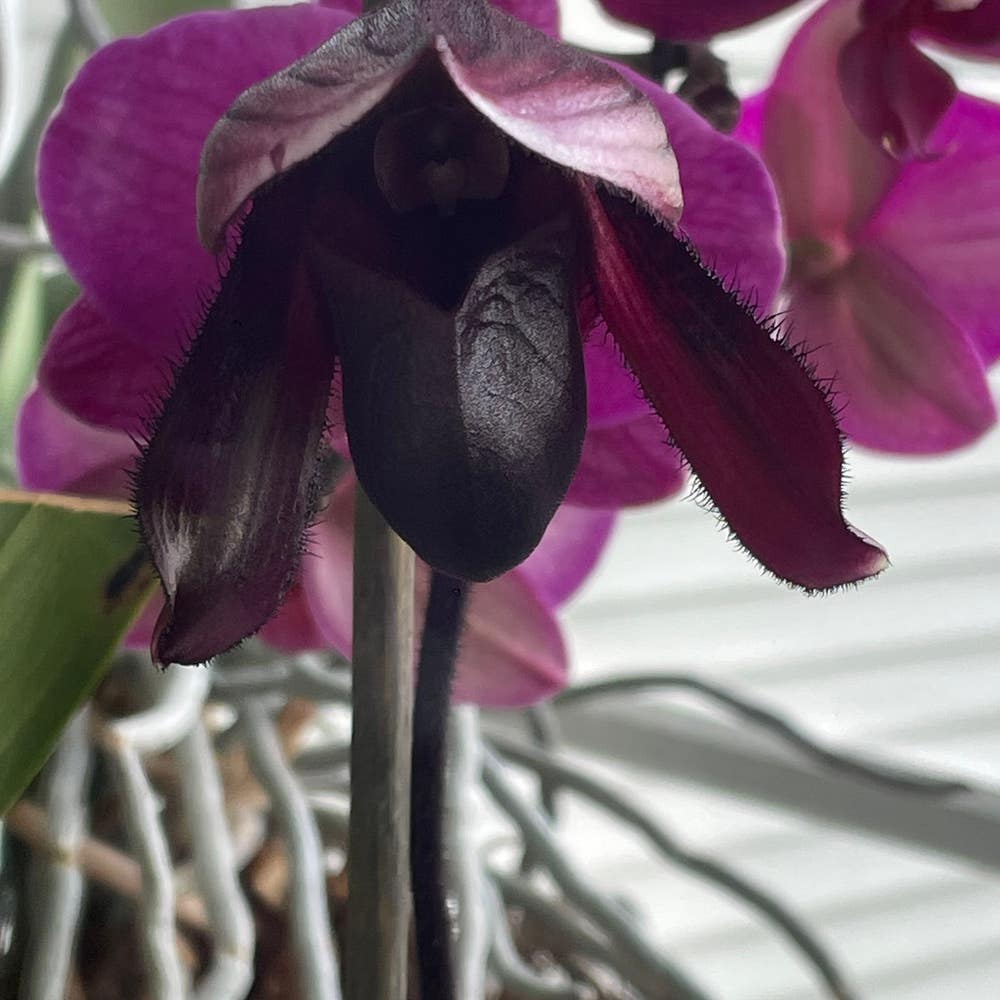
The Venus Slipper Orchid is known for its impressive multi-year flowering cycles. Typically, these orchids bloom once a year, with flowers lasting several weeks, creating a stunning display that gardeners eagerly anticipate.
On average, the lifespan of a Venus Slipper Orchid can reach 20 years or more when properly cared for. This longevity makes it a cherished addition to any garden, providing beauty and interest for many seasons.
Advantages for Gardeners 🌿
One of the most significant benefits of the Venus Slipper Orchid is its reduced need for replanting. Once established, this perennial plant thrives year after year, allowing gardeners to enjoy its beauty without the hassle of frequent replacements.
Additionally, the orchid's established root system offers substantial advantages. Deep roots enhance nutrient and water uptake, ensuring the plant remains healthy and vibrant, even during dry spells. This resilience makes it a smart choice for both novice and experienced gardeners alike.
As we explore the dormancy and seasonal changes of the Venus Slipper Orchid, we’ll uncover how these factors further contribute to its perennial nature.
Dormancy and Seasonal Changes
Description of Dormancy Periods 🌱
Dormancy in the Venus Slipper Orchid is a natural phase where the plant conserves energy and resources. This period typically occurs in winter, allowing the orchid to survive harsh conditions and prepare for the next growth cycle.
Timing of Dormancy ⏳
Most Venus Slipper Orchids enter dormancy from late fall to early spring. During these months, the plant focuses on maintaining its root system rather than producing foliage or flowers.
Seasonal Changes in Growth and Flowering 🌸
As spring arrives, the Venus Slipper Orchid awakens from dormancy, showcasing vibrant growth. This active season is marked by lush foliage and the emergence of stunning flowers, captivating any garden enthusiast.
Growth Patterns During Active Seasons 🌿
In spring and summer, the orchid thrives, expanding its leaves and developing robust stems. This growth phase is crucial for photosynthesis, enabling the plant to gather energy for future blooming.
Changes During Dormancy 💤
During dormancy, the Venus Slipper Orchid significantly reduces its metabolic activity. This energy conservation strategy helps the plant withstand unfavorable conditions until the warmth of spring returns.
Understanding these seasonal dynamics is essential for any gardener looking to nurture the Venus Slipper Orchid. By recognizing its dormancy and active growth phases, you can provide the best care possible, ensuring a flourishing plant year after year.
Next, we will explore the lifespan and longevity factors that contribute to the enduring beauty of this remarkable perennial.
Lifespan and Longevity Factors
Expected Lifespan 🌱
The Venus Slipper Orchid typically thrives for about 10 to 20 years as a perennial plant. However, this lifespan can vary significantly based on the care it receives and the environmental conditions it endures.
Factors Influencing Longevity 🌼
Climate Influences ☀️
Different climate zones can greatly affect the growth and lifespan of the Venus Slipper Orchid. For instance, warmer climates may promote faster growth, while cooler regions can slow down development.
Care Practices 🧑🌾
Proper care is crucial for maximizing the longevity of this orchid. Regular watering, appropriate fertilization, and attention to pests can significantly enhance its lifespan, allowing it to flourish for many years.
Understanding these factors can help you cultivate a thriving Venus Slipper Orchid, ensuring it remains a vibrant part of your garden for years to come. As we explore the next section, we’ll delve into tips for maximizing the benefits of this perennial beauty.
Maximizing Perennial Benefits
Tips for Garden Planning 🌱
Choosing the right location for your Venus Slipper Orchid is crucial for optimal growth. These orchids thrive in well-drained, slightly acidic soil and prefer partial shade, making a spot under taller plants ideal.
Companion planting can also enhance the health of your orchids. Pairing them with other perennials can create a vibrant ecosystem, providing mutual benefits like improved pollination and pest control.
Long-Term Cultivation Strategies 🌿
To ensure your Venus Slipper Orchid flourishes, focus on maintenance practices. Regular watering is essential, but avoid overwatering; the soil should be moist but not soggy. Fertilizing during the growing season can boost growth, but use a balanced fertilizer sparingly.
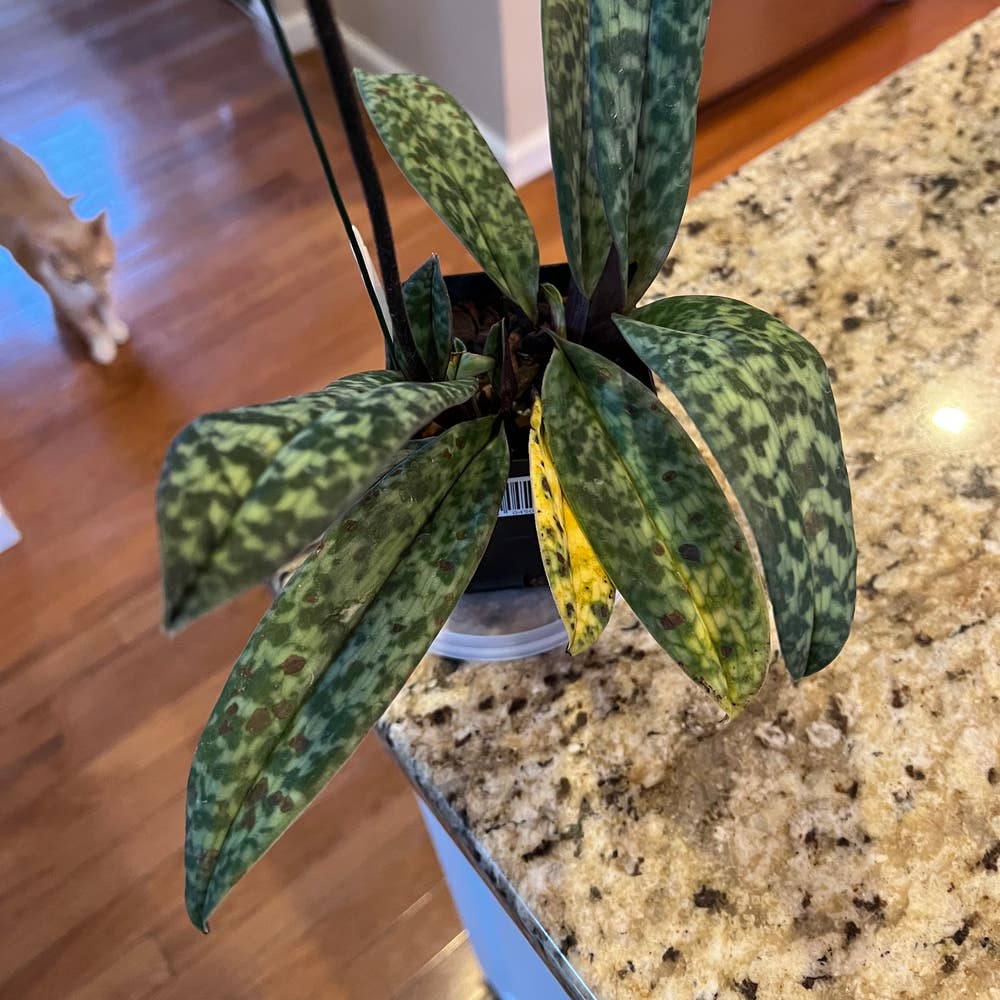
Monitoring your plant's health is equally important. Look for signs of distress, such as yellowing leaves or stunted growth, and address these issues promptly to maintain a thriving orchid.
By implementing these strategies, you can maximize the benefits of your Venus Slipper Orchid, ensuring it remains a stunning feature in your garden for years to come.
⚠️ Safety First
This content is for general information and may contain errors, omissions, or outdated details. It is not medical, veterinary advice, or an endorsement of therapeutic claims.
Always consult a qualified healthcare professional before using any plant as food, medicine, or supplement.
Never eat any plant (or feed one to pets) without confirming its identity with at least two trusted sources.
If you suspect poisoning, call Poison Control (800) 222-1222, the Pet Poison Helpline (800) 213-6680, or your local emergency service immediately.
Spotted an error? Please report it here.
Ensure your Venus Slipper Orchid blooms vibrantly every year 🌼 by using Greg's tailored care tips and watering reminders for long-lasting beauty in your garden!