How Should Paphiopedilum venustum Be Cut Back?
Paphiopedilum venustum
By the Greg Editorial Team
Mar 06, 2024•4 min read
This article was created with the help of AI so we can cover more plants for you. May contain errors. See one? Report it here.
- Post-flowering pruning is best for health and aesthetics.
- 🌿 Use sterilized, sharp tools for clean cuts and disease prevention.
- Pruning encourages new growth, especially during dormancy.
Best Time to Get Snippy: When to Prune Your Orchid
🌸 After the Curtain Falls: Post-Flowering Pruning
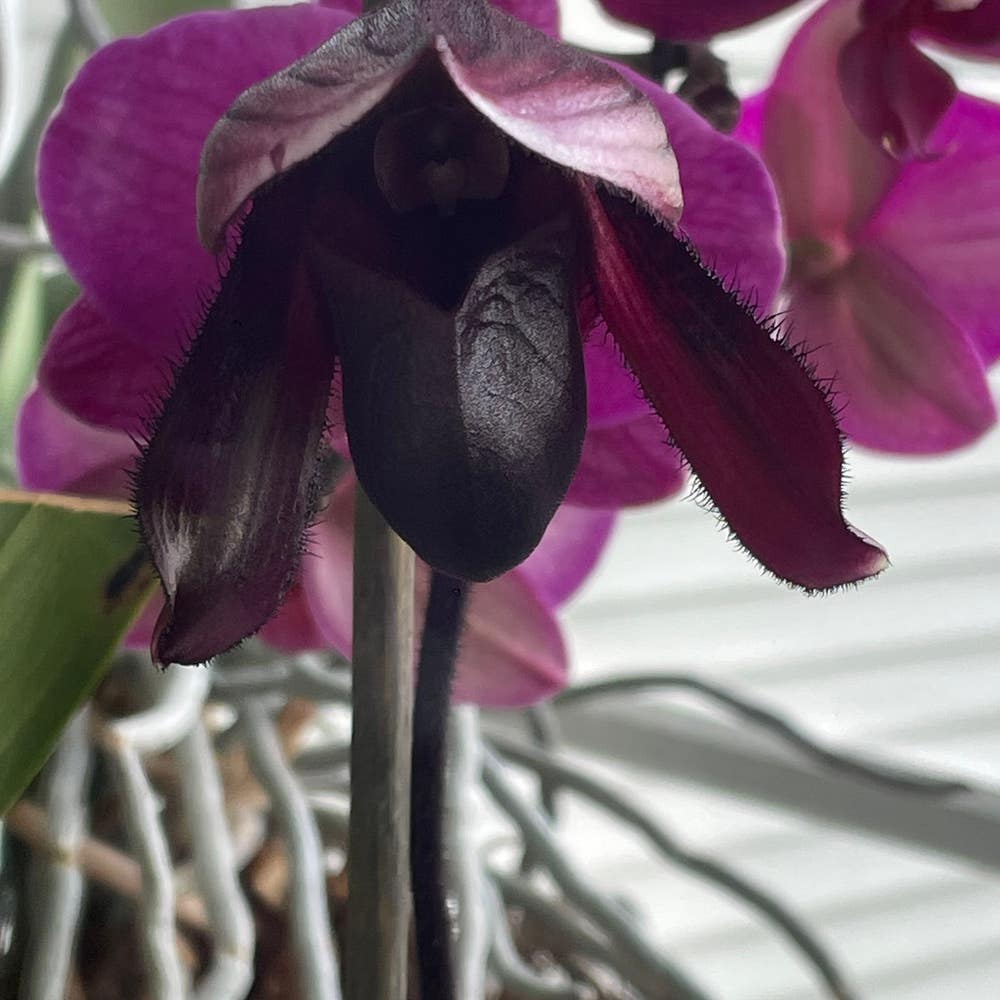
Pruning Paphiopedilum venustum is not a whimsical task but a critical timing game. Post-flowering is your golden hour for pruning. This phase is marked by wilted blooms and a pause in growth, signaling it's time to wield your shears with purpose.
🌱 The Resting Phase: Pruning During Dormancy
Dormancy in Paphiopedilum venustum is a quiet act of self-preservation. It's the plant's siesta time, making it ideal for more extensive pruning. This period of rest allows your orchid to heal without diverting resources from blooming.
The Right Cut: Tools and Techniques for Pruning Paphiopedilum venustum
🔪 Choosing Your Arsenal: The Best Tools for the Job
Pruning Paphiopedilum venustum starts with selecting the right tools. Sharp, sterilized pruning shears or scissors are your go-to for making precise cuts. Blunt instruments are out; they're like a bull in a china shop for your delicate orchid.
Sterilize your tools before and after use to prevent introducing any plant pathogens. Use rubbing alcohol or a bleach solution for this purpose. A dull blade is a one-way ticket to Crushed Stem City, inviting disease and distress, so keep those blades sharp.
🌱 Making the Cut: Techniques for Healthy Pruning
When it comes to pruning, it's not just about hacking away at your plant. Precision is the name of the game. Here's a step-by-step guide to ensure you're making the right cuts:
- Flower Spikes: Once the blooms have faded, cut the spike near the base, but above the bottom two nodes.
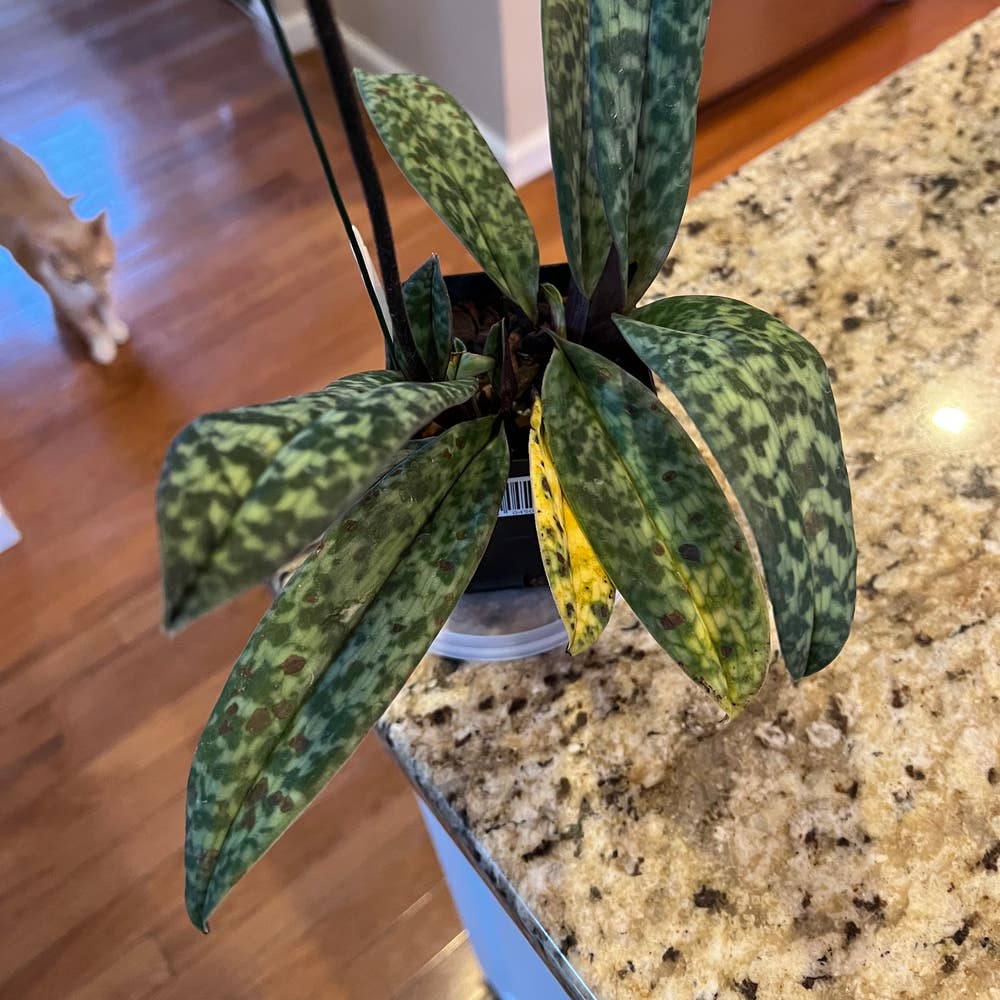
- Leaves: Remove any yellowing or damaged leaves by cutting them off at the base.
- Pseudobulbs: If you spot a pseudobulb that's past its prime, cut it at the base while being careful not to damage the neighboring growth.
To identify damaged or diseased parts, look for discoloration, spots, or an overall wilted appearance. These are the parts you want to remove to keep your orchid in tip-top shape. Remember, a clean cut heals faster and reduces the risk of disease, so make it snappy and make it clean.
Pruning with Purpose: Aesthetic and Health Benefits
🌸 Crafting Beauty: Shaping Your Orchid
Pruning isn't just a maintenance chore; it's sculpting your Paphiopedilum venustum into a living work of art. Strategic cuts can dramatically enhance the plant's form, steering it towards a visual ideal. Symmetry and balance are the goals, with each snip thoughtfully shaping the future of your orchid's aesthetic.
🩹 Cutting Out the Bad: Preventing Disease Spread
Spotting a sickly leaf or a limp pseudobulb? Time to play plant surgeon. Precision is key in excising these parts to halt any disease in its tracks and reroute energy to healthier growth. Sterilizing your tools isn't just good practice; it's a critical defense, ensuring each cut is a clean slate for your orchid's health.
Encouraging a Comeback: Pruning for Rejuvenation
🌱 Spurring New Growth: How Pruning Promotes Health
Pruning isn't just a trim; it's a strategic signal to your Paphiopedilum venustum. By cutting back spent flower spikes and yellowing leaves, you're redirecting the plant's energy to the most promising areas. New shoots often emerge with renewed vigor, thanks to this focused attention.
Damaged or diseased parts of the plant are like bad company; they drain resources and spread negativity. Remove them, and you give your orchid a clean slate for healthier growth. Strategic cuts near dormant buds can stimulate them into action, encouraging a bushier, more robust plant.
📅 Timing Your Trims: Seasonal Considerations
When it comes to pruning, timing is everything. Prune after flowering, when the plant is already contemplating its next move, and you'll likely see a quicker response. This is when your orchid is most receptive to change, like a teenager deciding on a college.
During the orchid's dormant phase, usually when the temperatures drop, it's time for more significant pruning. This is when the plant's metabolism slows down, and it's less likely to suffer from the shock of losing a limb or two. It's the plant version of hibernating, and just like bears, they wake up hungry for growth.
Remember, over-pruning can be like an overzealous haircut; it takes time to grow back. So, moderation is key. Aim for a balance that encourages health without leaving your orchid bald.
⚠️ Safety First
This content is for general information and may contain errors, omissions, or outdated details. It is not medical, veterinary advice, or an endorsement of therapeutic claims.
Always consult a qualified healthcare professional before using any plant as food, medicine, or supplement.
Never eat any plant (or feed one to pets) without confirming its identity with at least two trusted sources.
If you suspect poisoning, call Poison Control (800) 222-1222, the Pet Poison Helpline (800) 213-6680, or your local emergency service immediately.
Spotted an error? Please report it here.
Ensure your Paphiopedilum venustum thrives with sterile and timely snips ✂️, as Greg's custom reminders keep you on track with the best post-bloom pruning practices.