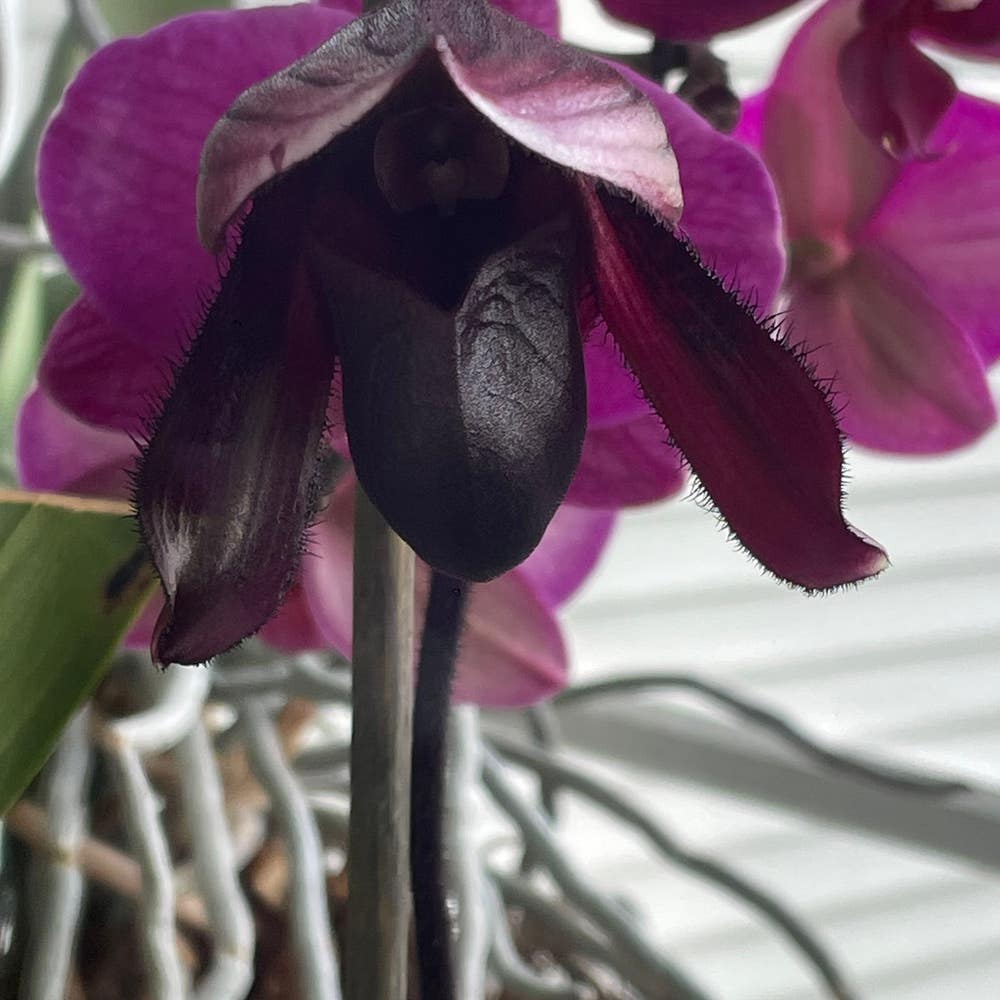
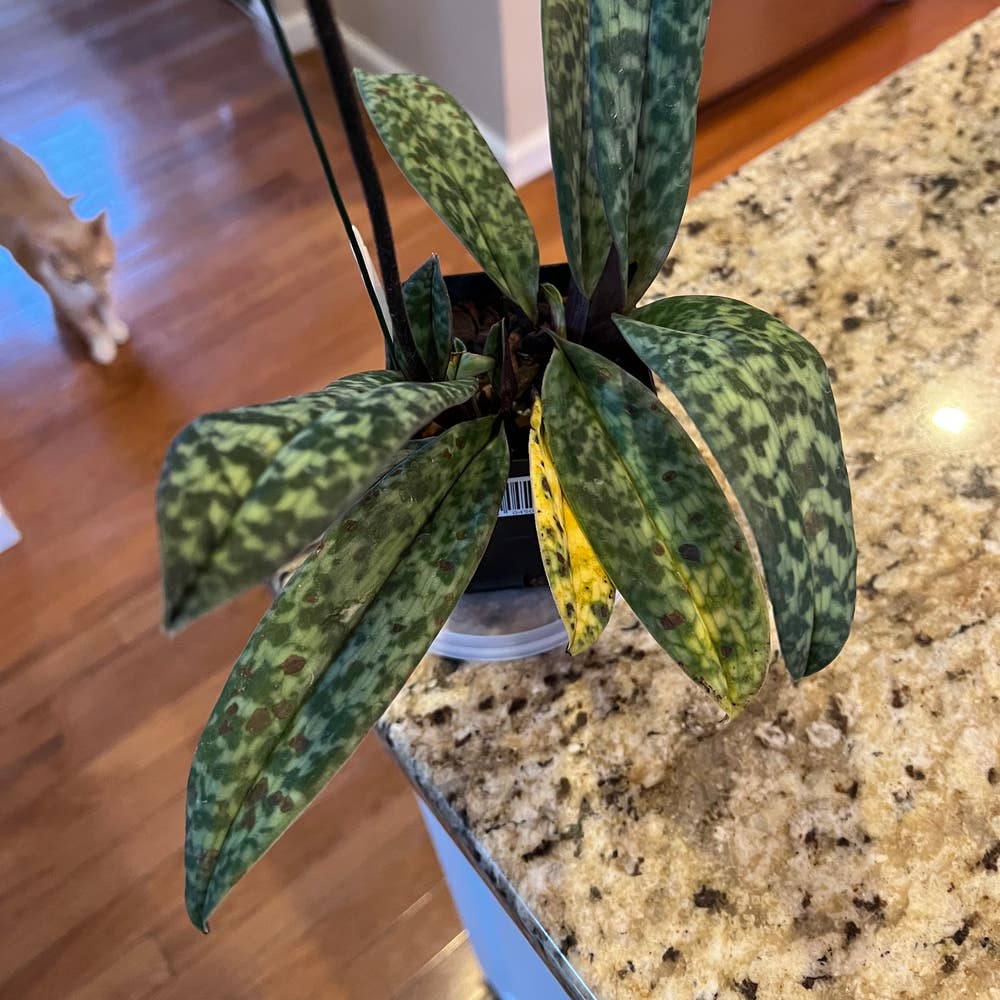
Venus Slipper Orchid Is a Garden Plant, Not a Weed 🌸
Paphiopedilum venustum
By the Greg Editorial Team
Oct 01, 2024•5 min read
This article was created with the help of AI so we can cover more plants for you. May contain errors. See one? Report it here.
- 🌸 Venus Slipper Orchid thrives in shaded woodlands, enhancing garden aesthetics and biodiversity.
- 🌱 Requires well-drained, acidic soil and consistent moisture for optimal growth.
- 🐝 Attracts essential pollinators like bees and butterflies, supporting local ecosystems.
Growth Habits
🌱 Typical Growth Patterns
The Venus Slipper Orchid exhibits a charming clumping habit, often forming small colonies that create a lush, inviting presence in any garden. Its flowering season typically occurs in spring, showcasing unique blooms that can captivate any onlooker.
🌳 Natural Habitat Preferences
This orchid thrives in shaded woodlands and moist meadows, where it finds the perfect balance of light and humidity. It prefers well-drained, acidic soils, making it essential to replicate these conditions for optimal growth.
🚧 Spread Potential and Limitations
Despite its beauty, the Venus Slipper Orchid has a slow propagation rate, which naturally limits its spread. Factors such as light availability, moisture levels, and soil quality significantly influence its growth, making careful management crucial for success.
With these growth habits in mind, you can better appreciate how to incorporate the Venus Slipper Orchid into your garden. Next, let's explore its ecological role and the benefits it brings to local ecosystems.
Ecological Role
Benefits to Local Ecosystems 🌱
The Venus Slipper Orchid plays a vital role in enhancing biodiversity. By supporting various plant and animal species, it contributes to a balanced ecosystem.
Interactions with Pollinators and Wildlife 🐝
This orchid attracts specific pollinators, such as bees and butterflies, which are essential for its reproduction. Additionally, it provides habitat and food sources for local wildlife, creating a thriving environment.
Importance in Biodiversity 🌍
Incorporating the Venus Slipper Orchid into garden ecosystems helps maintain diverse plant species. This diversity not only beautifies gardens but also strengthens ecological resilience, making it a valuable addition to any landscape.
As we explore the next section on garden management, consider how these ecological benefits can influence your gardening choices.
Garden Management
🌿 Incorporating into Garden Designs
Venus Slipper Orchids thrive in shaded areas, making them perfect for woodland gardens. Pair them with companion plants like ferns or hostas to create a lush, layered look.
When designing your garden, consider varying heights and textures. This not only enhances visual appeal but also mimics natural habitats, providing a more authentic environment for these orchids.
🧑🌾 Maintenance and Care Requirements
These orchids require consistent moisture but dislike being waterlogged. Aim for well-drained soil to keep their roots healthy.
For fertilization, opt for organic options like compost or fish emulsion. This promotes robust growth while being gentle on the environment.
✂️ Controlling Growth for Aesthetic Purposes
Pruning is essential for maintaining the desired size and shape of your Venus Slipper Orchids. Regularly remove dead or damaged leaves to encourage new growth.
To manage their spread, consider planting them in contained areas or using barriers. This way, you can enjoy their beauty without overwhelming your garden space.
Incorporating Venus Slipper Orchids into your garden not only enhances its aesthetic but also contributes to a thriving ecosystem. Next, let’s explore how these orchids interact with local wildlife and their broader ecological role.
Comparison to Other Plants
🌱 Similar Non-Invasive Plants
When considering non-invasive options for your garden, several orchids and woodland plants stand out. Varieties like the Lady's Slipper Orchid and the Jack-in-the-Pulpit share similar growth habits, thriving in shaded environments and requiring well-drained, acidic soil.
These plants generally have comparable care requirements, such as consistent moisture and protection from direct sunlight. This makes them excellent companions for the Venus Slipper Orchid, enhancing the overall aesthetic and ecological balance of your garden.
🌼 Unique Qualities
The Venus Slipper Orchid is renowned for its distinctive flower shape, which attracts specific pollinators like bees and butterflies. This unique morphology not only adds visual interest but also plays a crucial role in its reproductive success.
Culturally, this orchid has historical significance in various regions, often associated with traditional herbal remedies. Its intriguing background adds depth to its presence in any garden setting.
🌿 Benefits in Garden Settings
Incorporating the Venus Slipper Orchid into your garden offers both aesthetic appeal and ecological benefits. Its striking flowers can serve as focal points, drawing the eye and sparking conversation among visitors.
Moreover, this orchid enhances garden biodiversity, supporting a range of local wildlife. By planting it alongside other native species, you contribute to a resilient ecosystem that thrives on diversity and balance.
As you explore the potential of the Venus Slipper Orchid, consider how it can complement your garden's unique character while fostering a vibrant environment. Next, let’s delve into the legal and environmental considerations surrounding this beautiful plant.
Legal and Environmental Considerations
📜 Relevant Classifications and Guidelines
When considering the Venus Slipper Orchid for your garden, it's essential to be aware of local regulations. Many regions have specific guidelines regarding the planting of this species to ensure its conservation and prevent overharvesting.
Understanding its conservation status is equally important. The Venus Slipper Orchid may be protected in certain areas, so check with local authorities before planting.
🌱 Sustainable Gardening Practices
Incorporating native plants like the Venus Slipper Orchid is a cornerstone of sustainable gardening. These plants not only thrive in local conditions but also support the surrounding ecosystem.
By integrating this orchid into your garden design, you contribute to eco-friendly practices. It enhances biodiversity and creates a balanced environment for various species.
🌍 Environmental Impact
The Venus Slipper Orchid positively impacts soil health. Its presence can improve soil structure and nutrient availability, benefiting other plants in the vicinity.
Thoughtful planting choices, including the Venus Slipper Orchid, encourage biodiversity. This not only enriches your garden but also supports local wildlife, creating a thriving ecosystem.
As you consider these aspects, remember that every plant choice contributes to a larger environmental narrative. The Venus Slipper Orchid is more than just a beautiful addition; it's a vital player in sustaining our natural world.
⚠️ Safety First
This content is for general information and may contain errors, omissions, or outdated details. It is not medical, veterinary advice, or an endorsement of therapeutic claims.
Always consult a qualified healthcare professional before using any plant as food, medicine, or supplement.
Never eat any plant (or feed one to pets) without confirming its identity with at least two trusted sources.
If you suspect poisoning, call Poison Control (800) 222-1222, the Pet Poison Helpline (800) 213-6680, or your local emergency service immediately.
Spotted an error? Please report it here.
Elevate your garden's biodiversity with the stunning Venus Slipper Orchid 🌿, and let Greg guide you with personalized care tips to keep your orchids thriving in their perfect shady spots!