🌞 Does My Paphiopedilum venustum Need Direct Sunlight?
Paphiopedilum venustum
By the Greg Editorial Team
Mar 06, 2024•3 min read
This article was created with the help of AI so we can cover more plants for you. May contain errors. See one? Report it here.
- 🌿 Prefers filtered light: Direct sunlight can harm Paphiopedilum venustum.
- 🌞 East or North windows ideal: Adjust based on hemisphere for perfect exposure.
- 💡 LED grow lights work: Use with a 12-hour timer for consistent light diet.
Sunlight and Paphiopedilum venustum: A Delicate Dance
🌞 Does Paphiopedilum venustum bask or balk at direct sunlight?
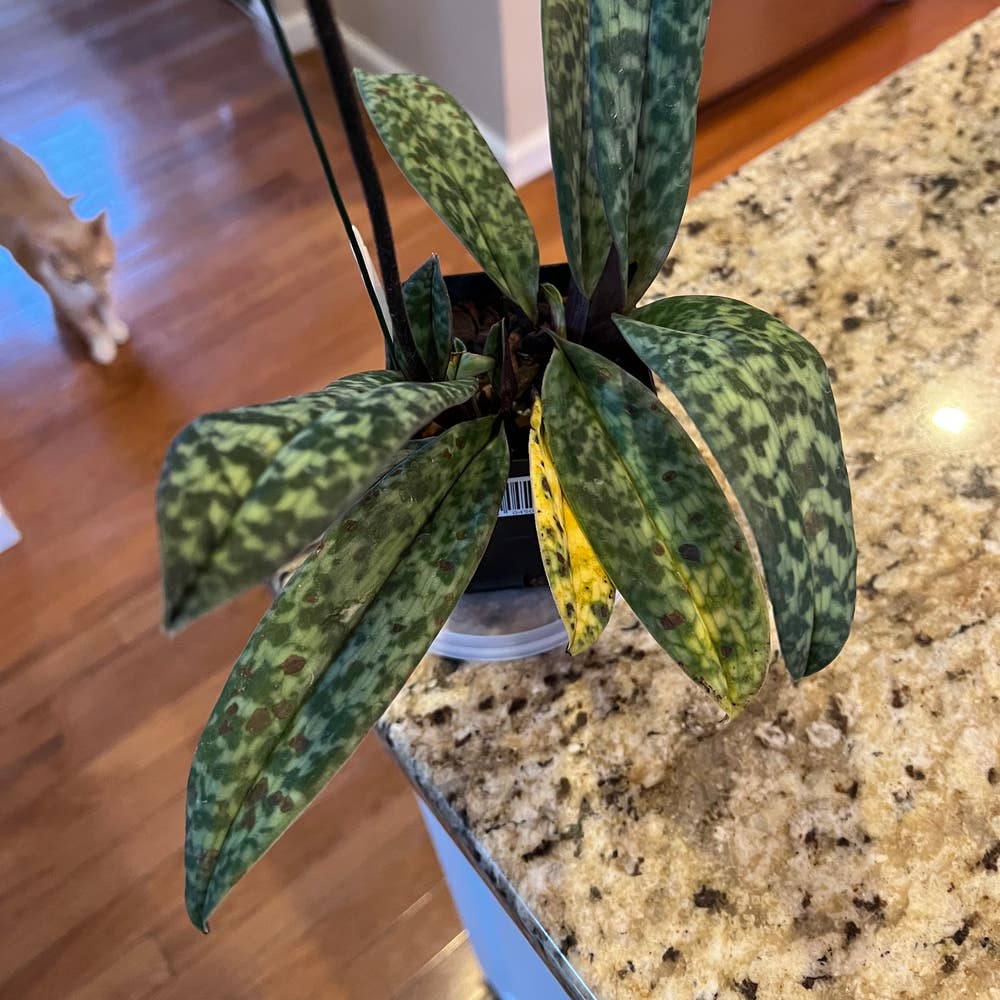
The natural habitat clues of Paphiopedilum venustum suggest a preference for shady forest floors, hinting at its love for filtered light. This terrestrial orchid's leathery, mottled leaves are evolution's sunglasses, designed for dappled sunshine, not the full glare of the sun.
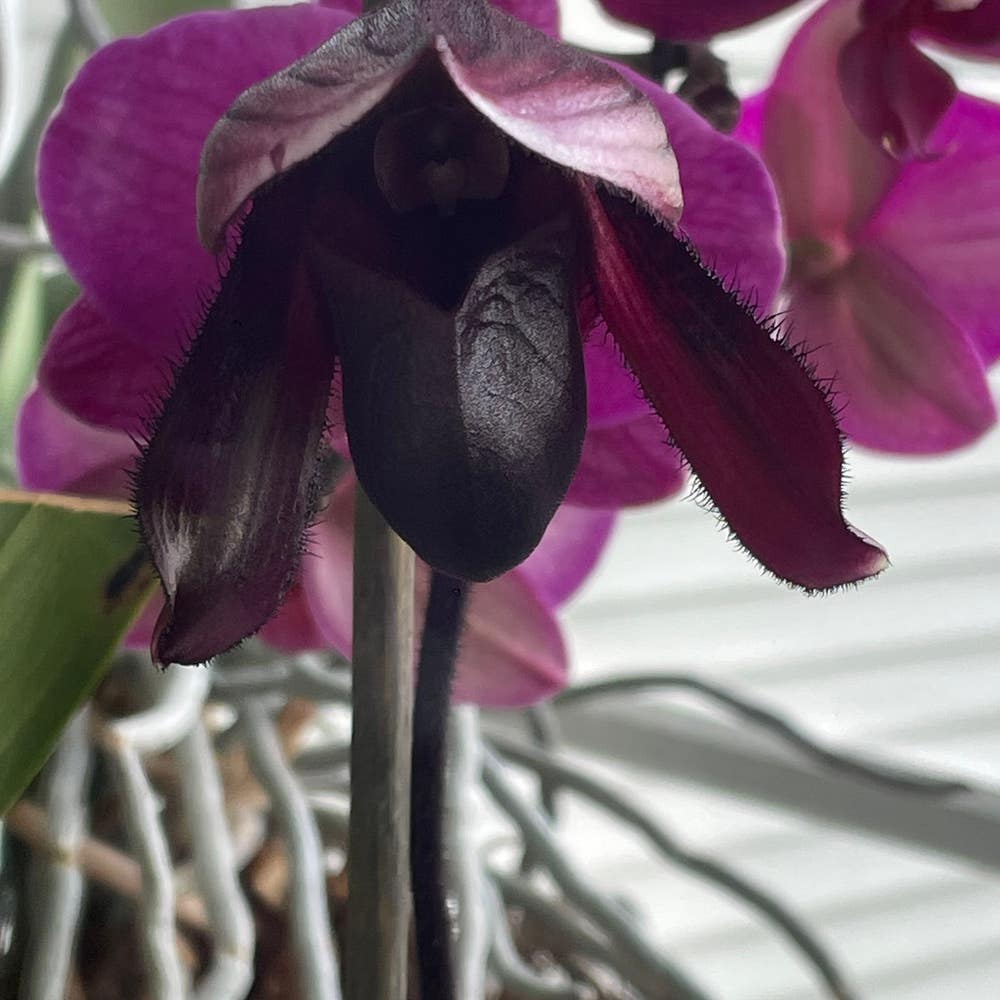
The plant's physiological sunlight preferences align with its understory origins. Bright, indirect light is the sweet spot, keeping its slipper-shaped blooms vibrant without the risk of a sunburn.
💡 The tell-tale signs your orchid loves or loathes the light
Too much sun will have your Paphiopedilum venustum throwing shade by turning its leaves a crispy, sun-kissed brown. It's a clear SOS: dial back the direct rays.
Conversely, a light-starved orchid will sulk with pale, yellowing leaves and stunted growth. It's craving a spotlight, albeit a gentle one. Keep it glowing, not roasting, and your Paphiopedilum venustum will reward you with a show of flowers that'll make your indoor garden the envy of the neighborhood.
Windows and Hemispheres: The Sunlight Strategy
⛅️ Picking the perfect window for your Paphiopedilum venustum
East-facing windows are the sweet spot for your Paphiopedilum venustum, offering a gentle morning sun that's just right. The soft light mimics the plant's natural environment, without the harsh midday rays.
North-facing windows provide a consistent, moderate light, ideal for the delicate leaves of your orchid. They're the introverts of the window world, never too intense.
🌍 Hemisphere happenings: How your location affects your orchid
In the Northern Hemisphere, south-facing windows are the sun's stage, basking your plant in bright light. Adjust your plant's position to avoid overexposure.
Flip everything for the Southern Hemisphere: north-facing windows become the go-to for maximum sunlight. Watch the seasonal sun's arc—your plant care strategy might need a seasonal remix.
Safeguarding Your Paphiopedilum venustum from Sunlight Extremes
🌞 Gradual tanning: Acclimating your orchid to sunlight
Acclimating your Paphiopedilum venustum to sunlight is like easing into a hot bath—it should be done gradually. Start by placing your orchid in a spot with indirect light and slowly increase its exposure to brighter conditions over several weeks. This mimics the plant's natural adaptation process and prevents the shock of sudden, intense exposure.
🕶 When the sun is too strong: Protecting your plant
If your Paphiopedilum venustum's leaves look like they've had a bit too much fun in the sun, it's time to intervene. Shade cloth or a sheer curtain can act as a parasol, providing relief from harsh rays. Keep a vigilant eye on your orchid and adjust its exposure as needed. Remember, your plant's leaves will communicate their distress through discoloration or crispiness—heed these signs promptly.
Alternative Light Sources: When the Sun Doesn't Shine
💡 Artificial grow lights: Can they mimic the sun for Paphiopedilum venustum?
When the sun's a no-show, grow lights take center stage. They're the understudies ready to perform for your Paphiopedilum venustum, ensuring it doesn't miss a beat in its growth rhythm.
🌟 Choosing the right grow light
LEDs are the rock stars of the artificial light world for orchids. They're energy-efficient and emit a spectrum of light that's akin to the sun's, minus the heat that could cook your delicate Paphiopedilum venustum. Full-spectrum options are your best bet, providing a balanced light diet that's just right.
🕰 Setting up an artificial sun schedule
Consistency is key, so hook up a timer to your grow lights. Aim for a 12-hour light cycle to keep your orchid's internal clock ticking without a hitch. It's like having a personal sun for your plant, available at the flick of a switch—no sunscreen required.
⚠️ Safety First
This content is for general information and may contain errors, omissions, or outdated details. It is not medical, veterinary advice, or an endorsement of therapeutic claims.
Always consult a qualified healthcare professional before using any plant as food, medicine, or supplement.
Never eat any plant (or feed one to pets) without confirming its identity with at least two trusted sources.
If you suspect poisoning, call Poison Control (800) 222-1222, the Pet Poison Helpline (800) 213-6680, or your local emergency service immediately.
Spotted an error? Please report it here.
Balance sunlight for your Paphiopedilum venustum 🌿 with Greg's reminders to adjust window positioning and use of shade, ensuring your orchid's perfect glow.