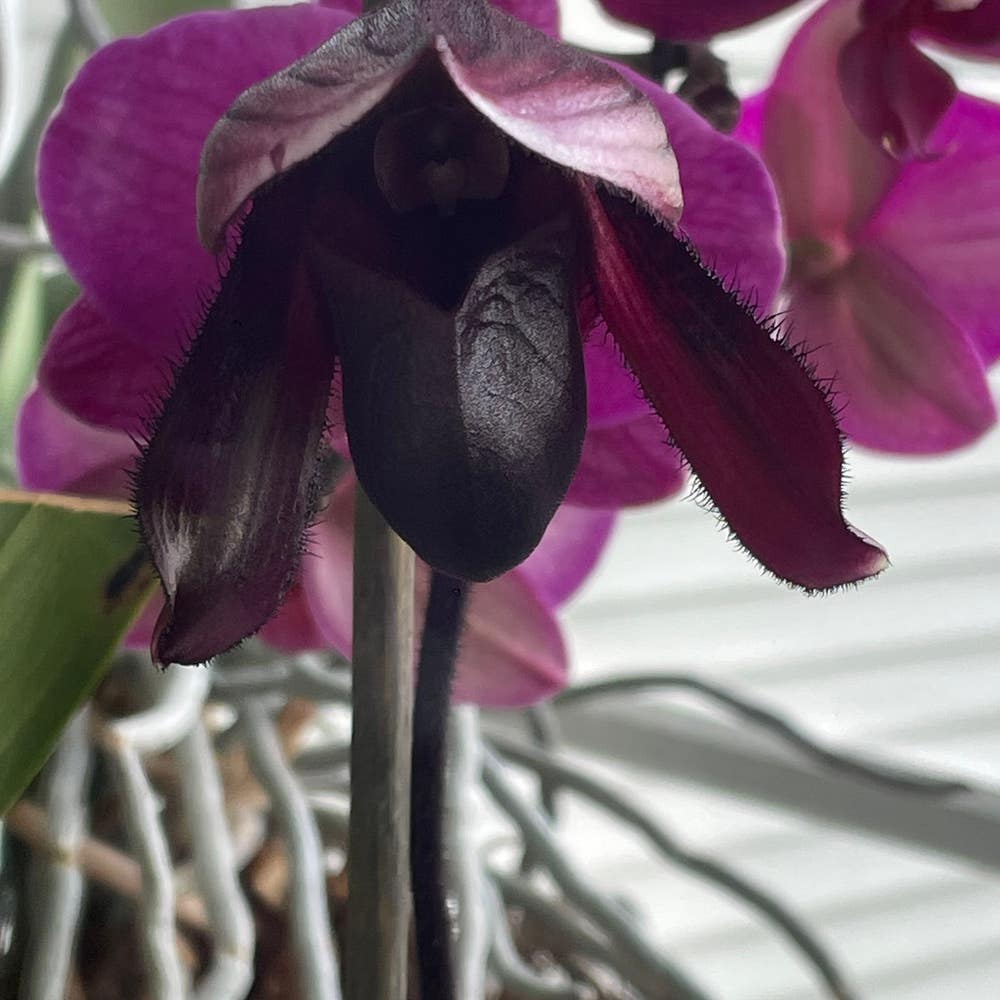
Soil Recommendations for Paphiopedilum venustum
Paphiopedilum venustum
By the Greg Editorial Team
Mar 06, 2024•4 min read
This article was created with the help of AI so we can cover more plants for you. May contain errors. See one? Report it here.
- 🌱 Dark spots and musty odor signal soil and root issues.
- Mold and compaction mean it's time for a soil makeover.
- Ideal mix: Orchiata bark, sphagnum moss, perlite, charcoal, rock dust, fertilizer.
Spotting a Soil SOS
🌱 Telltale signs your Paphiopedilum venustum's soil is unhappy
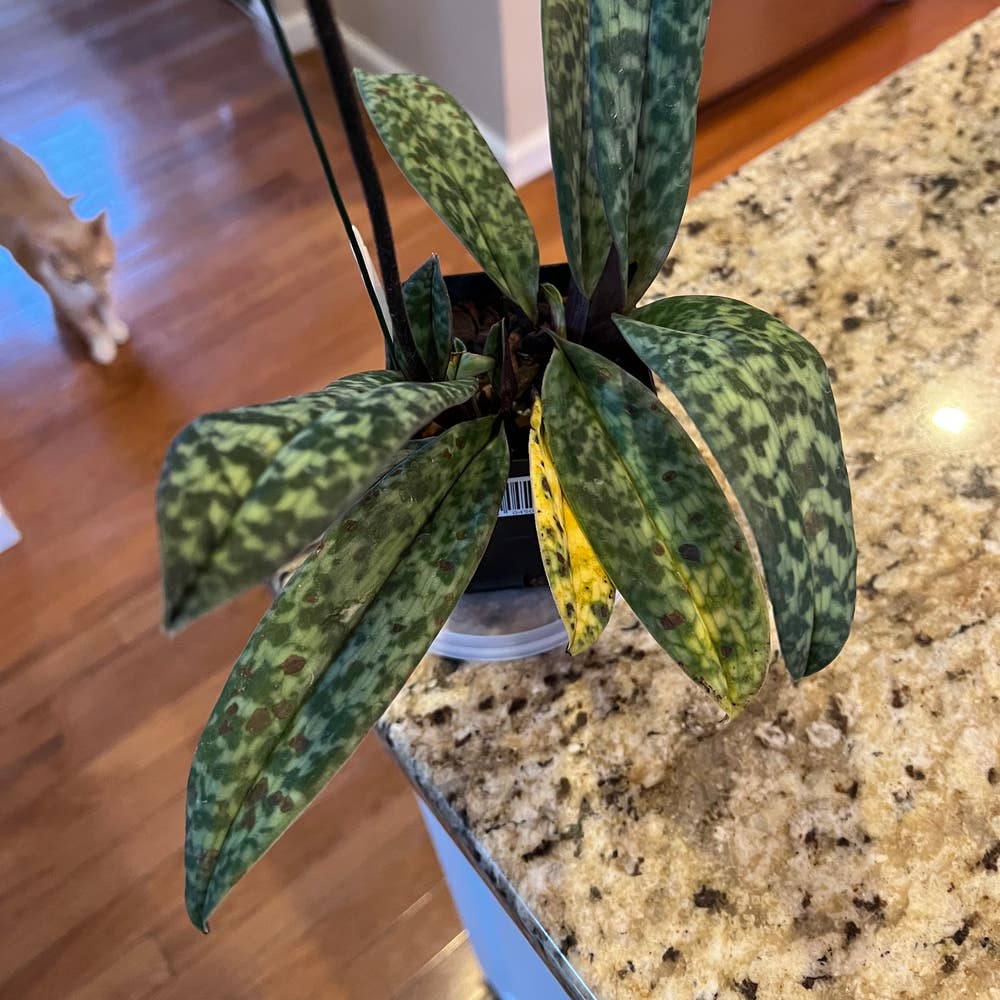
Your Paphiopedilum venustum is a diva that demands the perfect stage, and soil is its spotlight. If the leaves are throwing shade with dark spots on the underside, it's time to listen. This isn't just a cosmetic issue; it's the plant's way of saying, "I'm standing in too much water, and the air down here stinks!" When leaves start to yellow, it's not trying out a new autumn look; it's a cry for help, signaling a potential case of Fusarium wilt. This nasty condition chokes out the life support system of your plant, leaving it thirsty and nutrient-starved.
🌿 The down and dirty consequences of sticking with bad soil
Ignoring your Paphiopedilum venustum's soil distress signals is like ghosting a friend in need. Mold on the surface isn't just unsightly; it's the soil's way of saying, "I can't breathe!" A musty odor is the equivalent of a 911 call from the root zone. And if the soil feels as hard as concrete, you've got a serious case of compaction. This is the root equivalent of wearing jeans two sizes too small – uncomfortable and nothing can grow! Poor drainage is the silent assassin in this drama; water pooling on the surface is a wet blanket that can smother your plant's roots. Take these signs seriously, or you'll be presiding over a plant funeral.
The Great Soil Makeover
🦠 Kicking mold to the curb: Refreshing your Paphiopedilum venustum's soil
Mold in your Paphiopedilum venustum's pot is a no-go. If you spot fuzzy invaders or a musty smell, it's time to act. Remove the plant and discard the old soil. Clean the pot with a mild bleach solution to eradicate any lingering spores.
💨 Soil CPR: Reviving the root environment
Reviving your Paphiopedilum's roots starts with aeration. Mix in chunky ingredients like bark or perlite to let those roots breathe. The pH should sit cozy between 5 and 6.5; consider a sprinkle of crushed eggshell to keep it steady. Repot post-flowering, when the plant's ready for a fresh start.
Crafting the Perfect Paphiopedilum Potting Mix
🌱 The dream team: Ingredients for a thriving Paphiopedilum venustum
Creating the ideal potting mix for your Paphiopedilum venustum isn't rocket science, but it does require a meticulous selection of components. Orchiata bark should be your starting point, making up about 50% of the mix for its excellent drainage and durability. Add in long-fiber sphagnum moss for moisture retention, crucial for those delicate roots. Perlite and charcoal are the unsung heroes, improving aeration and filtering out impurities, respectively. A dash of rock dust can provide essential minerals, and for a nutritional kick, a sprinkle of slow-release fertilizer will do the trick.
🌿 Mixing it up: Proportions and textures for peak performance
When it comes to proportions, think of your potting mix like a bespoke suit—it needs to fit your Paphiopedilum venustum just right. A 50:30:10:10 ratio of Orchiata bark, sphagnum moss, perlite, and charcoal is a solid baseline. Adjust the texture to ensure the mix is airy and well-draining; your plant's roots should never sit in soggy soil. Remember, the goal is to mimic the natural environment of Paphiopedilum venustum, which isn't a fan of wet feet. Keep the mix fluffy and light, and you'll have a happy orchid on your hands—or in your pot, rather.
DIY Soil Mix Magic
🌱 Step-by-step: Whipping up a homebrew soil mix
Creating your own soil mix for Paphiopedilum venustum is a straightforward process. Here's how to get your hands dirty—literally.
- Sanitize your mixing container and tools to prevent introducing pests or diseases.
- Start with a base of all-purpose potting soil; this is your mix's foundation.
- Add one part perlite for aeration, ensuring roots can breathe and water drains well.
- Mix in one part fine pine bark to prevent compaction and mimic the orchid's natural environment.
- For moisture control, incorporate one part sphagnum peat moss.
- Sprinkle in a dash of charcoal to keep the mix fresh and free from sour odors.
- Optional: enrich with worm castings for a nutrient boost.
- Combine all ingredients thoroughly, achieving a consistent blend.
- Moisten the mix slightly; it should feel like a wrung-out sponge.
🧼 Sterilize and strategize: Keeping your mix clean and effective
Sterilization is the secret sauce to a successful soil mix. Here's how to zap those microbes:
- Preheat your oven to 200°F (93°C).
- Moisten your soil mix and spread it evenly on a baking tray.
- Bake for 30 minutes to annihilate bacteria and fungi.
- Let the mix cool before potting to avoid root shock.
Remember, a clean mix is a happy mix. Your Paphiopedilum venustum will thank you for the spa treatment with vigorous growth.
⚠️ Safety First
This content is for general information and may contain errors, omissions, or outdated details. It is not medical, veterinary advice, or an endorsement of therapeutic claims.
Always consult a qualified healthcare professional before using any plant as food, medicine, or supplement.
Never eat any plant (or feed one to pets) without confirming its identity with at least two trusted sources.
If you suspect poisoning, call Poison Control (800) 222-1222, the Pet Poison Helpline (800) 213-6680, or your local emergency service immediately.
Spotted an error? Please report it here.
Revitalize your Paphiopedilum venustum with a DIY soil mix and let Greg's custom alerts 🌱 help you prevent overwatering and ensure proper air circulation for a flourishing orchid.