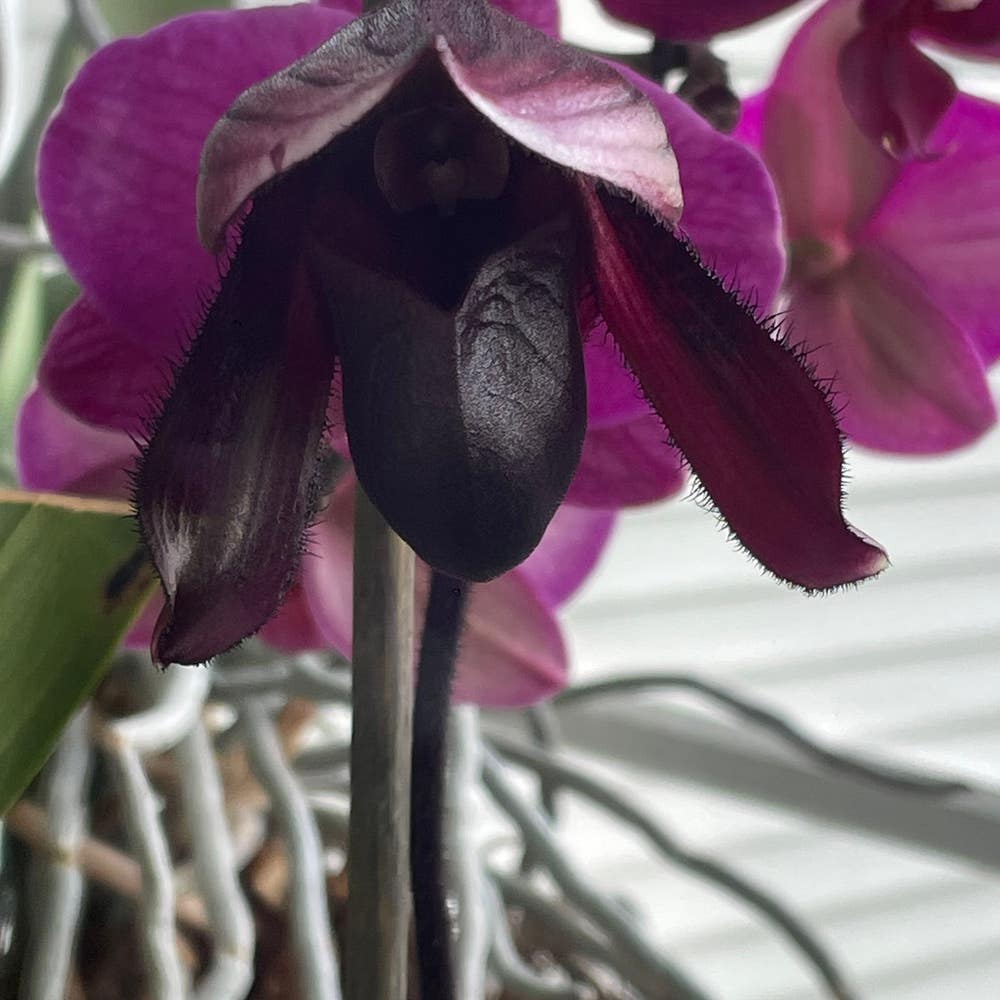
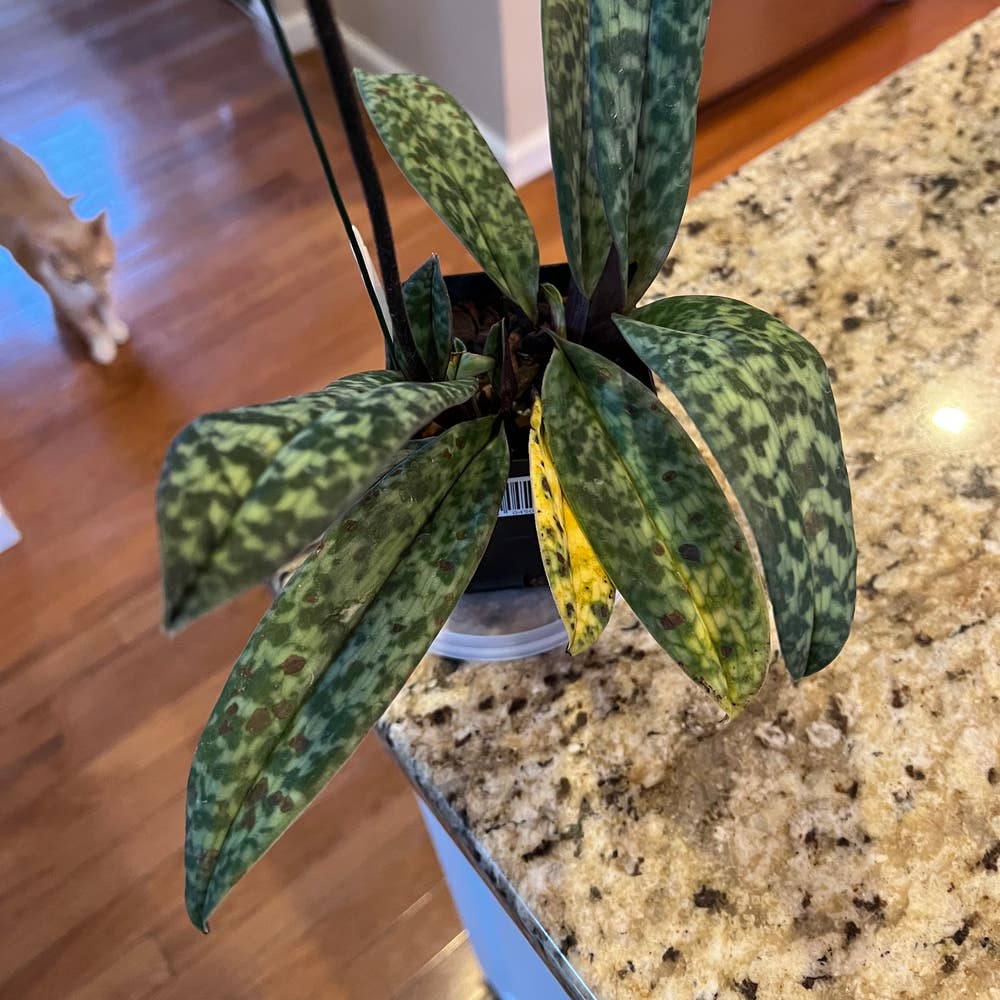
Why Are My Paphiopedilum venustum Leaves Falling Over?
Paphiopedilum venustum
By the Greg Editorial Team
Mar 06, 2024•4 min read
This article was created with the help of AI so we can cover more plants for you. May contain errors. See one? Report it here.
- 🌊 Overwatering leads to droopy leaves; watch for mushy leaves and musty soil.
- ☀️ Bright, indirect light is crucial; east-facing windows are ideal.
- 🌿 Balance water, light, and nutrients; use proper pots, substrates, and fertilizers.
Spotting the Culprits: Direct Causes of Leaf Droop
💧 Overwatering and Its Consequences
Soggy roots can't support Paphiopedilum venustum leaves. They cause the plant to lose its upright posture, leading to a sad, droopy appearance.
Signs of overwatering include mushy leaves and a musty smell from the soil. If your plant's roots are swimming rather than sitting in moisture, you've gone too far.
🌞 Light Levels: Finding the Sweet Spot
Leaves droop when they're starved of light, just as much as they wilt under the harsh glare of direct sun. Bright, indirect light is the key to perky leaves.
To adjust light levels, consider the position of your plant. It should bask in the sun's glow without squinting – think filtered sunlight, not a beach tan.
🍽️ The Diet Effect: Nutrients and Leaf Health
Nutritional deficiencies make themselves known through your plant's leaves. Yellowing or lackluster foliage often cries out for a nutrient boost.
Feeding your Paphiopedilum venustum should be like a well-seasoned meal – enough to enhance, not overpower. Choose a balanced fertilizer and apply it as directed to strengthen your plant's leaves.
First Aid for Fallen Leaves
🚿 Rescuing Roots from the Brink
Overwatering is like giving your orchid a bath when it just needs a sip. Roots suffocate, leaves droop. Stop watering immediately. Let the soil dry out before you even think about giving it another drink. Check the roots; if they're brown and mushy, it's time for surgery. Snip the dead weight with sterilized scissors. Remember, the goal is to let the plant breathe, not drown it.
🌞 Lighting the Way to Recovery
Your orchid's leaves falling over could be a cry for less sunbathing and more shade lounging. Move it away from that scorching window to a spot with indirect light. An east-facing window works wonders. If you're using artificial lights, think soft glow, not interrogation lamp. Keep it consistent; orchids are creatures of habit.
🍽️ Nutritional Interventions
Nutrients are your orchid's best friends, but too much of a good thing is a recipe for disaster. If you've been heavy-handed with the feed, it's time to dial it back. Flush the roots, repot with fresh medium, and introduce a balanced fertilizer. Keep an eye on the leaves for signs of overindulgence—crispy edges are a no-no. Less is more when your orchid is on the mend.
Preventative Measures: Keeping Leaves Upright
💧 Water Wisdom: Balancing Moisture and Airflow
Watering your Paphiopedilum venustum is less about sticking to a strict schedule and more about observing its needs. During winter, water sparingly; think of your orchid as a camel, storing what it needs. As the growing season kicks in, increase watering frequency, but only when the top inch of soil is dry.
Pots and substrates matter. Choose materials that promote drainage and breathability, like terracotta pots and a mix with perlite or pine bark. This isn't just about avoiding soggy roots; it's about letting them breathe easy.
☀️ Luminous Lessons: Ensuring Adequate Light Year-Round
Light is like a vitamin for your orchid; without it, leaves droop in protest. Place your Paphiopedilum venustum in bright, indirect light, but shield it from the harsh midday sun. Rotate the plant periodically to promote even growth and prevent it from leaning like a curious neighbor.
When sunlight is as scarce as a snowman in the desert, artificial lights can be a game-changer. LED grow lights mimic the sun's spectrum, giving your orchid the light meal it craves without the sunburn.
🌱 Feeding Fundamentals: Regular and Right
Feeding your orchid should be as balanced as a tightrope walker's diet. Use a fertilizer formulated for orchids, and apply it sparingly during the active growth phase. Watch for signs of both deficiency and overfeeding; your orchid's leaves will tell you if it's feasting or fasting.
Adjust your feeding strategy with the seasons. Less is more when your orchid is resting, so ease up on the nutrients in the winter. Remember, you're not trying to create a superplant; you're nurturing a living being that relies on your judgment for its meals.
⚠️ Safety First
This content is for general information and may contain errors, omissions, or outdated details. It is not medical, veterinary advice, or an endorsement of therapeutic claims.
Always consult a qualified healthcare professional before using any plant as food, medicine, or supplement.
Never eat any plant (or feed one to pets) without confirming its identity with at least two trusted sources.
If you suspect poisoning, call Poison Control (800) 222-1222, the Pet Poison Helpline (800) 213-6680, or your local emergency service immediately.
Spotted an error? Please report it here.
Keep your Paphiopedilum venustum's leaves perky 🌿 with Greg's custom care reminders, ensuring just the right balance of water, light, and nutrients for your precious orchid.