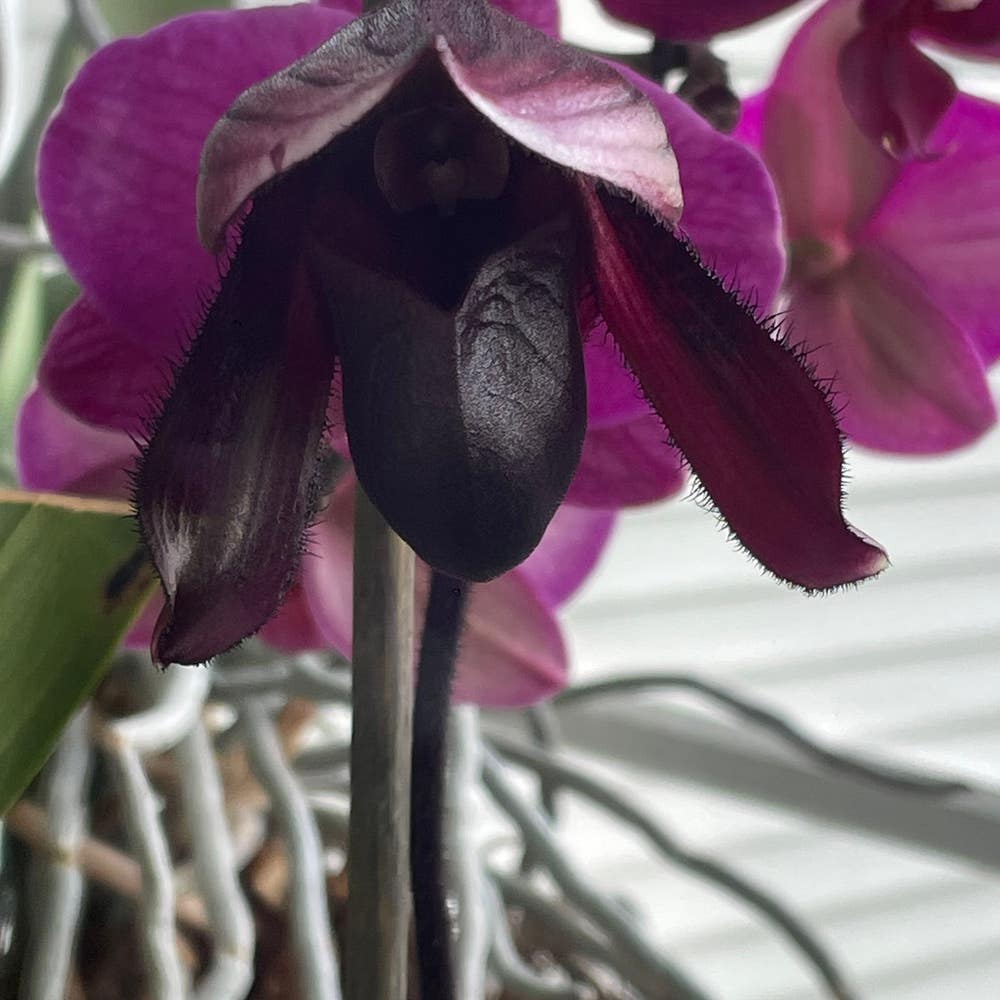
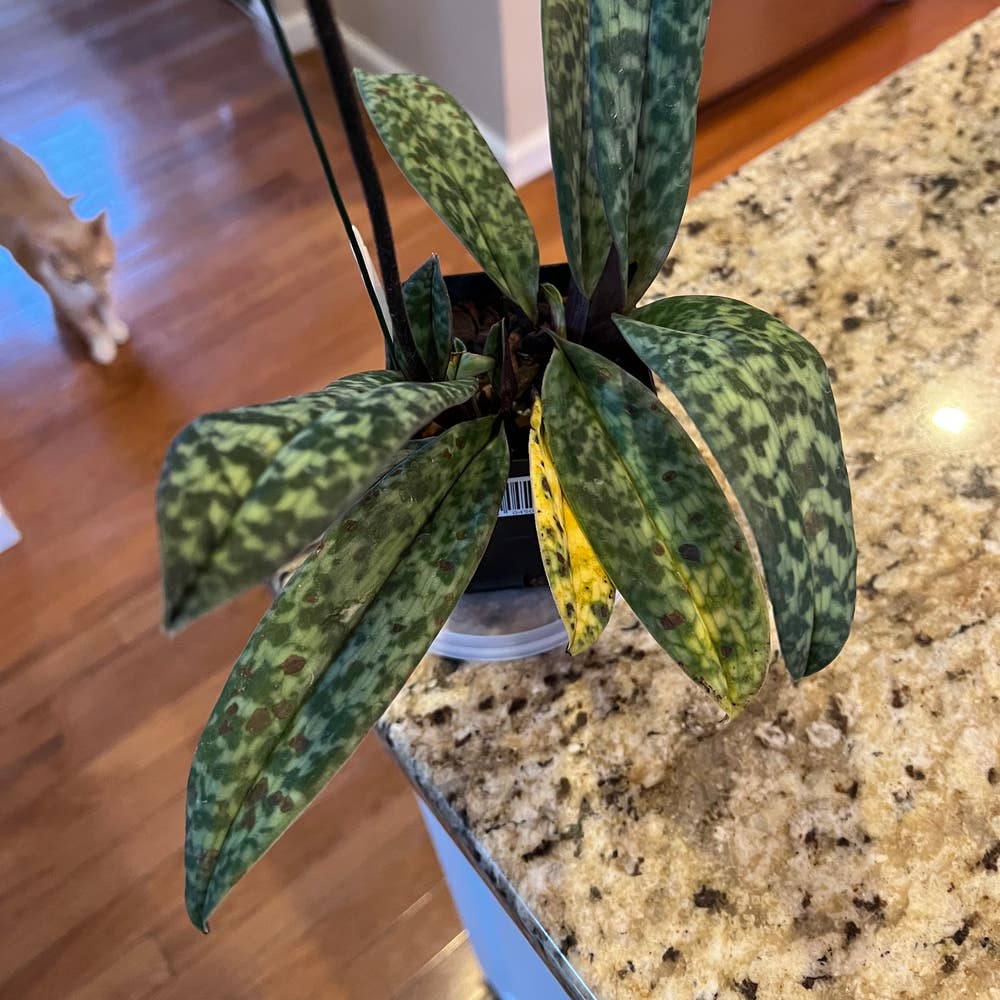
🐛 What To Do About Bugs on My Paphiopedilum venustum?
Paphiopedilum venustum
By the Greg Editorial Team
Mar 06, 2024•4 min read
This article was created with the help of AI so we can cover more plants for you. May contain errors. See one? Report it here.
- Identify pests like spider mites, scale, and mealybugs by unique signs.
- Use water sprays, soaps, oils, and beneficial insects for control.
- Prevent infestations with quarantine, cleanliness, and environmental management.
Spot the Invaders: Identifying Common Pests
🕷️ Spider Mites
Tiny but destructive, spider mites can turn your Paphiopedilum venustum's leaves into their personal buffet. Look for telltale webbing and a speckled appearance on the foliage, a sign they've been feasting.
🐞 Scale
These pests are masters of disguise, appearing as innocuous bumps on your plant. Sticky honeydew and sooty mold are the giveaways. Check the undersides of leaves and stems; that's where they like to hang out.
🦟 Fungus Gnats and Fruit Flies
Annoyingly similar, these flying pests can be told apart by their behavior and where you find them. Fungus gnats love overwatered soil and their larvae thrive there, while fruit flies are more likely to hover around your plant without such a preference.
🐛 Mealybugs
If your plant looks like it's been in a snow globe, you might have mealybugs. They leave a cottony residue and love to hide in nooks and crannies. Check leaf axils and under leaves for these fluffy fiends.
Bug Busters: Remedies for Each Pest
🕷️ Spider Mites
Water sprays can knock spider mites off their feet, literally. For a more persistent infestation, neem oil or insecticidal soaps are your allies. Apply thoroughly; these critters are clingy.
🦠 Scale
Start with a manual approach: scrape off scale insects with a toothpick or dab them with alcohol. If they're stubborn, insecticidal soaps can help. Systemic pesticides are the big guns—use as a last resort.
🦟 Fungus Gnats and Fruit Flies
Sticky traps can snag adult gnats and flies. To stop the next generation, let the soil dry out or introduce nematodes to target the larvae.
🐞 Mealybugs
Alcohol swabs are the first strike against mealybugs. For a larger infestation, insecticidal soaps or horticultural oils are your next line of defense. Consider beneficial insects like ladybugs as natural allies in this fight.
Prevention is Key: Keeping Bugs at Bay
🛡️ Quarantine for New Plants
Quarantine isn't just for sick days; it's essential for your Paphiopedilum venustum's health. New plants can be Trojan horses, smuggling in an army of pests. Isolate them for at least a month. It's not being paranoid; it's being proactive.
🧼 Cleanliness and Care
A clean plant is a fortress. Wipe down leaves to kick dust and potential pest hideouts to the curb. Make regular inspections a ritual; like a hawk, scrutinize every nook and cranny. Catching a pest early is like dodging a bullet.
🌬️ Environmental Control
Humidity and airflow aren't just climate words; they're your pest prevention pals. Strike the right balance and pests won't stick around. Use a fan or place your plant in a breezy spot, but avoid drafty no-go zones. It's about creating an environment that says, "Pests not welcome."
Remember, prevention is always better than cure. Keep your Paphiopedilum venustum clean, quarantined when necessary, and in the right environment to avoid the bug battle altogether.
When Pests Persist: Advanced Control Strategies
🛡️ Integrated Pest Management (IPM)
Integrated Pest Management (IPM) isn't just a fancy acronym; it's your plant's personal bodyguard. It's about combining tactics for a robust defense. Start by identifying the pests and their patterns. Then, monitor like a hawk and establish action thresholds. The goal? To tackle pests with the minimal environmental impact.
🌱 Cultural Practices
Rotate your pest control tactics like you're dodging spoilers for the latest TV show. Keep the pests on their toes with cultural strategies like crop rotation, resistant varieties, and proper sanitation. It's like changing your passwords regularly but for plants.
🛠️ Mechanical and Physical Controls
Get hands-on with physical interventions. If you see a bug, show it the door with a good squish. Set up barriers and traps like you're planning a surprise party and the pests aren't invited.
🐞 Biological Controls
Recruit an army of beneficial insects. These guys are the bouncers at the club, keeping the riff-raff out. They're nature's way of saying, "Not in my house!"
☣️ Chemical Controls
When you've got to bring in the big guns, opt for the least toxic pesticides first. Think insecticidal soaps and neem oil. Only level up to harsher chemicals as a last resort, and always read the label like it's a top-secret dossier.
👩🔬 Professional Help
If you're outgunned, call in the experts. They're like the special forces of pest control. A professional can offer tailored advice, saving your Paphiopedilum venustum from the brink of destruction. Plus, they can help refine your IPM strategy, so you're prepped for the next battle.
📞 When to Call
If your plant is on its last leg and you've tried every trick in the book, it's time to dial for help. Don't let pride get in the way of your plant's survival.
⚠️ Safety First
This content is for general information and may contain errors, omissions, or outdated details. It is not medical, veterinary advice, or an endorsement of therapeutic claims.
Always consult a qualified healthcare professional before using any plant as food, medicine, or supplement.
Never eat any plant (or feed one to pets) without confirming its identity with at least two trusted sources.
If you suspect poisoning, call Poison Control (800) 222-1222, the Pet Poison Helpline (800) 213-6680, or your local emergency service immediately.
Spotted an error? Please report it here.
Keep your Paphiopedilum venustum bug-free 🐞 with Greg's tailored care reminders for early detection and gentle, effective pest management.