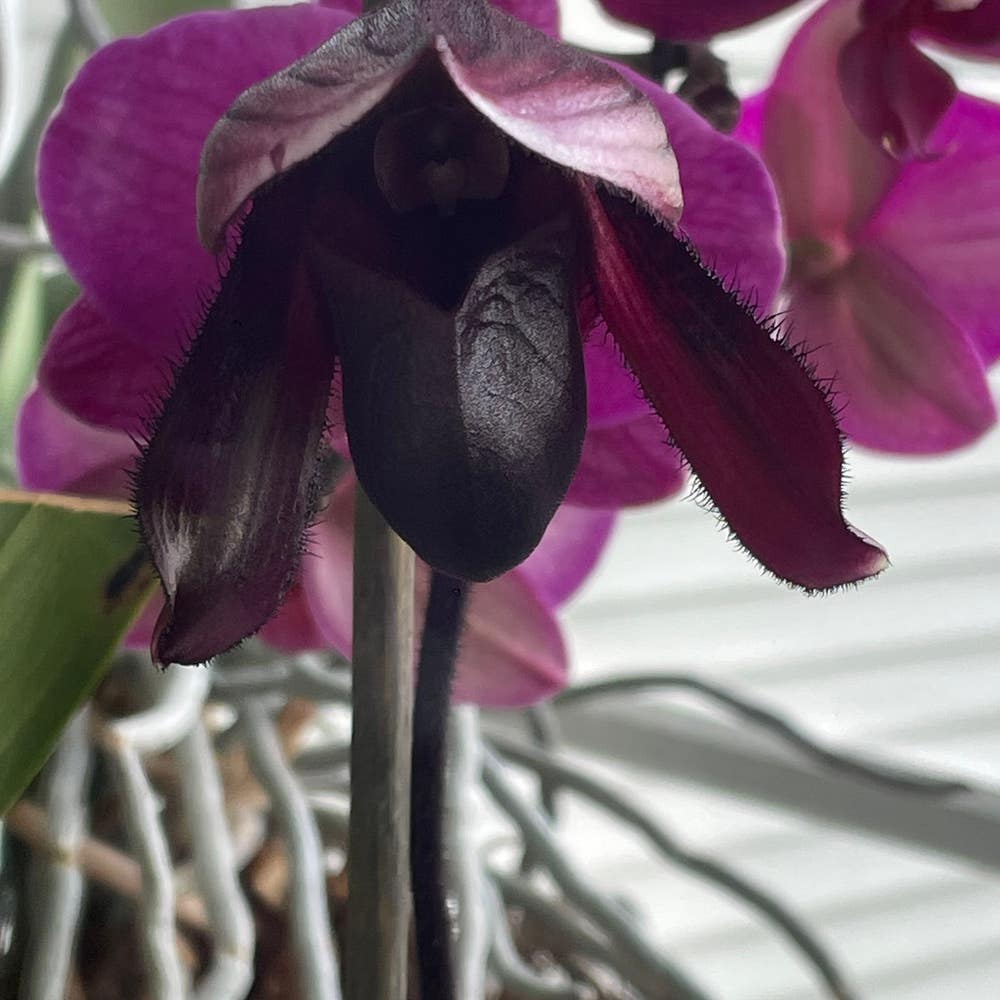
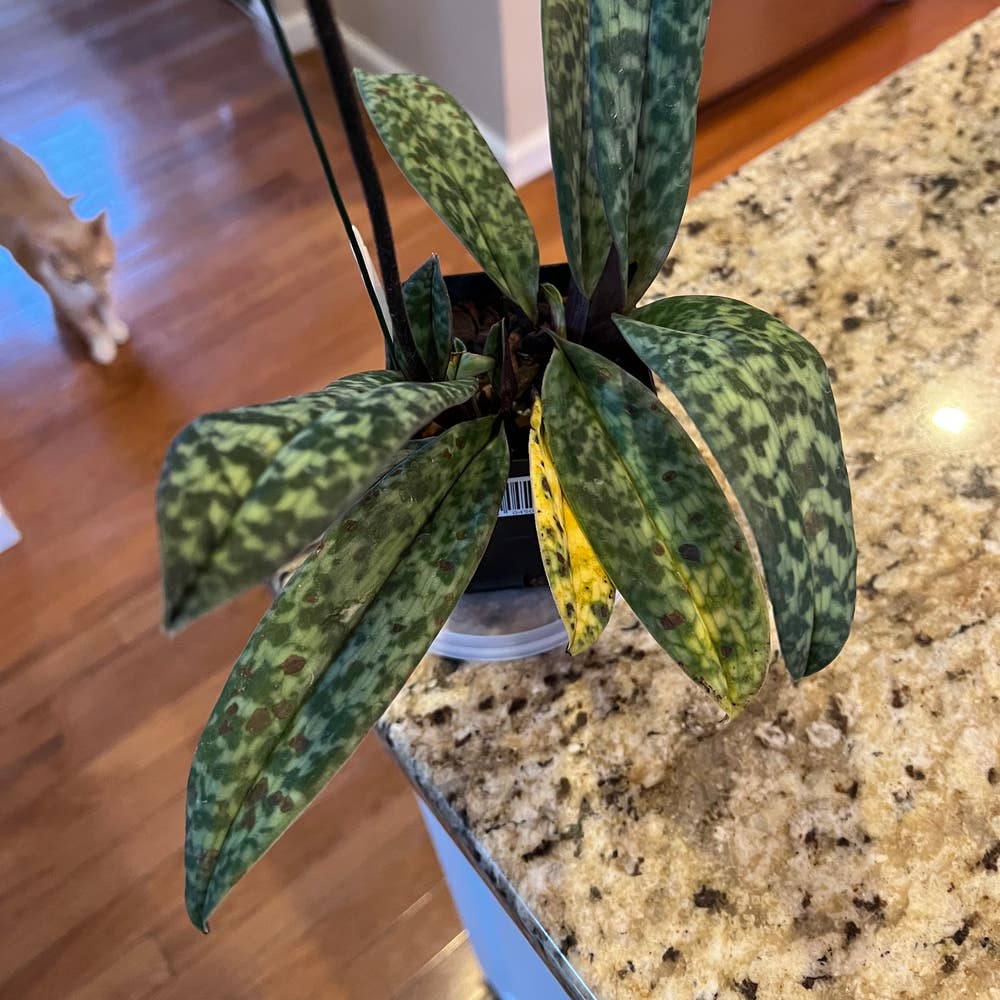
🌺 9 Secrets to Successfully Grow Venus Slipper Orchid
Paphiopedilum venustum
By the Greg Editorial Team
Oct 02, 2024•5 min read
This article was created with the help of AI so we can cover more plants for you. May contain errors. See one? Report it here.
- 🌞 Optimal growth requires indirect sunlight; choose a controlled indoor or shaded outdoor spot.
- 🌱 Use a well-draining mix: 50% bark, 30% perlite, 20% sphagnum for Venus Slipper Orchids.
- 💧 Water every 7-10 days; bottom watering prevents crown rot and ensures healthy roots.
Cultivation Techniques
Choosing the Right Location 🌍
Selecting the right location for your Venus Slipper Orchid is crucial for its growth. Indoor environments offer controlled humidity and temperature, making them ideal for these delicate plants.
Conversely, if you opt for outdoor cultivation, ensure you choose a shaded area with indirect sunlight. This balance helps mimic their natural habitat, promoting healthy growth.
Soil Preparation and Potting Mix Recommendations 🪴
Soil preparation is key to preventing overwatering, which can be detrimental. A well-draining potting mix is essential for the health of your orchid.
For the best results, consider a mix of:
- 50% bark chips
- 30% perlite
- 20% sphagnum moss
This combination provides the right aeration and moisture retention, creating an optimal environment for your orchid.
Planting Techniques 🌱
When planting your Venus Slipper Orchid, pay attention to the depth. Ensure the crown of the plant sits above the soil line to prevent rot.
Additionally, choose a container that allows for growth without being excessively large. This helps maintain the right moisture levels and supports healthy root development.
With these cultivation techniques in mind, you’re well on your way to nurturing a thriving Venus Slipper Orchid. Next, let’s dive into the essential aspects of watering and fertilizing to keep your plant flourishing.
Watering and Fertilizing
💧 Watering Frequency and Methods
To keep your Venus Slipper Orchid thriving, establish a watering schedule of every 7-10 days. Allow the top inch of soil to dry out between waterings to prevent overwatering.
Watering from the bottom is the best method to avoid crown rot. Using distilled or rainwater will yield optimal results, ensuring your orchid receives the purest hydration.
🌱 Best Fertilizers for Orchids
For fertilizing, a balanced orchid fertilizer with a ratio of 30-10-10 is recommended during the growing season. Always dilute it to half strength to prevent nutrient burn, which can harm your plant.
🍽️ Nutrient Requirements and Feeding Schedule
Feed your orchid every 2-4 weeks during its active growth phase. Essential nutrients include nitrogen, phosphorus, potassium, and trace minerals, all crucial for healthy development.
By following these watering and fertilizing guidelines, you'll set your Venus Slipper Orchid on a path to vibrant growth. Next, let’s explore pruning and maintenance techniques to keep your orchid in top shape.
Pruning and Maintenance
Pruning Techniques for Healthy Growth 🌱
To keep your Venus Slipper Orchid thriving, start by removing any dead or yellowing leaves. This simple step promotes airflow and helps prevent disease.
After blooming, cut back spent flower spikes to the base. This encourages new growth and keeps your plant looking tidy.
Ongoing Care Routine 📅
Regularly check humidity levels, aiming for a range of 50-70%. Maintaining this balance is crucial for your orchid's health.
Also, monitor temperature fluctuations closely. Adjust as needed to ensure your plant remains comfortable and stress-free.
Signs of Stress and How to Address Them ⚠️
Watch for yellowing leaves, which often indicate overwatering or a nutrient deficiency. Address these issues promptly to restore your orchid's vitality.
If you notice wilting, it’s time to check for root rot or insufficient watering. Quick action can save your plant from further decline.
By staying attentive to these care routines and signs of stress, you'll foster a healthy environment for your Venus Slipper Orchid to flourish. Next, let’s explore common challenges and solutions to keep your orchid thriving.
Common Challenges and Solutions
🐛 Identifying and Managing Pests and Diseases
Growing Venus Slipper Orchids can be rewarding, but pests can pose a significant challenge.
Common pests include:
- Mealybugs: Look for white cotton-like masses on leaves.
- Spider mites: Check for fine webbing and stippled leaves.
To manage these pests, use control methods such as neem oil or insecticidal soap. Regular inspections are essential to catch infestations early.
🌱 Troubleshooting Common Growth Issues
Sometimes, your orchid may not bloom as expected.
Poor blooming can indicate insufficient light or a nutrient imbalance.
If you notice leaf drop, it often signals stress from temperature fluctuations or overwatering. Address these issues promptly to keep your plant thriving.
🌦️ Seasonal Care Adjustments
Seasonal changes require adjustments in care.
During winter, reduce watering frequency and maintain stable temperatures to prevent stress.
In summer, increase humidity and keep a close eye on pests, as they tend to thrive in warmer conditions.
By staying proactive, you can ensure your Venus Slipper Orchid remains healthy and vibrant throughout the year.
Next, let's explore the differences between container and outdoor growing to find the best fit for your orchids.
Container vs. Outdoor Growing
🌱 Benefits of Container Growing
Growing Venus Slipper Orchids in containers offers significant advantages. You can easily control soil conditions and moisture levels, ensuring your plants thrive.
Container growing also provides flexibility in location and light exposure. You can move your orchids to optimize their sunlight intake or protect them from harsh weather.
🌳 Best Practices for Outdoor Cultivation
When cultivating outdoors, selecting the right spot is crucial. Choose a shaded area that allows for good air circulation to keep your orchids healthy.
Additionally, using mulch can be beneficial. It helps retain moisture and regulates soil temperature, creating a stable environment for your plants.
🌦️ Environmental Considerations for Both Methods
For indoor growing, maintaining adequate humidity is essential. Avoid drafts to create a cozy atmosphere for your orchids.
On the other hand, outdoor growers must be vigilant. Protect your orchids from extreme weather conditions and pests to ensure their continued health and vibrancy.
Transitioning between container and outdoor growing can be seamless with the right practices. Understanding these methods will empower you to nurture your Venus Slipper Orchids effectively.
⚠️ Safety First
This content is for general information and may contain errors, omissions, or outdated details. It is not medical, veterinary advice, or an endorsement of therapeutic claims.
Always consult a qualified healthcare professional before using any plant as food, medicine, or supplement.
Never eat any plant (or feed one to pets) without confirming its identity with at least two trusted sources.
If you suspect poisoning, call Poison Control (800) 222-1222, the Pet Poison Helpline (800) 213-6680, or your local emergency service immediately.
Spotted an error? Please report it here.
Grow your Venus Slipper Orchid flawlessly 🌺 with Greg's personalized care tips and watering reminders, ensuring it thrives in the perfect environment!