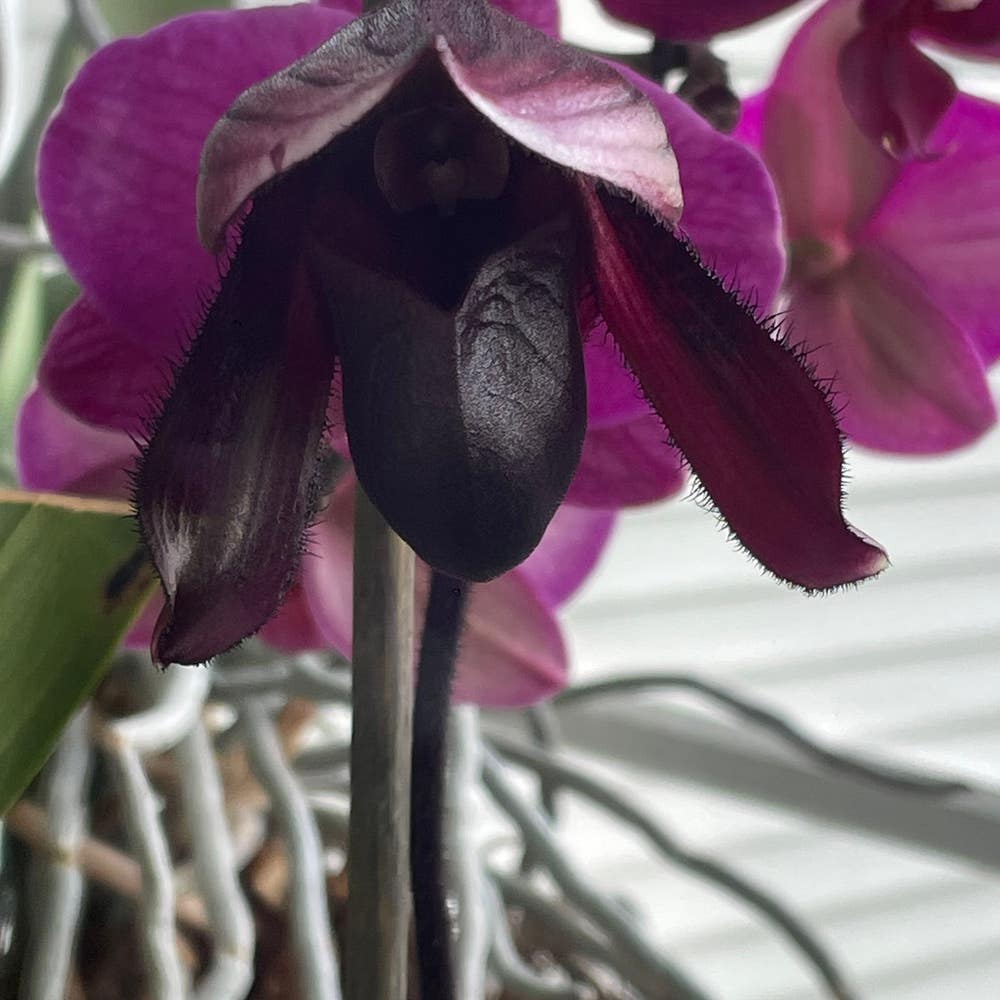
How Can You Tell If A Paphiopedilum venustum Is Dying?
Paphiopedilum venustum
By the Greg Editorial Team
Mar 06, 2024•5 min read
This article was created with the help of AI so we can cover more plants for you. May contain errors. See one? Report it here.
- Wilting and discoloration signal Paphiopedilum venustum distress.
- Root health is key; brown, mushy roots mean root rot.
- Balance water and light, avoid over-watering and provide bright indirect sunlight.
Spotting Trouble: Key Symptoms of Distress
🚩 Wilting, Yellowing, and Discoloration
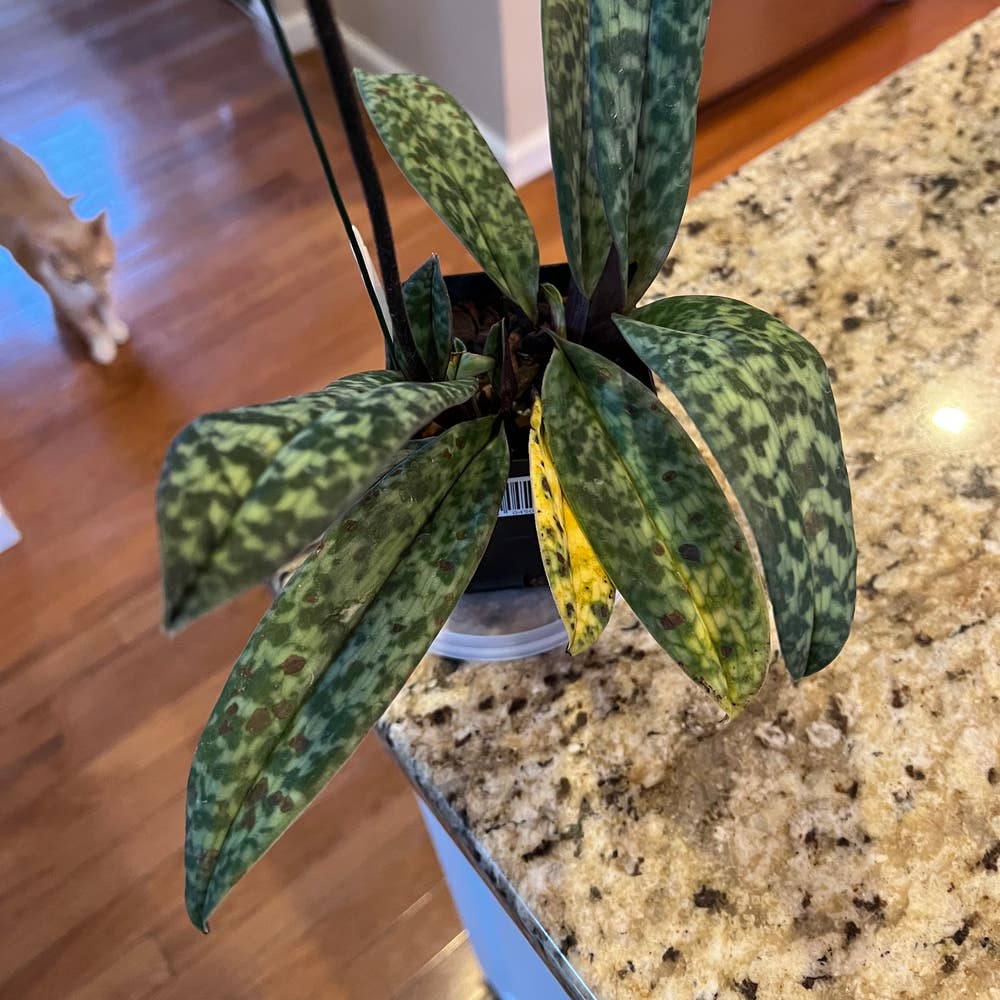
Wilting in Paphiopedilum venustum is like a plant's white flag of surrender—it's a clear sign that something's off. Yellowing, especially of the lower leaves, often points to overwatering or poor drainage. Discoloration can indicate light issues or nutrient deficiencies. If you spot these, reassess your watering habits and consider a nutrient boost.
🔍 Spots, Blemishes, and Deformities
Spots and blemishes on leaves are like the plant's version of a distress flare. Brown or black spots may signal a fungal infection, while soft, watery spots could mean bacterial trouble. Deformities, like twisted or curled leaves, often suggest pest infestations. Inspect closely and treat promptly to prevent spread.
🌱 Root Health Check-Up
To check root health, gently remove the plant from its pot. Healthy roots should be firm and white. If they're brown and mushy, you're likely dealing with root rot. Foul odor? That's another red flag. If the roots are in bad shape, trim the damaged parts and repot in fresh, well-draining media.
Water Woes: Over and Under-Watering
💧 Over-watering Hazards
Yellow leaves and limp stems are telltale signs your Paphiopedilum venustum might be drowning in excess water. If the soil feels like a wet sponge, it's time to cut back.
Root rot can sneak up on you, so check for black or mushy roots. If you find them, it's surgery time—trim the damaged parts and let the soil dry out.
💦 Under-watering Signs
When your plant's leaves droop like they've given up on life, it's a cry for hydration. Bone-dry soil is a clear indicator you've been stingy with the watering can.
Crispy leaf edges? That's your orchid's way of saying it's as parched as a desert. Time to quench that thirst, but don't overdo it—moderation is key.
Pests love stressed plants, so if you see critters, consider if your watering habits are to blame. Adjust your routine to meet your plant's needs, and keep an eye out for improvement.
Light and Temperature: Finding the Sweet Spot
🌞 Too Much Sun, Too Little Light
Bright, indirect sunlight is the mantra for your Paphiopedilum venustum. Direct rays can lead to the dreaded leaf scorch, while a lack of light results in a dull, faded appearance. To prevent this, position your plant where it can bask in the morning or evening sun without the harsh midday glare.
Rotate your plant periodically to ensure even exposure. If you're dealing with a dimly lit room, consider a grow light, but introduce it gradually to avoid shocking your green companion.
🌡️ Temperature Tumbles and Spikes
Your Paphiopedilum venustum doesn't appreciate dramatic temperature changes any more than you enjoy unexpected plot twists in your favorite series. Aim to maintain a steady indoor temperature, steering clear of drafts and direct heat sources.
Seasonal shifts can be tricky, but your plant's comfort zone is a stable environment that mimics a mild spring day. Watch for signs of stress, like wilting or curling leaves, which suggest your plant is not in its happy place temperature-wise.
Uninvited Guests: Pests and Pathogens
🐜 Pests on Patrol
Aphids, spider mites, and mealybugs are the uninvited guests that can turn your Paphiopedilum venustum into a feast. These pests suck the life out of your plant, leaving a sticky residue called honeydew, which can lead to sooty mold.
To evict them, insecticidal soap or neem oil are your go-to solutions. For an eco-friendly approach, introduce predators like lady beetles or lacewings to your garden—they're nature's pest control.
🍄 Mold and Fungus Fighters
Fungal issues like powdery mildew and black spot signal your plant's health is under siege. Powdery mildew coats leaves with a ghostly film, while black spot punches dark marks through the foliage.
Airflow is your first line of defense—improve circulation to keep these fungal party crashers at bay. If they've already moved in, a fungicide might be necessary. Remember, it's not just about treating; it's about altering the environment to prevent future invasions. Keep your plant's area dry and breezy to be the ultimate gatekeeper against mold and fungus.
Root Rot: The Silent Killer
🚨 Recognizing Root Rot
Root rot is the silent saboteur of your Paphiopedilum venustum, often going unnoticed until it's too late. When your orchid's growth hits the brakes or the leaves feel like overripe fruit, it's time to investigate. Dark, slimy roots are a dead giveaway. If you catch a whiff of something akin to last week's laundry, that's another red flag.
🛡️ Prevention and Cure
🛡️ Prevention
Preventing root rot is about striking the right balance in your plant care routine. Well-draining soil is non-negotiable; your orchid's roots dislike a swampy environment as much as you would. Confirm your pot has drainage holes. Overwatering is the fast track to root rot, so let the soil dry out between waterings. It's like playing hydration hopscotch—jump between wet and dry, but don't soak the stone.
🩺 Cure
Caught early, root rot doesn't have to be a death sentence. It's time for plant surgery: remove your orchid from its pot and inspect the roots. Use sterilized shears to cut away the rotten parts—think of it as a botanical amputation. After the operation, repot in fresh, airy soil. Keep a close eye on your patient; proper ventilation and sunlight are key to recovery. Avoid over-fertilizing; it's like force-feeding a patient on life support. Remember, with root rot, vigilance is your best defense.
⚠️ Safety First
This content is for general information and may contain errors, omissions, or outdated details. It is not medical, veterinary advice, or an endorsement of therapeutic claims.
Always consult a qualified healthcare professional before using any plant as food, medicine, or supplement.
Never eat any plant (or feed one to pets) without confirming its identity with at least two trusted sources.
If you suspect poisoning, call Poison Control (800) 222-1222, the Pet Poison Helpline (800) 213-6680, or your local emergency service immediately.
Spotted an error? Please report it here.
Prevent root rot 🚫 and pests from claiming your Paphiopedilum venustum by using Greg's tailored reminders for watering and care, ensuring your orchid stays as healthy as it is beautiful.