Why Is My Paphiopedilum venustum Dropping Leaves?
Paphiopedilum venustum
By the Greg Editorial Team
Mar 06, 2024•6 min read
This article was created with the help of AI so we can cover more plants for you. May contain errors. See one? Report it here.
- 🍂 Leaf drop signals stress; intervention needed for Paphiopedilum venustum's health.
- 💧🌡️ Balance water, light, and temperature to mimic its natural habitat.
- 🌱 Soil and root care prevent rot and ensure proper growth.
Spotting the Signs: When Your Paphiopedilum venustum Is Unhappy
🍂 Identifying Early Signs of Leaf Distress
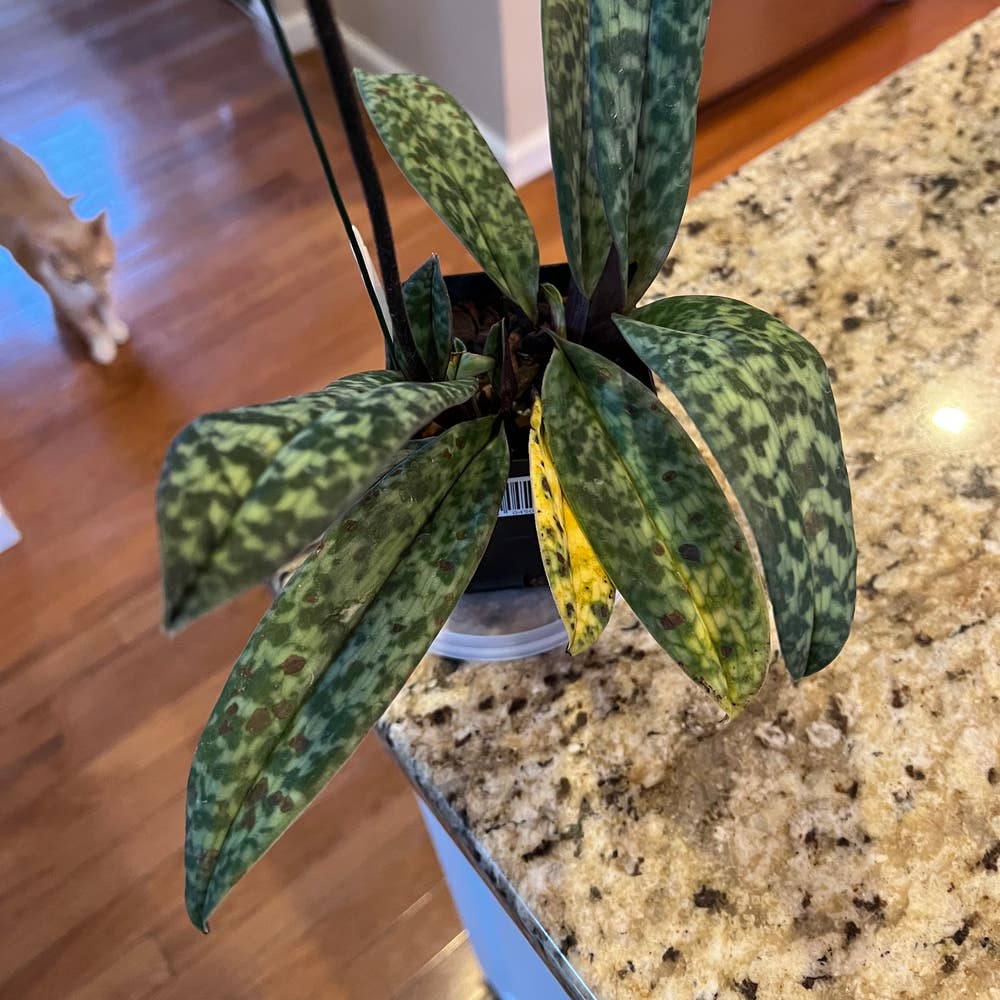
Leaf drop in Paphiopedilum venustum can be as subtle as a whisper or as loud as an alarm bell. Watch for leaves that turn yellow faster than a traffic light or wilt like they've lost their will to stand. These are cries for help, signaling that your plant is stressed and in need of intervention.
🔄 Understanding the Normal Lifecycle of Paphiopedilum venustum Leaves
It's natural for Paphiopedilum venustum leaves to age and drop, but it's the pace that tells the story. A leaf here and there, browning with dignity as it reaches old age, is part of the cycle. But when leaves fall like dominoes, it's time to play detective and scrutinize your care routine.
Light and Shadow Play: Finding the Balance
🌞 The Goldilocks Principle: Not Too Much, Not Too Little Light
Light is your Paphiopedilum venustum's best friend—when it's just right. Too much, and you're on a one-way trip to Crispy Leaf City; too little, and you're nurturing a shadow dweller that never truly thrives. It's all about the balance.
🔄 Practical Tips for Adjusting Your Orchid's Light Exposure
Rotate your plant regularly, like a rotisserie chicken, minus the roasting. This ensures all sides get their fair share of the spotlight. If your orchid's leaves start to look like they've seen a ghost—pale and spooked—it's time to dial down the sun.
🎯 Finding the Sweet Spot
Your home isn't a solarium, and that's okay. Place your orchid near a window draped with a sheer curtain for that perfect, diffused glow. Think of it as sunglasses for your plant—protection without missing out on the sunny days.
⏰ Light Duration: Timing Is Everything
Keep an eye on the clock. Your Paphiopedilum venustum isn't punching in for a 9-to-5, but it does need a consistent light schedule. Consistency is key. No need to chase the sun across the sky; find a spot that offers stability and stick to it.
💡 LED Grow Lights: The Indoor Sun
If your place is more cave than conservatory, consider LED grow lights. They're like a personal sun for your orchid, minus the risk of sunburn. Just remember, even artificial suns need a dimmer switch—don't overdo it.
🌓 The Shadow Test: A Simple Check
Use the shadow test to gauge light levels. If your orchid casts a shadow that's soft around the edges, you're golden. If it's sharp and defined, think solar eclipse—too intense. If there's hardly a shadow, you're in the dark ages of growth.
👀 Observation Is Key
Finally, be observant. Your orchid will tell you what it needs, no telepathy required. Leaves leaning in like they're trying to tell you a secret? They need more light. If they're bleaching out like old jeans, they've had their fill. It's all about reading the signs.
Water Woes: Striking the Right Moisture Level
💦 Overwatering: The Slippery Slope to Soggy Soil
Overwatering is the fast track to a plant's heartbreak. It's like giving your orchid a bath when it just needs a sip. Roots can't breathe underwater, and a Paphiopedilum venustum with waterlogged feet is a sad sight. Yellowing leaves? They're waving a white flag. Mushy roots? That's the silent scream of distress.
🏜️ Underwatering: A Thirsty Plant's Plea
On the flip side, underwatering turns your vibrant plant into a wilted wallflower. Droopy leaves and a crumbly soil texture are your orchid's way of telling you it's parched. Ignore these cries for help, and you'll be left with a plant that's more stick than spectacle.
👆 The Touch Test: Your Go-To Gauge
Forget the guesswork. Dive a finger into the soil. If the top inch feels like a desert, it's time to water. But hold your horses if it's damp. You're aiming for a moist middle ground—not a swamp, not a sandbox.
📏 Moisture Meters: The Plant Whisperer's Tool
For those who love a gadget, moisture meters are your new best friend. They'll tell you exactly when to water, taking the mystery out of moisture levels. It's like having a plant therapist on speed dial.
🌦️ Seasonal Shifts: Watering with Wisdom
Plants aren't static; they're as dynamic as your social calendar. When the sun's blazing, they drink like there's no tomorrow. Come winter, they're all about that cozy, low-sip lifestyle. Adjust your watering to match their seasonal vibe.
🔄 Consistency is Key: Establishing a Routine
Like a well-oiled machine, a consistent watering schedule keeps your orchid in tip-top shape. But don't be a slave to the calendar. Watch your plant, not the days, and give it a drink when it's thirsty. It's about rhythm, not routine.
🚰 The Goldilocks Principle: Just Right
When you water, do it with purpose. A gentle soak lets the water reach the roots without causing a flood. Allow the excess to drain because nobody likes wet feet, not even your orchid. It's about finding that sweet spot—consistent moisture without the drama.
Climate Control: Mimicking the Paphiopedilum venustum's Natural Habitat
🌡️ Temperature Tips: Keeping Your Orchid Cozy
Paphiopedilum venustum thrives in intermediate temperatures. It's not a fan of extreme heat or cold, so think of its comfort zone as a spring day, not a summer scorcher or winter freeze. During the day, aim for a cozy 70-80°F and at night, a slight dip to 55-65°F encourages healthy growth. These are not strict rules but guidelines; your orchid might tolerate a bit more variation, but don't push your luck.
💦 Humidity Hacks: Ensuring Your Plant Doesn't Dry Out
Humidity is like the secret sauce for Paphiopedilum venustum. It craves moisture in the air, but not to the point of living in a sauna. 40-50% humidity is the sweet spot, and there's no need for misting, which can be a mold invite. Instead, set up a pebble tray with water beneath the plant or use a humidifier to keep the air just moist enough. If you're in a dry area, grouping plants together can create a mini ecosystem of moisture. Remember, gadgets like hygrometers are not just for show; they're your backstage pass to ensuring the humidity is always on point.
The Groundwork: Soil and Roots Matter
🌱 Choosing the Right Potting Mix
The potting mix is the unsung hero in your Paphiopedilum venustum's life. Get it right, and you're a step closer to orchid nirvana. Aim for a mix that's moisture-retentive yet drains like a dream. A concoction of bark, coconut husk, and perlite could be your ticket. Consistency is key; stick to one mix to master your watering game. Remember, the mix should hold up for a good two years before your orchid craves a change.
🌿 Root Health: Preventing Rot and Other Below-the-Surface Issues
Roots are the underground lifeline of your Paphiopedilum venustum. They detest being waterlogged, so ensure your pot has drainage holes. Think of the pot size as a cozy studio apartment for the roots—snug but not squished. Repotting should be on your calendar at least every two years, if not annually. It's like a spa day for your plant's roots, giving them fresh soil to thrive in and preventing the dreaded root rot. Keep an eye out for a mix that mirrors the airy yet moist conditions of a forest floor—because that's what your Paphiopedilum venustum's ancestors call home.
⚠️ Safety First
This content is for general information and may contain errors, omissions, or outdated details. It is not medical, veterinary advice, or an endorsement of therapeutic claims.
Always consult a qualified healthcare professional before using any plant as food, medicine, or supplement.
Never eat any plant (or feed one to pets) without confirming its identity with at least two trusted sources.
If you suspect poisoning, call Poison Control (800) 222-1222, the Pet Poison Helpline (800) 213-6680, or your local emergency service immediately.
Spotted an error? Please report it here.
Ensure your Paphiopedilum venustum thrives 🌿 with Greg's tailored care plan, offering precise watering schedules and light monitoring to prevent leaf drop.