🌺 How Long Your Venus Slipper Orchid Will Live
Paphiopedilum venustum
By the Greg Editorial Team
Oct 02, 2024•6 min read
This article was created with the help of AI so we can cover more plants for you. May contain errors. See one? Report it here.
- 🌱 Germination takes 3-6 months, influenced by temperature, moisture, and light conditions.
- 🌼 Venus Slipper Orchids can thrive for decades with optimal care and conditions.
- 🌞 Indirect light and humidity are crucial for healthy growth and longevity.
Germination Stage
🌱 Duration of Germination
Germination for the Venus Slipper Orchid typically takes about 3 to 6 months. This timeframe can vary based on several factors, including temperature, moisture, and light conditions.
🌿 Conditions Required for Successful Germination
To ensure successful germination, specific mycorrhizal fungi play a crucial role. These fungi form a symbiotic relationship with the seeds, aiding in nutrient absorption.
Ideal Temperature Range
The ideal temperature for germination falls between 20°C to 25°C (68°F to 77°F). Maintaining this range is essential for optimal growth.
Moisture Requirements
Consistent humidity is vital, but be cautious of waterlogging. The seeds thrive in a moist environment without being submerged.
Light Conditions
Indirect light is the best for germination. Too much direct sunlight can hinder the process, so aim for a bright but filtered light source.
Understanding these conditions can significantly enhance your success in growing Venus Slipper Orchids. With the right environment, you'll be well on your way to nurturing these beautiful plants.
Next, we’ll explore the seedling stage and what to expect as your orchid begins to grow.
Seedling Stage
Length of the Seedling Stage 🌱
The seedling stage of the Venus Slipper Orchid lasts anywhere from 6 months to 2 years. This duration largely depends on the specific conditions in which the seedlings are grown.
Key Characteristics of Seedlings 🌿
Seedlings typically reach a height of 2-4 inches during this stage. Their initial leaves are small and narrow, which is a crucial adaptation for their early development.
Root Development 🌍
Healthy root systems are vital for future growth. Strong roots not only anchor the plant but also enhance nutrient uptake, setting the foundation for a thriving orchid.
As the seedlings mature, they will transition into the vegetative growth stage, where their development continues to evolve. This progression is essential for the overall health and longevity of the Venus Slipper Orchid.
Vegetative Growth Stage
Duration of Vegetative Growth 🌱
The vegetative growth stage of the Venus Slipper Orchid typically lasts between 1 to 3 years. This duration can vary significantly based on the specific species and the environmental conditions they are exposed to.
Changes in Plant Structure and Health 🌿
During this stage, you'll notice the plant developing larger leaves and thicker stems. These changes are crucial as they enhance the plant's ability to photosynthesize and support its overall health.
Root System Expansion 🌍
A robust root system is vital for nutrient uptake. As the roots expand, they establish a strong foundation that supports the plant's growth and prepares it for future stages.
This stage sets the groundwork for the orchid's flowering phase, where all the hard work in vegetative growth pays off. Understanding these changes can help you provide better care and ensure your Venus Slipper Orchid thrives.
Flowering Stage
Timeframe for Flowering 🌸
The Venus Slipper Orchid typically begins to flower between 2 to 5 years after germination. This timeframe can vary significantly based on species, care practices, and environmental conditions.
Description of Flowering Process 🌼
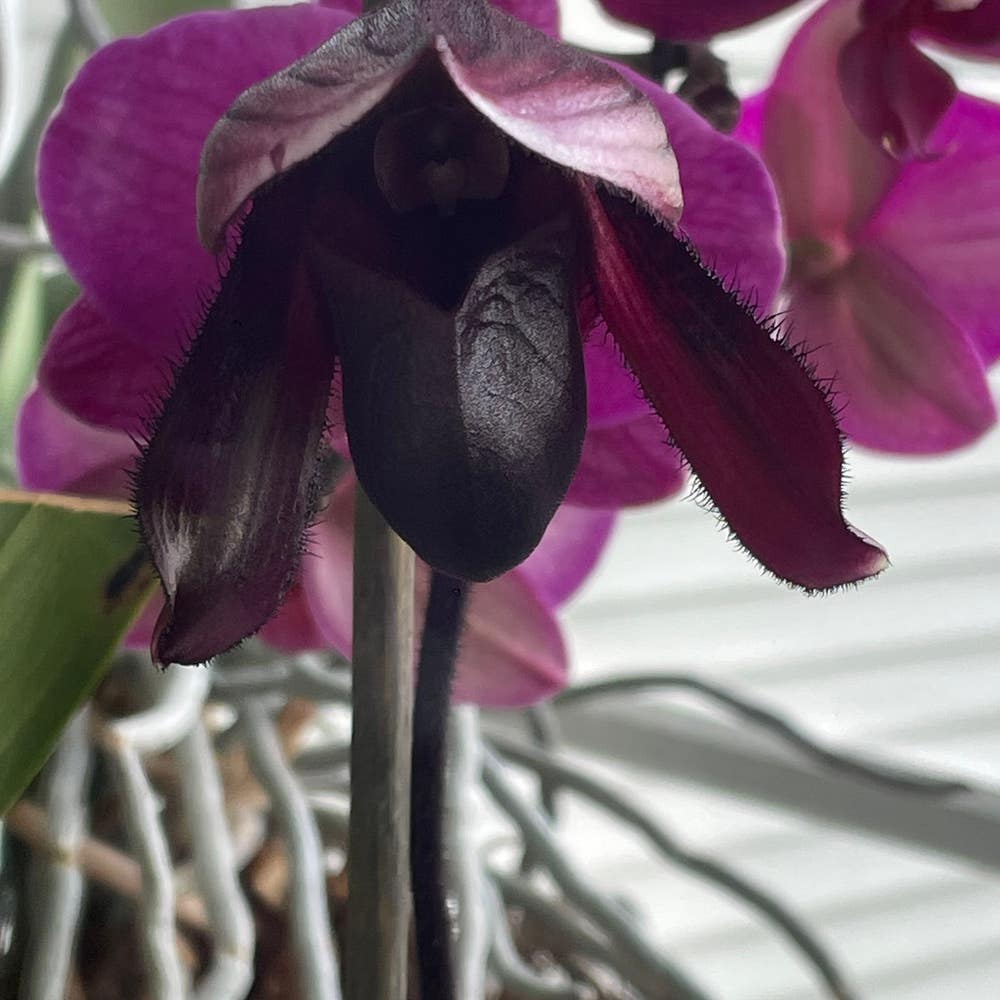
The flowering process is a captivating journey. It starts with the development of buds, which gradually open to reveal the stunning blooms characteristic of the Venus Slipper.
These flowers are not just beautiful; they have unique features that set them apart. Their intricate shapes and vibrant colors attract attention, making them a favorite among orchid enthusiasts.
Pollination and Its Significance 🐝
Pollination is a crucial aspect of the Venus Slipper Orchid's life cycle. These orchids have evolved specific mechanisms to attract particular pollinators, ensuring successful reproduction.
The significance of pollination extends beyond just seed production. It plays a vital role in maintaining genetic diversity, which is essential for the health of the species.
Understanding the flowering stage of the Venus Slipper Orchid not only highlights its beauty but also emphasizes the importance of care and environmental factors in its growth. As we move on, let’s explore the reproductive cycle and seed production, which are equally fascinating aspects of this orchid's life.
Reproductive Cycle and Seed Production
Duration of the Reproductive Cycle 🌱
The reproductive cycle of the Venus Slipper Orchid typically spans 6 to 12 months from flowering to seed maturation. This timeframe can vary based on environmental conditions and care practices.
Seed Production Process 🌼
Once flowering occurs, the orchid begins forming seed pods. This process can take several months, requiring specific conditions like adequate moisture and temperature.
Seed dispersal is fascinating, as it can happen through natural processes or human-assisted methods. In nature, wind and animals play a role in spreading seeds, while gardeners can help by collecting and distributing them.
Lifespan of Seeds and Their Germination Potential 🌿
The viability of seeds is crucial for successful propagation. Factors such as temperature, humidity, and storage conditions significantly affect seed longevity.
Germination rates also depend on these conditions. Providing the right environment can enhance the chances of successful propagation, ensuring the continuation of this beautiful species.
Understanding the reproductive cycle and seed production of the Venus Slipper Orchid not only enriches your gardening knowledge but also deepens your appreciation for these remarkable plants. Next, we’ll explore the overall lifespan of the Venus Slipper Orchid and what influences its longevity.
Overall Lifespan of Venus Slipper Orchid
Average Lifespan in Optimal Conditions 🌱
The Venus Slipper Orchid can thrive for decades when provided with the right conditions. This longevity makes it a cherished addition to any orchid collection.
Factors Affecting Longevity 🌡️
Several factors influence the lifespan of these stunning plants. Key environmental conditions include temperature, humidity, and light exposure, all of which must be carefully managed.
Proper care practices are equally crucial. Regular watering and appropriate fertilization can significantly extend the life of your orchid, ensuring it remains vibrant and healthy.
Notable Changes Throughout the Plant's Life 🌼
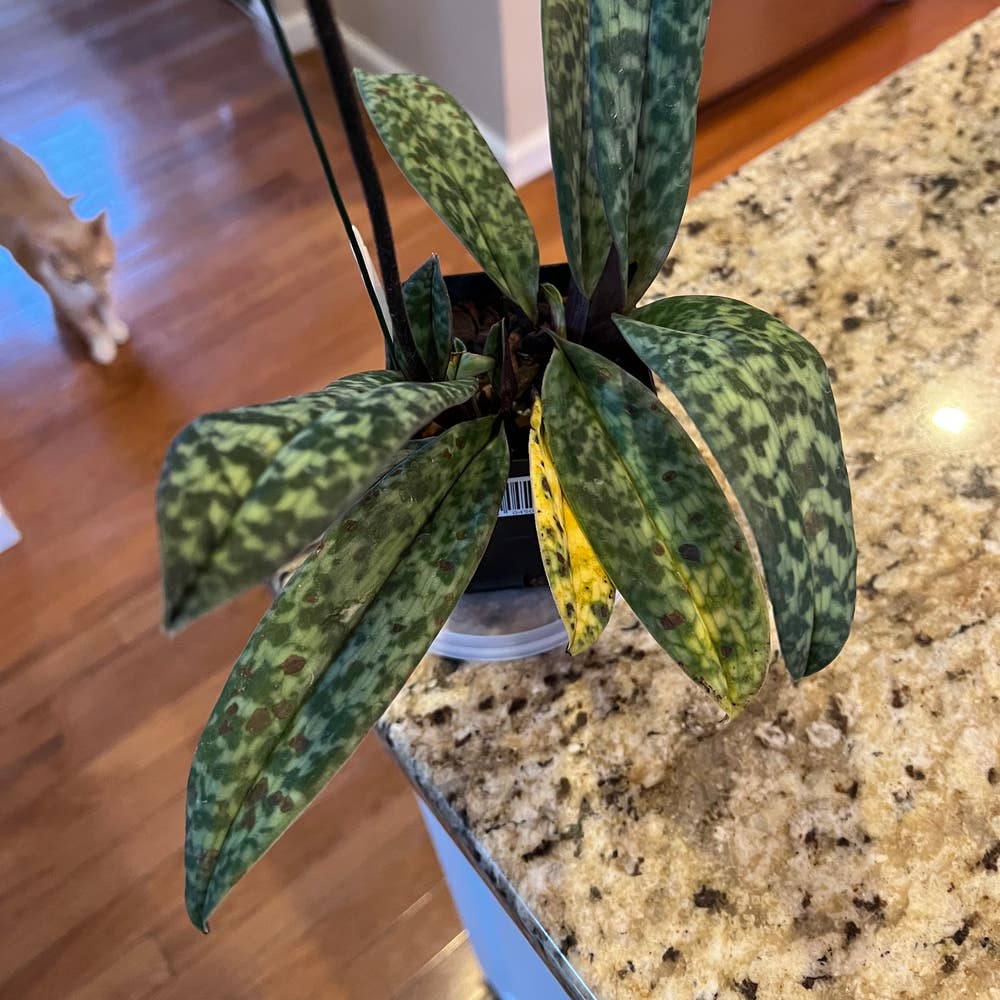
As the Venus Slipper Orchid matures, it undergoes notable transformations. The transition from seedling to mature plant is marked by increased size and leaf development.
Flower production also evolves over time. Initially, the plant may produce fewer flowers, but as it ages, the quantity and quality of blooms typically improve.
Aging impacts growth rates and reproductive capabilities as well. Understanding these changes can help you provide the best care throughout the orchid's life cycle.
In summary, nurturing your Venus Slipper Orchid with attention to its needs can lead to a long and fruitful life. Next, we’ll explore the fascinating reproductive cycle and seed production of this remarkable plant.
⚠️ Safety First
This content is for general information and may contain errors, omissions, or outdated details. It is not medical, veterinary advice, or an endorsement of therapeutic claims.
Always consult a qualified healthcare professional before using any plant as food, medicine, or supplement.
Never eat any plant (or feed one to pets) without confirming its identity with at least two trusted sources.
If you suspect poisoning, call Poison Control (800) 222-1222, the Pet Poison Helpline (800) 213-6680, or your local emergency service immediately.
Spotted an error? Please report it here.
Unlock the secrets to your Venus Slipper Orchid's long-lasting beauty 🌸 with Greg's tailored care tips and reminders, ensuring it flourishes from germination to breathtaking blooms!