5 Winter Care Mistakes to Avoid with Venus Slipper Orchid 🥿
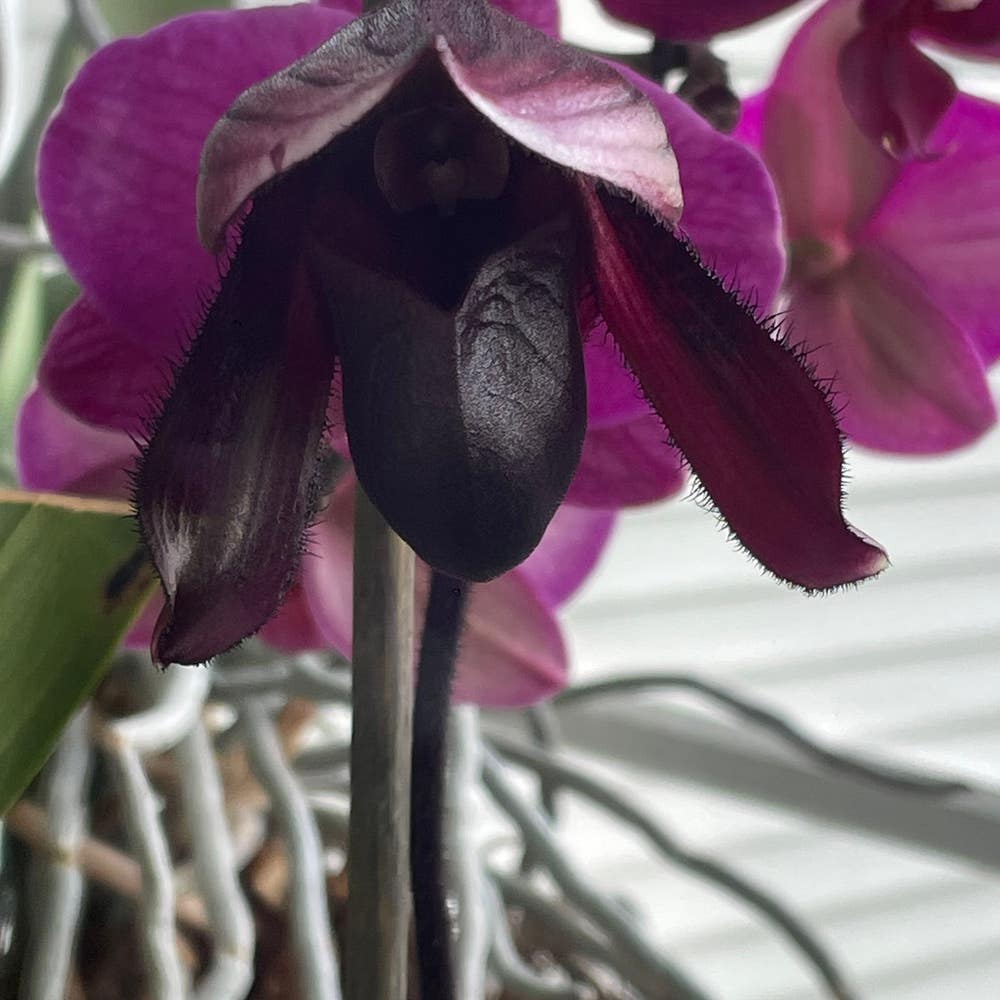
Paphiopedilum venustum
By the Greg Editorial Team
Oct 02, 2024•5 min read
This article was created with the help of AI so we can cover more plants for you. May contain errors. See one? Report it here.
- 💧 Water only when the top inch is dry to prevent root rot.
- 🌡️ Maintain humidity levels between 50-70% for optimal orchid health.
- ❄️ Protect from frost by moving pots to sheltered areas during winter.
Winter Care Requirements
🌊 Adjusting watering schedules during winter
During winter, it's crucial to adjust your watering routine. Water your Venus Slipper Orchid only when the top inch of the potting mix feels dry to the touch.
Avoid waterlogged conditions, as they can lead to root rot, a common issue for orchids. Always use room temperature water to prevent shocking the roots and ensure a smooth transition.
🥗 Modifying fertilizing practices for winter
Fertilization should also be modified during the colder months. Decrease the frequency to every 6-8 weeks instead of the usual monthly schedule.
Opt for a balanced, diluted orchid fertilizer to provide essential nutrients without overwhelming the plant. This helps prevent nutrient buildup in the potting mix, which can be detrimental during dormancy.
💧 Importance of humidity levels in winter care
Humidity plays a vital role in the health of your orchid during winter. Aim for a humidity range of 50-70% to keep your plant thriving.
To maintain these levels, consider using humidifiers, pebble trays, or grouping your plants together. A hygrometer can help you monitor humidity accurately, ensuring your Venus Slipper Orchid gets the care it needs.
By adjusting your watering, fertilizing, and humidity practices, you can set your orchid up for success this winter. Next, let’s explore how to protect your plant from frost damage.
Protection from Frost
🌨️ Identifying Frost Risks
Frost can be a sneaky enemy for your Venus Slipper Orchid. Look out for signs like wilting leaves, discoloration, and a mushy texture, which indicate frost damage.
Temperature is crucial; your orchid is vulnerable when temperatures drop below 15°C (59°F). Keeping an eye on the weather can save your plant from unnecessary stress.
🛡️ Methods for Providing Frost Protection
To protect your orchid outdoors, consider using frost cloths or moving pots to sheltered areas. These simple strategies can make a significant difference in keeping your plants safe.
Indoors, avoid placing your orchid near drafty windows or heating vents. This helps maintain a stable environment, crucial for your plant's health.
Acclimatization is key when transitioning your orchids back outside in spring. Gradually introduce them to outdoor conditions to prevent shock and ensure a smooth transition.
By being proactive about frost protection, you can help your Venus Slipper Orchid thrive even in the colder months. This sets the stage for a vibrant spring growth, which we’ll explore next.
Indoor Winter Care
🌡️ Optimal indoor temperature ranges
Maintaining the right temperature is crucial for your Venus Slipper Orchid. Aim for a cozy 18-24°C (65-75°F) during the day, allowing it to cool slightly at night.
Stable temperatures help prevent stress on the plant. Fluctuations can lead to unhealthy growth or even damage.
💡 Light requirements during winter months
Your orchid thrives in bright, indirect light during winter. Direct sunlight can scorch its delicate leaves, so be mindful of its placement.
Consider moving your plant closer to windows or using grow lights if natural light is limited. This ensures your orchid gets the light it needs to flourish.
🌱 Potting mix considerations for indoor care
A well-draining, bark-based potting mix is ideal for your orchid. This type of mix allows for proper aeration and moisture retention, essential for healthy roots.
Repotting every 1-2 years is important to check root health and refresh the potting mix. This simple step can make a significant difference in your plant's vitality.
As you care for your Venus Slipper Orchid indoors this winter, remember that each adjustment you make contributes to its overall health. With the right temperature, light, and potting mix, your orchid will be well-prepared for the upcoming spring growth.
Recovery from Winter Damage
Signs of winter damage 🌨️
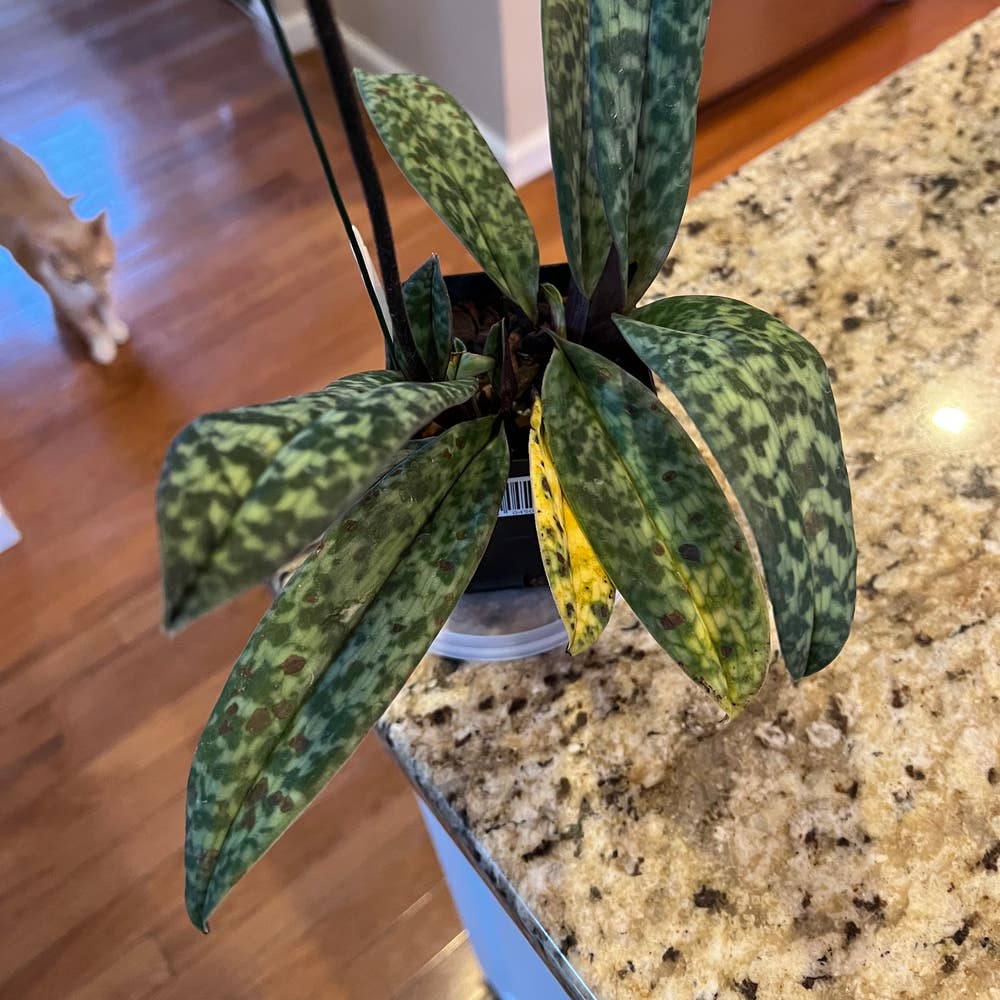
Identifying winter damage in your Venus Slipper Orchid is crucial for its recovery. Look for yellowing leaves, mushy roots, and stunted growth as key symptoms.
Early detection is essential to prevent further damage. The sooner you spot these issues, the better your chances of restoring your orchid's health.
Steps for recovery and care post-winter 🌱
- Assess the plant: Start by checking the roots and leaves for any signs of damage.
- Trim damaged parts: Use sterilized scissors to carefully remove any affected areas.
- Adjust care: Increase humidity levels and closely monitor your watering routine.
These steps will help your orchid bounce back and thrive after the harsh winter months.
Preparing for spring growth after winter dormancy 🌸
As winter fades, watch for signs of awakening in your orchid. New growth or leaf emergence indicates that your plant is ready to thrive again.
Gradually reintroduce regular care by increasing watering and fertilization as growth resumes. This gentle transition will support your orchid's revival and set the stage for a vibrant spring.
With these recovery strategies, your Venus Slipper Orchid will be well on its way to flourishing once again. Next, let’s explore how to transition care from winter to spring effectively.
Spring Preparation
Transitioning Care from Winter to Spring 🌱
As winter fades, it’s time to gradually increase your Venus Slipper Orchid's light exposure. Move it to brighter locations to ensure it receives the energy it needs for growth.
Adjust your watering and fertilizing schedules as well. Return to regular frequency to support the plant's awakening.
Signs That the Orchid Is Ready for Increased Care 👀
Keep an eye out for new growth, such as fresh leaves or flower spikes. These are clear indicators that your orchid is ready for more attention.
Monitor its overall health by checking for vibrant color and a firm texture. Healthy plants are more resilient and ready to thrive.
Fertilizing and Watering Adjustments for Spring Growth 🌼
Start a monthly feeding schedule with a balanced fertilizer to boost growth. This will provide essential nutrients as your orchid comes back to life.
Increase your watering frequency as the plant resumes active growth. Make sure the potting mix remains moist but not waterlogged to prevent root issues.
With these adjustments, your Venus Slipper Orchid will flourish as it transitions into the vibrant spring season. Next, we’ll explore how to recognize and respond to any signs of winter damage.
⚠️ Safety First
This content is for general information and may contain errors, omissions, or outdated details. It is not medical, veterinary advice, or an endorsement of therapeutic claims.
Always consult a qualified healthcare professional before using any plant as food, medicine, or supplement.
Never eat any plant (or feed one to pets) without confirming its identity with at least two trusted sources.
If you suspect poisoning, call Poison Control (800) 222-1222, the Pet Poison Helpline (800) 213-6680, or your local emergency service immediately.
Spotted an error? Please report it here.
Keep your Venus Slipper Orchid thriving this winter ❄️ by avoiding common care mistakes and letting Greg provide you with tailored reminders and tips for optimal growth!