Why Are My Paphiopedilum venustum Leaves Droopy?
Paphiopedilum venustum
By the Greg Editorial Team
Mar 06, 2024•3 min read
This article was created with the help of AI so we can cover more plants for you. May contain errors. See one? Report it here.
- Underwatering? Wrinkled leaves and yellow tips signal it's time to water.
- 🌊 Overwatering? Yellow, mushy leaves mean let the soil dry out.
- 🌡️💧 Consistent care with light, temperature, and watering prevents droopiness.
Pinpointing the Culprits Behind Droopy Leaves
💧 Insufficient Watering
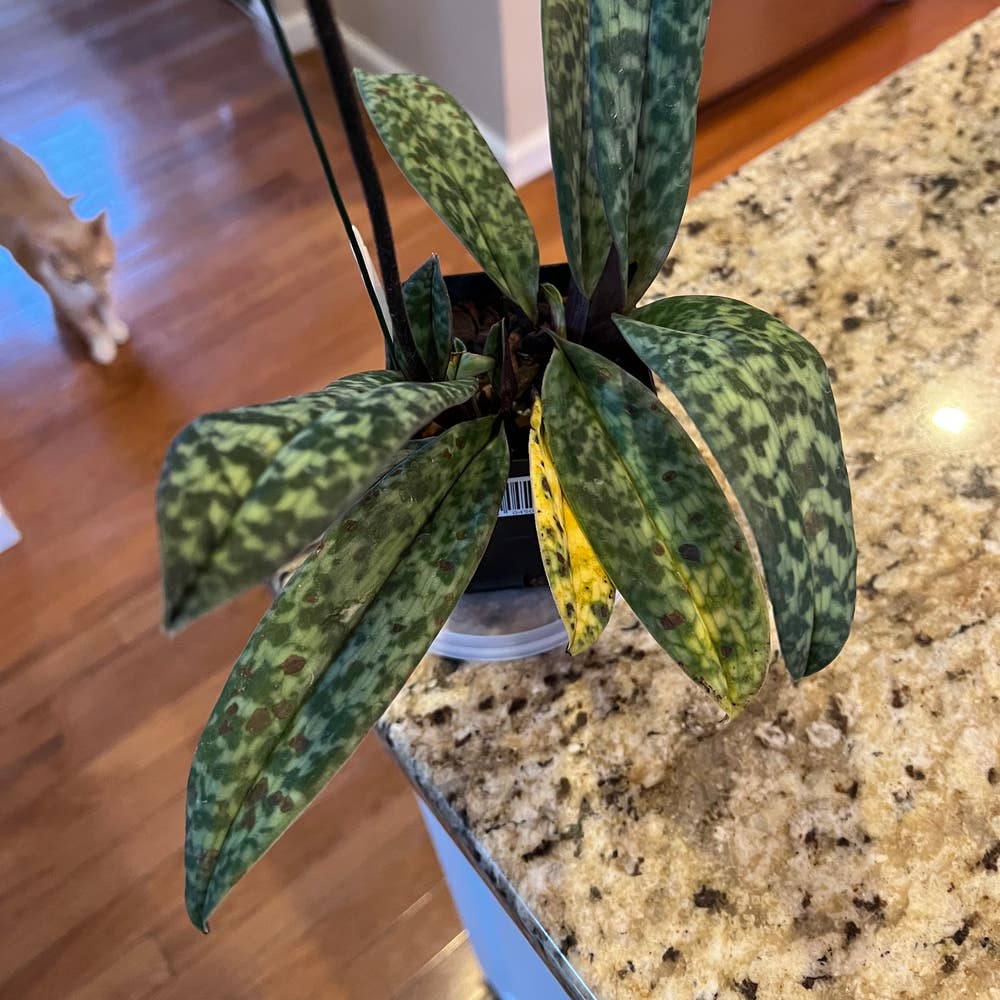
Signs of Underwatering
Wrinkled leaves and yellow tips are distress signals from your Paphiopedilum venustum, begging for more water. If the soil feels like a stand-up comedian's repertoire—dry and dusty—it's time for a drink.
Watering Routine Adjustments
To avoid the sad, thirsty look, check the top inch of soil for dryness regularly. When it's dry, it's time to water. Think of it as keeping your orchid's thirst quenched without overdoing it.
💦 Overwatering Woes
Identifying Overwatering Symptoms
Yellow, mushy leaves are the telltale signs of overwatering. If the roots look more like a brown mess than firm and white, you've gone too far. It's a fine line between hydrated and drowned.
Rescuing Overwatered Orchids
First, stop watering and let the soil dry out a bit. If the situation is dire, consider repotting with fresh, well-draining media to give those soggy roots a new lease on life.
🌞 Light and Temperature: Getting It Just Right
The Role of Light and Temperature
Droopy leaves can also mean your orchid is throwing shade at your light and temperature setup. Too much heat or direct sunlight can leave your plant as droopy as a noodle in hot soup.
Finding the Sweet Spot
Aim for bright, indirect light—like a shaded lounge on a sunny day. Keep temperatures consistent, avoiding the drama of sudden changes. It's about creating a microclimate that doesn't shock your orchid's system.
Reviving Droopy Leaves
💧 The Watering Balancing Act
Watering your Paphiopedilum venustum is more art than science. To achieve optimal leaf health, ensure the entire root system is moistened without turning the pot into a swamp. Use your finger as a moisture gauge; the top inch of soil should feel slightly dry before you water again. Remember, the weight of the pot is a telltale sign—lighter means it's time for a drink.
🌿 Creating the Ideal Microclimate
Positioning is crucial for your orchid's leaf posture. To craft the perfect microclimate, consider using a humidifier or a pebble tray to boost humidity. However, avoid stagnant air like the plague—airflow is your friend. Grouping plants can help, but don't let them get too cozy. Rotate your plant to ensure it gets even light, avoiding the extremes of a desert or a dense forest.
Keeping Leaves Perky: Prevention Strategies
💧 Consistency is Key in Watering
Consistency in your Paphiopedilum venustum's watering schedule is like the cornerstone of a building; it's fundamental. To keep those leaves firm and happy, mark your calendar or set a reminder on your phone. No more guessing games—water when the top inch of soil feels dry to the touch. Remember, your plant's thirst level changes with the seasons, so adjust accordingly.
🌞 Monitoring and Adjusting Environmental Factors
Regular checks on your orchid's living conditions are non-negotiable. Light and temperature should be as steady as a favorite old song. Too much direct sunlight? Leaves might singe. Too little? They'll slump in protest. Keep the thermostat consistent, avoiding any dramatic swings that could send your plant into shock. And don't forget humidity—these tropical beauties crave it. A pebble tray or humidifier can work wonders. Stay vigilant, and your Paphiopedilum venustum will reward you with perky posture.
⚠️ Safety First
This content is for general information and may contain errors, omissions, or outdated details. It is not medical, veterinary advice, or an endorsement of therapeutic claims.
Always consult a qualified healthcare professional before using any plant as food, medicine, or supplement.
Never eat any plant (or feed one to pets) without confirming its identity with at least two trusted sources.
If you suspect poisoning, call Poison Control (800) 222-1222, the Pet Poison Helpline (800) 213-6680, or your local emergency service immediately.
Spotted an error? Please report it here.
Ensure your Paphiopedilum venustum leaves never droop again with Greg's personalized care reminders 🌿, fine-tuning your orchid's watering and environment for peak health.