🌺 Top 9 Signs Your Venus Slipper Orchid Has Flower Problems
Paphiopedilum venustum
By the Greg Editorial Team
Oct 02, 2024•7 min read
This article was created with the help of AI so we can cover more plants for you. May contain errors. See one? Report it here.
- 🌸 Lack of blooms signals health issues; check care and environment immediately.
- 🌡️ Stable temperature and humidity are crucial for preventing flower problems.
- 🌱 Nutrient deficiencies lead to deformed flowers; ensure balanced fertilization for healthy blooms.
Signs of Flower Problems
Recognizing Flowering Issues 🌸
When it comes to your Venus slipper orchid, spotting flowering issues early can make all the difference. Here are the key signs to watch for:
Lack of Blooms
If your orchid isn't blooming during its expected cycle, it’s a red flag. This could indicate underlying health problems that need addressing.
Dropping Buds
Buds that fall off before they open, known as bud drop, can be frustrating. This often signals stress or environmental issues affecting your orchid.
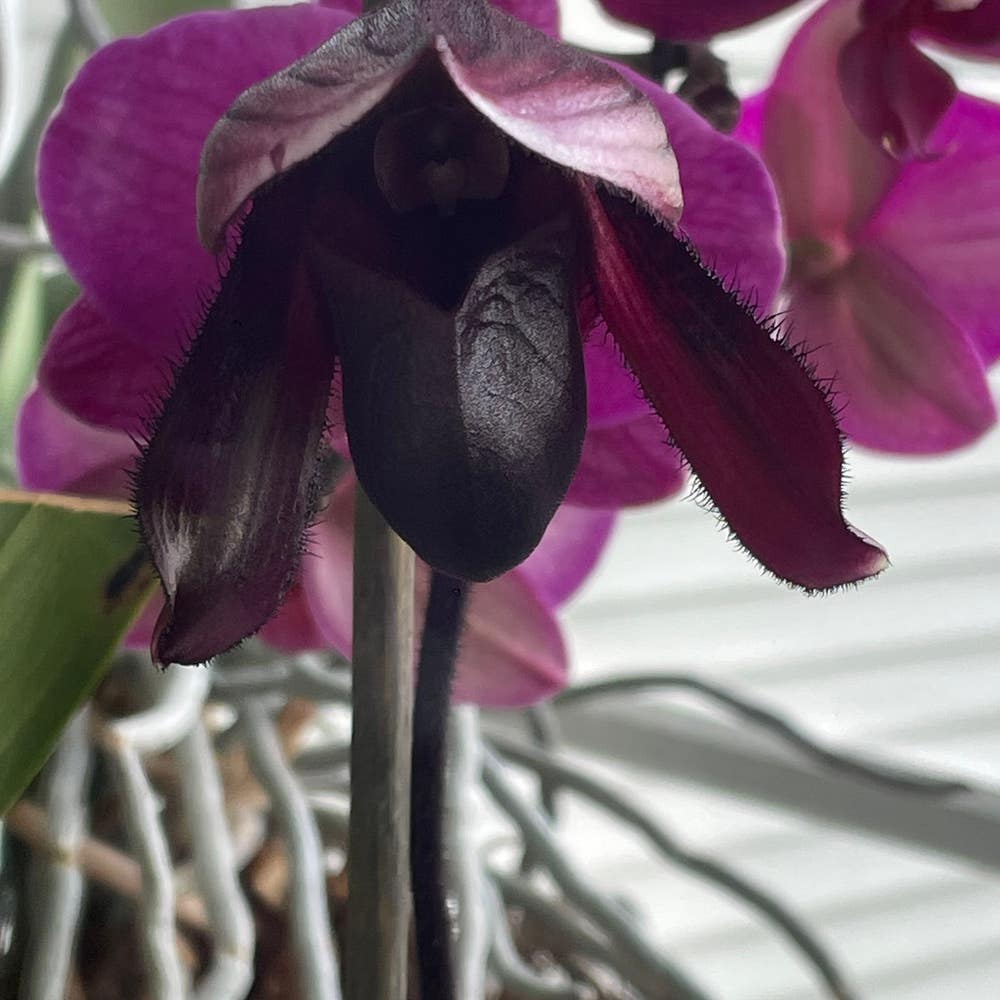
Deformed or Discolored Flowers
Flowers that appear misshapen or have unusual colors are not just aesthetically unpleasing; they can indicate serious health concerns. Pay attention to these abnormalities as they can reveal nutrient deficiencies or stress.
Stunted Flower Spike Growth
If the flower spikes aren’t growing as they should, it’s a sign that something is off. Stunted growth can stem from various factors, including poor care or environmental stress.
Wilting or Shriveling Flowers
After blooming, if your flowers are wilting or shriveling, it’s a sign they may not have received the care they needed. This can be a result of inadequate watering or humidity levels.
Recognizing these signs early can help you take action and restore your orchid's health. Next, let’s dive into the common causes of these flowering issues.
Common Causes of Flowering Issues
🌪️ Environmental Stress Factors
Your Venus slipper orchid can be quite sensitive to its environment. Fluctuations in temperature and humidity levels can lead to significant flowering issues.
Temperature swings can stress your orchid, disrupting its natural bloom cycle. Ideally, keep temperatures stable to encourage healthy growth.
Humidity is equally crucial. If the air is too dry, your orchid may struggle to thrive, leading to poor flowering.
Another common issue is poor root health, often caused by an inadequate potting medium. If the roots can’t breathe or absorb nutrients properly, your orchid will suffer.
Inconsistent light exposure can also wreak havoc on your orchid's blooming. Too little light can weaken flower spikes, while too much can cause leaf burn.
📋 Summary of Key Environmental Factors
| Factor | Impact on Flowering | Solution |
|---|---|---|
| Temperature Fluctuations | Disrupts bloom cycle | Maintain stable temperatures |
| Humidity Levels | Causes dehydration | Use humidifiers or pebble trays |
| Root Health | Affects nutrient absorption | Ensure proper potting medium |
| Light Exposure | Weakens spikes or causes leaf burn | Provide balanced light conditions |
By addressing these environmental stress factors, you can create a more favorable setting for your Venus slipper orchid to flourish. With the right care, you’ll be on your way to enjoying vibrant blooms.
Next, let’s dive into the specific causes of failure to bloom, so you can troubleshoot effectively.
Failure to Bloom
🌞 Potential Causes
Light Requirements
Insufficient light can lead to weak flower spikes, leaving your Venus slipper orchid struggling to produce blooms. On the flip side, excessive light can cause leaf burn and stress, hindering the orchid's ability to flower.
Orchid Nutrition
A lack of essential nutrients can significantly affect flower development. Conversely, over-fertilization can lead to root burn, creating a vicious cycle of poor health.
Environmental Stress
Temperature extremes can disrupt the bloom cycle, making it difficult for your orchid to thrive. Additionally, inadequate humidity levels can cause stress, further complicating the flowering process.
🛠️ Solutions and Remedies
- Adjust Light Exposure: Aim for 12-14 hours of indirect sunlight daily to promote healthy growth.
- Balanced Fertilization: Implement a fertilization schedule using orchid-specific nutrients to ensure your plant gets what it needs.
- Humidity Maintenance: Keep humidity levels between 50-70% with humidity trays or regular misting.
- Temperature Monitoring: Maintain temperatures between 65°F to 80°F (18°C to 27°C) for optimal blooming conditions.
By addressing these potential causes and implementing the suggested solutions, you can help your Venus slipper orchid flourish and bring forth beautiful blooms. Next, let’s explore the signs and symptoms of premature flower drop.
Premature Flower Drop
Signs and Symptoms 🌼
Premature flower drop can be disheartening for any orchid enthusiast. You may notice flowers wilting and dropping before they reach full bloom, or buds falling off the spike without ever opening.
Causes 🌱
Humidity Levels 💧
Low humidity is often the culprit behind dehydration in orchids. When the air is too dry, your Venus slipper orchid struggles to retain moisture, leading to premature flower drop.
Temperature Fluctuations 🌡️
Sudden changes in temperature can also stress your orchid. If your plant experiences drafts or rapid shifts in temperature, it may react by dropping its buds and flowers.
Solutions and Preventative Measures 🛠️
To combat these issues, consider the following steps:
- Increase humidity: Use a humidifier or place pebble trays filled with water near your orchid to boost moisture levels.
- Avoid drafts: Keep your orchid away from windows or vents that may expose it to cold air or heat sources.
- Stabilize temperature: Regularly monitor and maintain a consistent temperature to create a comfortable environment for your orchid.
By addressing humidity and temperature concerns, you can help your Venus slipper orchid thrive and enjoy a beautiful bloom cycle. Next, let’s explore the signs of abnormal flower development and how to identify potential issues.
Abnormal Flower Development
🌼 Identifying Abnormalities
Abnormal flower development in Venus slipper orchids can manifest in various ways. You might notice flowers that are misshapen or display unusual colors, as well as inconsistent blooming patterns that can leave you puzzled.
🔍 Causes
Nutrient Deficiencies
One of the primary culprits behind these issues is nutrient deficiencies. A lack of potassium or phosphorus can significantly affect flower quality, leading to disappointing blooms.
✂️ Improper Pruning
Improper pruning techniques can also hinder flower development. If spent blooms and dead leaves are not managed correctly, it can result in poor flowering outcomes.
🛠️ Solutions and Best Practices
Balanced Nutrient Supply: Ensure your orchid receives a balanced nutrient supply, with a focus on potassium and phosphorus to promote healthy blooms.
Proper Pruning Techniques: Follow proper pruning techniques by removing only spent blooms and dead leaves. This helps maintain the plant's energy for future flowering.
Monitor Overall Health: Regularly check your orchid's overall health to prevent nutrient imbalances. Healthy plants are more resilient and likely to produce beautiful flowers.
By addressing these factors, you can enhance your orchid's flowering potential and enjoy its stunning blooms. Next, let’s explore how to tackle premature flower drop, another common issue for orchid enthusiasts.
⚠️ Safety First
This content is for general information and may contain errors, omissions, or outdated details. It is not medical, veterinary advice, or an endorsement of therapeutic claims.
Always consult a qualified healthcare professional before using any plant as food, medicine, or supplement.
Never eat any plant (or feed one to pets) without confirming its identity with at least two trusted sources.
If you suspect poisoning, call Poison Control (800) 222-1222, the Pet Poison Helpline (800) 213-6680, or your local emergency service immediately.
Spotted an error? Please report it here.
Spotting signs of distress in your Venus slipper orchid, like wilting flowers or stunted growth, is crucial, and with Greg's personalized care reminders, you can create the perfect environment 🌱 for your orchid to flourish!