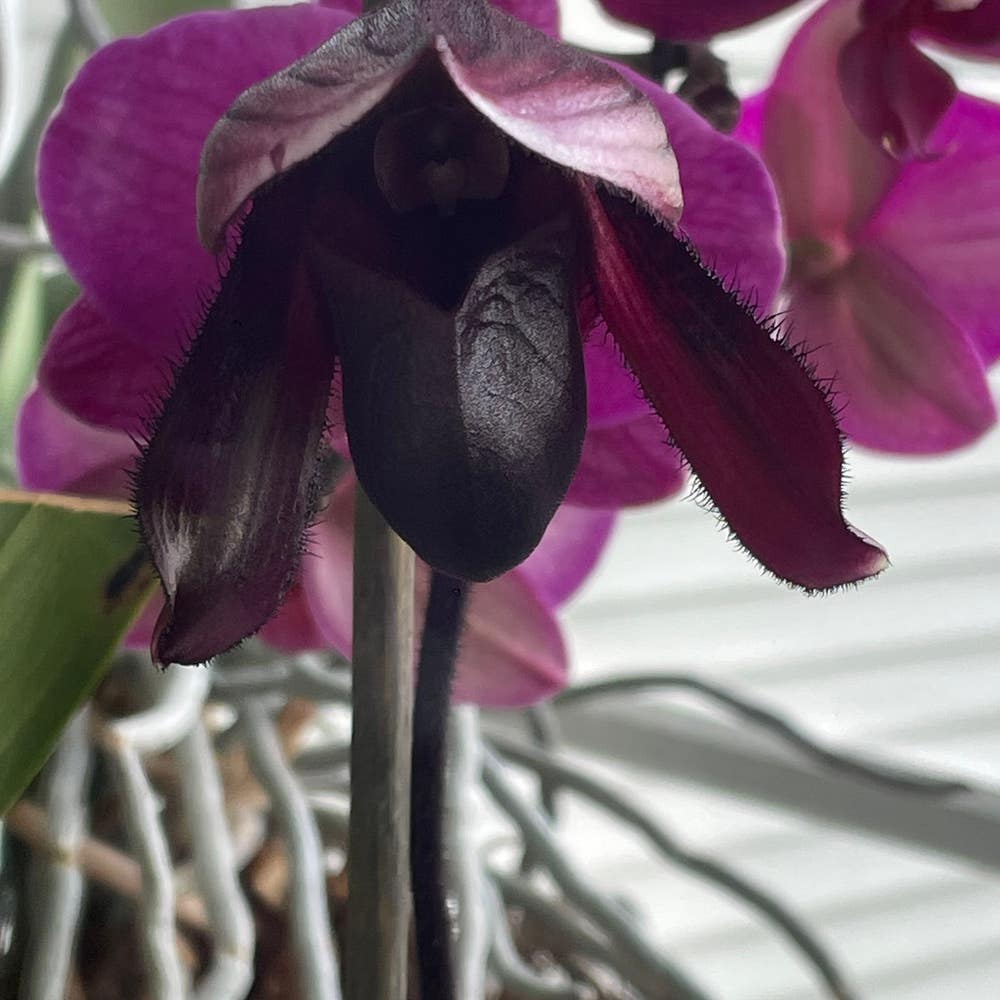
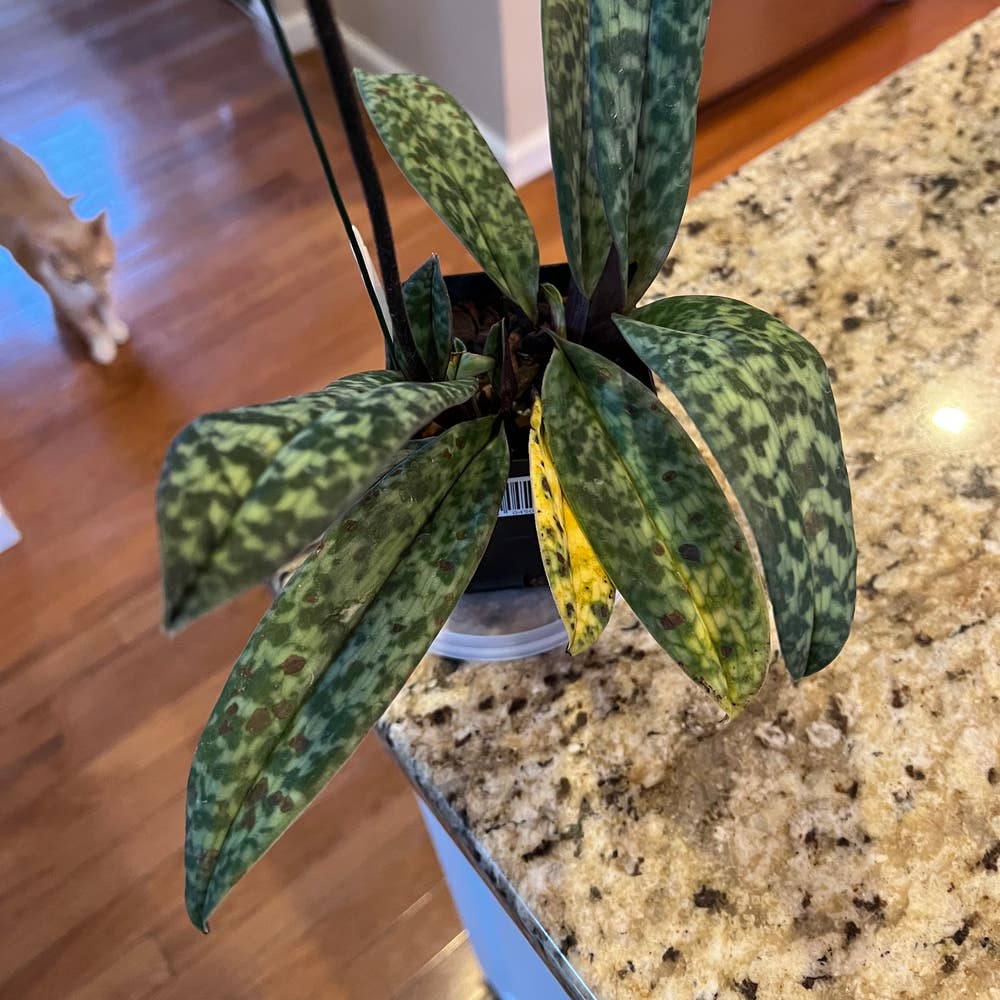
Where Can Venus Slipper Orchid Grow? Zones 10a-12b 🌸
Paphiopedilum venustum
By the Greg Editorial Team
Oct 02, 2024•4 min read
This article was created with the help of AI so we can cover more plants for you. May contain errors. See one? Report it here.
- 🌡️ Venus Slipper Orchids thrive in zones 10a-12b, ideal for warm climates.
- ❄️ Protect from frost; temperatures below 30°F can harm these sensitive orchids.
- 🌊 Humidity and filtered sunlight are crucial for healthy growth and thriving conditions.
Temperature Tolerance of Venus Slipper Orchid
❄️ Cold Tolerance
The Venus Slipper Orchid is highly sensitive to frost, making it crucial to protect it from cold temperatures. Ideally, it thrives in environments where minimum temperatures stay above 30°F (-1°C).
To ensure its health, gardeners should provide shelter from chilly winds and frost. This protection is vital for the orchid's survival, especially in regions that experience sudden temperature drops.
🔥 Heat Tolerance
On the flip side, the Venus Slipper Orchid can handle heat quite well. It can thrive in temperatures reaching up to 90°F (32°C) or even higher.
This orchid prefers warm, humid environments with filtered light. Maintaining humidity is essential, as it helps the plant stay healthy during those hot spells.
Understanding these temperature tolerances is key for anyone looking to cultivate this stunning orchid. With the right conditions, your Venus Slipper Orchid can flourish beautifully.
Ideal Growing Regions for Venus Slipper Orchid
🌍 Examples of Suitable US States
California
California's coastal regions are a paradise for the Venus Slipper Orchid. With mild winters and warm summers, these areas provide the perfect climate for thriving orchids.
Florida
Florida's humid subtropical climate is another ideal spot. The consistent humidity helps maintain the moisture levels that these orchids crave.
Hawaii
Hawaii offers a tropical climate that is consistently warm and humid. This environment is a natural fit for the Venus Slipper Orchid, allowing it to flourish year-round.
🌱 Factors Contributing to Ideal Growing Conditions
Climate Characteristics
The Venus Slipper Orchid thrives in warm temperatures and high humidity. Filtered sunlight is crucial, as it protects the plant from harsh rays while still providing the light it needs.
Soil Conditions
These orchids prefer well-draining, organic-rich soils. This ensures that their roots stay healthy and do not become waterlogged.
Protection from Extreme Weather
Shaded areas are vital for protecting Venus Slipper Orchids from direct sunlight and extreme weather. Creating a sheltered environment can significantly enhance their chances of survival and growth.
Understanding these ideal growing regions and conditions can help you cultivate a thriving Venus Slipper Orchid. Next, let’s explore the impact of microclimates on their growth potential.
Microclimates and Their Impact
🌍 Definition and Significance
Microclimates are small, localized areas that exhibit different climate conditions compared to their surroundings. Understanding these variations is crucial for gardeners, especially when cultivating sensitive plants like the Venus Slipper Orchid.
🌱 Strategies for Utilizing Microclimates
Creating favorable conditions for your Venus Slipper Orchid can be achieved by leveraging microclimates effectively.
🌊 Examples of Microclimates
- Areas Near Bodies of Water: These spots typically maintain higher humidity and moderate temperatures, ideal for orchids.
- Shaded Areas Under Trees: Such locations protect plants from direct sunlight and extreme temperature fluctuations.
📈 Extending the Growing Range
Utilizing microclimates can significantly extend the growing range of the Venus Slipper Orchid. By strategically placing your orchids in these favorable conditions, you can enhance their growth and overall health.
Incorporating microclimates into your gardening strategy not only benefits the Venus Slipper Orchid but also enriches your entire garden ecosystem. As we explore the suitable states for this orchid, understanding local climate conditions becomes even more essential.
State-Level Analysis of Hardiness Zones
🌱 Suitable States for Venus Slipper Orchid
The Venus Slipper Orchid thrives in specific hardiness zones, particularly 10a to 12b. Here are the states where you can find ideal growing conditions:
- California: Coastal regions offer mild winters and warm summers, perfect for these orchids.
- Florida: The humid subtropical climate helps maintain the necessary humidity levels.
- Hawaii: With its tropical climate, Hawaii provides consistently warm and humid conditions.
- Texas: Certain regions in Texas can also support the growth of Venus Slipper Orchids.
- Louisiana: The warm, humid environment is conducive to their health.
- Parts of Arizona: Some areas in Arizona meet the orchid's growing requirements.
❌ Unsuitable States for Venus Slipper Orchid
Not every state is suitable for the Venus Slipper Orchid. Here’s a look at the states where these orchids struggle:
- Maine: Frequent frost makes it a poor choice for these sensitive plants.
- Vermont: Harsh winters can be detrimental to their survival.
- North Dakota: The cold climate is far below the orchid's cold tolerance.
- Montana: Similar to the others, it experiences temperatures that are too low.
Understanding local climate conditions is crucial for successful growth. If you're in a colder state, consider microclimates or indoor gardening to create a more suitable environment for your Venus Slipper Orchid.
With the right knowledge, you can cultivate these beautiful orchids in the best possible conditions.
⚠️ Safety First
This content is for general information and may contain errors, omissions, or outdated details. It is not medical, veterinary advice, or an endorsement of therapeutic claims.
Always consult a qualified healthcare professional before using any plant as food, medicine, or supplement.
Never eat any plant (or feed one to pets) without confirming its identity with at least two trusted sources.
If you suspect poisoning, call Poison Control (800) 222-1222, the Pet Poison Helpline (800) 213-6680, or your local emergency service immediately.
Spotted an error? Please report it here.
Grow your Venus Slipper Orchid flourishingly 🌱 with Greg's tailored care tips and reminders that ensure the perfect environment for these beauties!