Venus Slipper Orchid: Not an Annual 🌸
Paphiopedilum venustum
By the Greg Editorial Team
Oct 01, 2024•5 min read
This article was created with the help of AI so we can cover more plants for you. May contain errors. See one? Report it here.
- 🌱 Venus Slipper Orchid is a perennial, thriving for 10-20 years or more.
- 🌼 Blooms consistently from late spring to early summer, attracting specific pollinators like bees.
- 🌳 Requires tailored care and specific conditions to flourish, unlike true annuals.
Genetic and Physiological Characteristics
Long-term Lifecycle of Venus Slipper Orchid 🌱
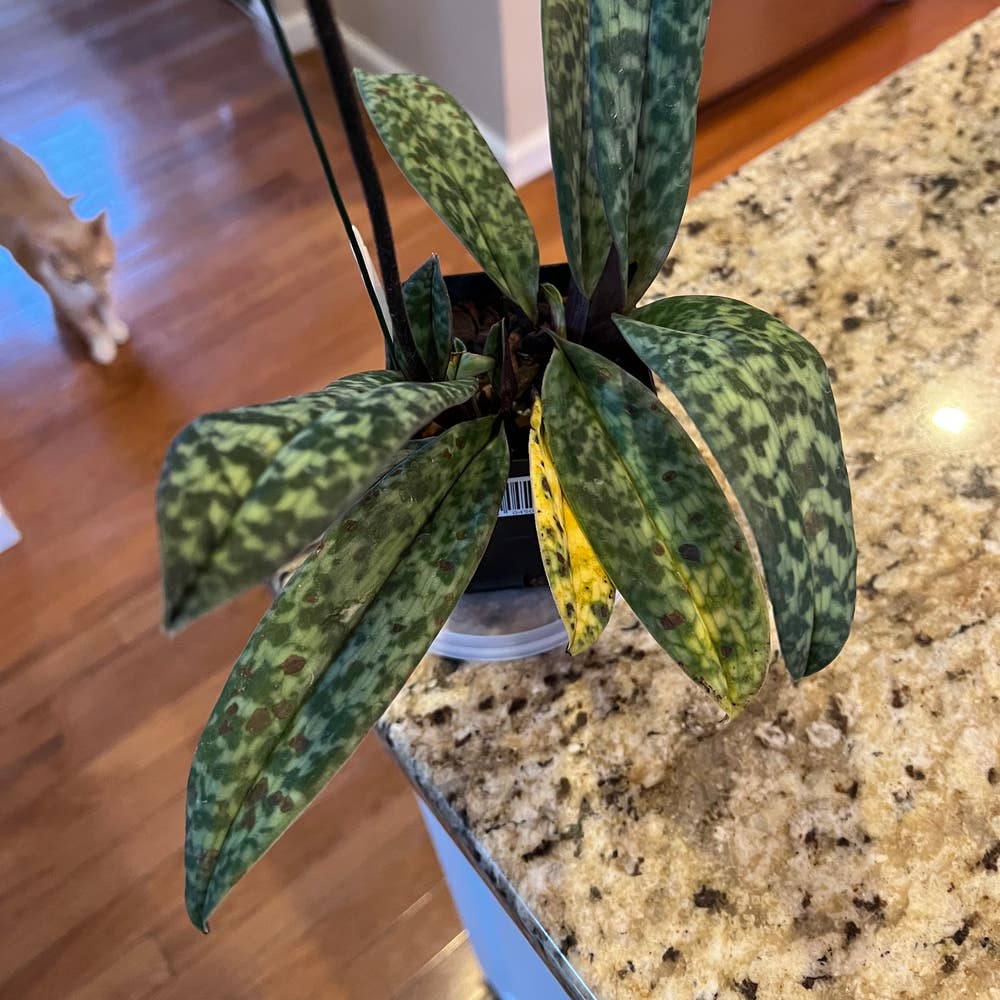
The Venus Slipper Orchid is a remarkable perennial, often living for several years—typically between 10 to 20 years or even longer. Its seasonal growth patterns are equally fascinating, with emergence occurring in spring and flowering taking place from late spring to early summer.
Growth Patterns Specific to Venus Slipper Orchid 🌿
This orchid exhibits a slow initial growth phase, gradually expanding as it matures. It thrives in moist, shaded woodland areas, showcasing its adaptability to specific environmental conditions.
Reproductive Strategies and Seed Production 🌼
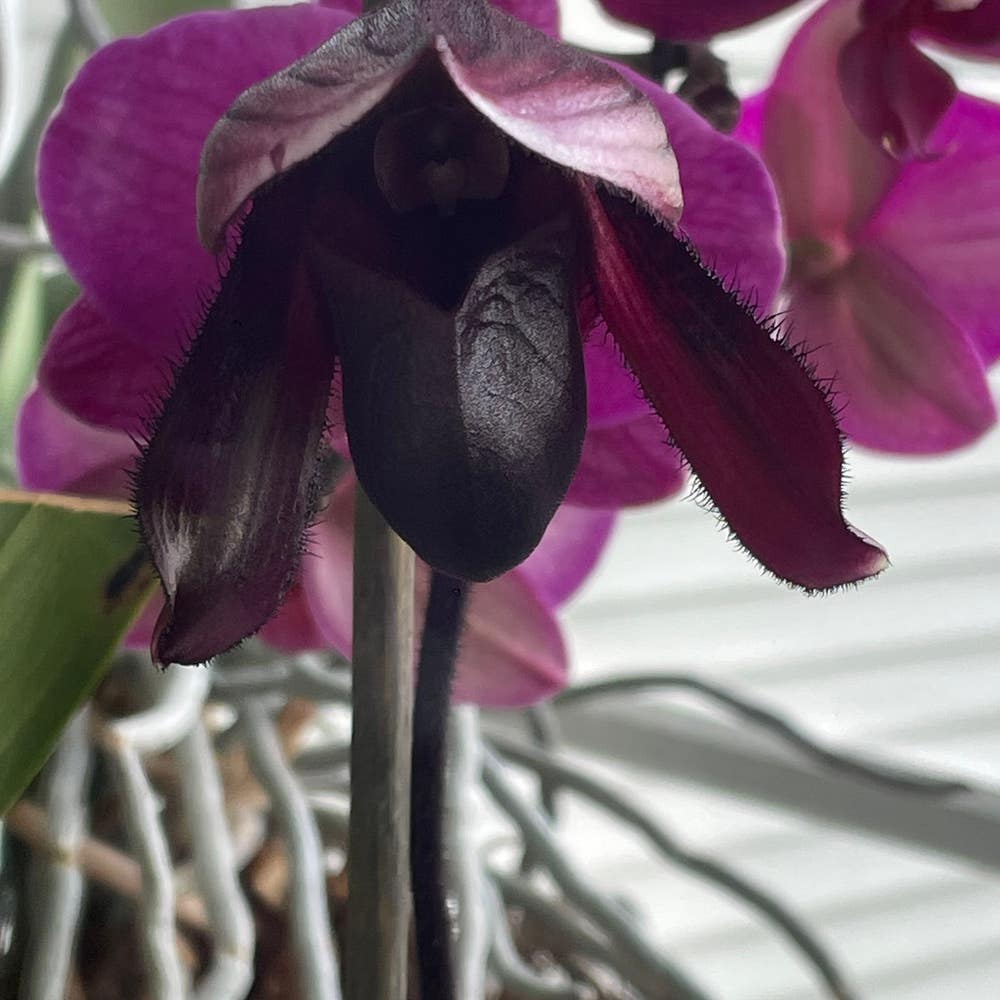
One of the standout features of the Venus Slipper Orchid is its unique flower structure, which effectively attracts specific pollinators, such as bees. While it produces seeds annually, successful germination relies on particular conditions, making its reproductive strategy both intriguing and complex.
The Venus Slipper Orchid's long-term lifecycle and specialized growth patterns set it apart from many other plants. Understanding these characteristics is essential for appreciating its role in the ecosystem and its potential in garden design.
Next, we will explore how the lifecycle of the Venus Slipper Orchid compares to that of true annuals, highlighting the differences that define its perennial nature.
Lifecycle Comparison
Differences Between Venus Slipper Orchid and True Annuals 🌺
The Venus Slipper Orchid has a unique growth cycle that spans multiple years, allowing it to bloom consistently over time. In contrast, true annuals complete their life cycle in a single season, blooming once before dying off.
Perennials like the Venus Slipper focus on developing robust root systems and foliage over the years. This long-term resource allocation sets them apart from annuals, which prioritize quick growth and reproduction.
Implications of Perennial Lifecycle on Growth and Flowering 🌼
The flowering cycles of the Venus Slipper Orchid are more predictable, resulting in consistent blooms each year. This contrasts sharply with annuals, which may only produce flowers sporadically.
Additionally, perennials store energy in their roots, preparing for future growth. This energy storage allows them to thrive year after year, making them a resilient choice for gardeners.
Understanding these differences can enhance your gardening strategy, ensuring you appreciate the long-term beauty of the Venus Slipper Orchid. As we delve deeper into regional variations and misconceptions, you'll discover even more about this fascinating plant.
Regional Variations and Misconceptions
Conditions Where Venus Slipper Orchid May Be Mistaken for an Annual 🌱
The Venus Slipper Orchid can sometimes be misidentified as an annual due to environmental stressors. Drought or extreme temperatures can lead to reduced visibility, making it seem like the plant has vanished.
Improper care can also contribute to this misconception. If the orchid is not given the right conditions, it may exhibit stunted growth or fail to flower, further confusing gardeners.
Exceptions in Care or Treatment ❗️
In non-native regions or poor soil conditions, gardeners might treat the Venus Slipper Orchid as an annual. This approach often stems from a lack of understanding of its perennial nature and specific needs.
A common misconception is that the Venus Slipper Orchid requires the same care as annuals. In reality, it thrives with a different set of requirements, emphasizing the importance of tailored care for this unique plant.
Understanding these nuances can help gardeners appreciate the Venus Slipper Orchid's true nature and ensure its longevity in their gardens.
Garden Design and Planting Strategies
🌺 Advantages of Using Venus Slipper Orchid in Perennial Planting
Incorporating the Venus Slipper Orchid into your garden is a smart, long-term investment. Unlike annuals, which require yearly replacements, these orchids thrive for years, offering consistent beauty with minimal effort.
Their unique flowers bring a captivating visual interest to any garden. With their striking appearance, they can become a focal point, enhancing the overall aesthetic year after year.
🌿 Tips for Integrating Venus Slipper Orchid into Garden Design
Companion planting is a fantastic strategy for maximizing the impact of Venus Slipper Orchids. Pair them with other shade-loving perennials to create a lush, harmonious environment that celebrates their beauty.
Soil and moisture considerations are crucial for optimal growth. Ensure you provide well-draining soil rich in organic matter, and maintain consistent moisture without waterlogging to keep your orchids thriving.
By thoughtfully integrating Venus Slipper Orchids into your garden, you can enjoy their stunning blooms while fostering a vibrant ecosystem. This approach not only enhances your garden's appeal but also supports the health and longevity of these remarkable plants.
As you plan your garden, consider how these orchids can complement your existing landscape and contribute to a thriving perennial garden.
Management and Longevity
Best Practices for Managing Venus Slipper Orchid as a Perennial 🌱
To ensure your Venus Slipper Orchid thrives, start with the right soil. It needs well-draining soil rich in organic matter to support its growth.
Watering is equally crucial. Aim for consistent moisture, but be careful not to waterlog the roots, as this can lead to rot.
Tips for Maximizing Longevity and Health in the Garden 🌼
Regular monitoring is key to keeping your orchid healthy. Check for pests and diseases frequently to catch any issues early.
Seasonal care can make a significant difference. Mulching helps retain moisture, while fertilizing during active growth supports robust development.
By following these practices, you can enjoy the beauty of the Venus Slipper Orchid for many years to come. Next, let’s explore how to integrate this stunning plant into your garden design effectively.
⚠️ Safety First
This content is for general information and may contain errors, omissions, or outdated details. It is not medical, veterinary advice, or an endorsement of therapeutic claims.
Always consult a qualified healthcare professional before using any plant as food, medicine, or supplement.
Never eat any plant (or feed one to pets) without confirming its identity with at least two trusted sources.
If you suspect poisoning, call Poison Control (800) 222-1222, the Pet Poison Helpline (800) 213-6680, or your local emergency service immediately.
Spotted an error? Please report it here.
The Venus Slipper Orchid is a long-lasting beauty 🌺 that thrives with tailored care, and Greg can help you succeed by providing personalized watering reminders and expert tips to keep your orchid flourishing for years to come!