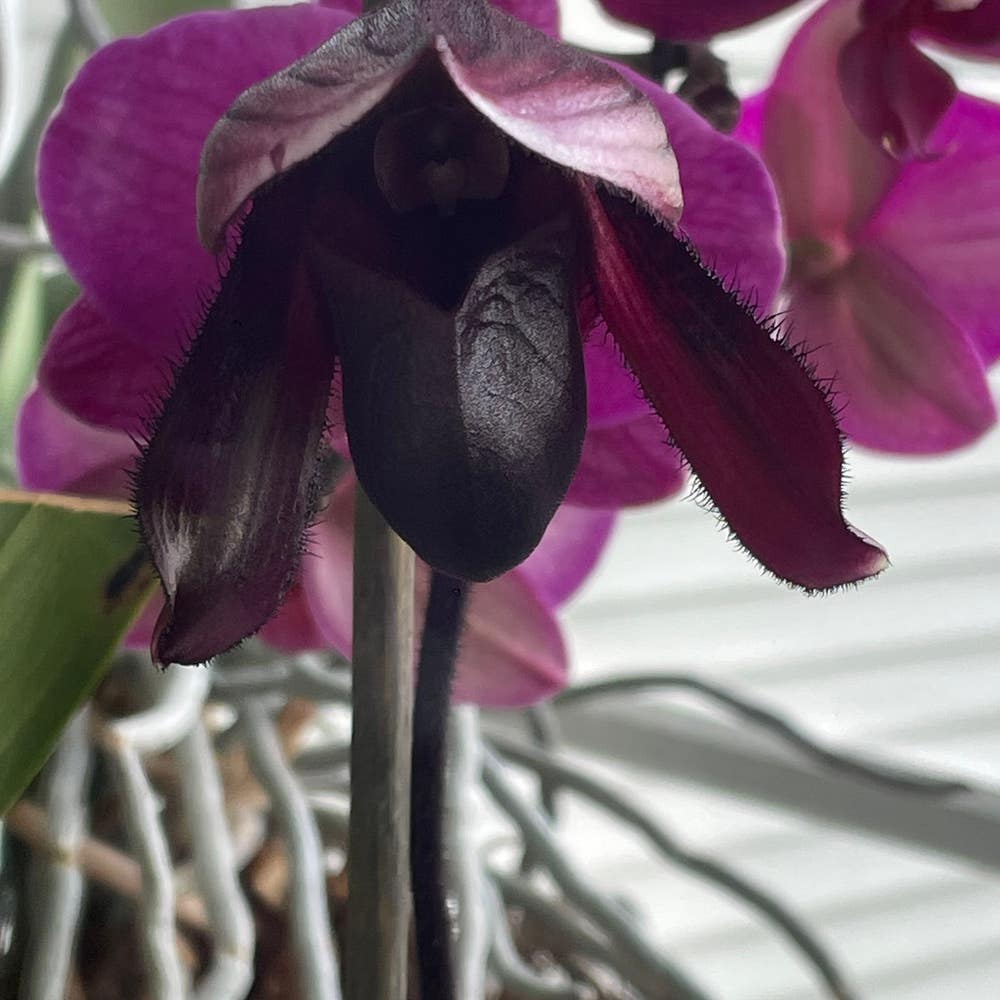
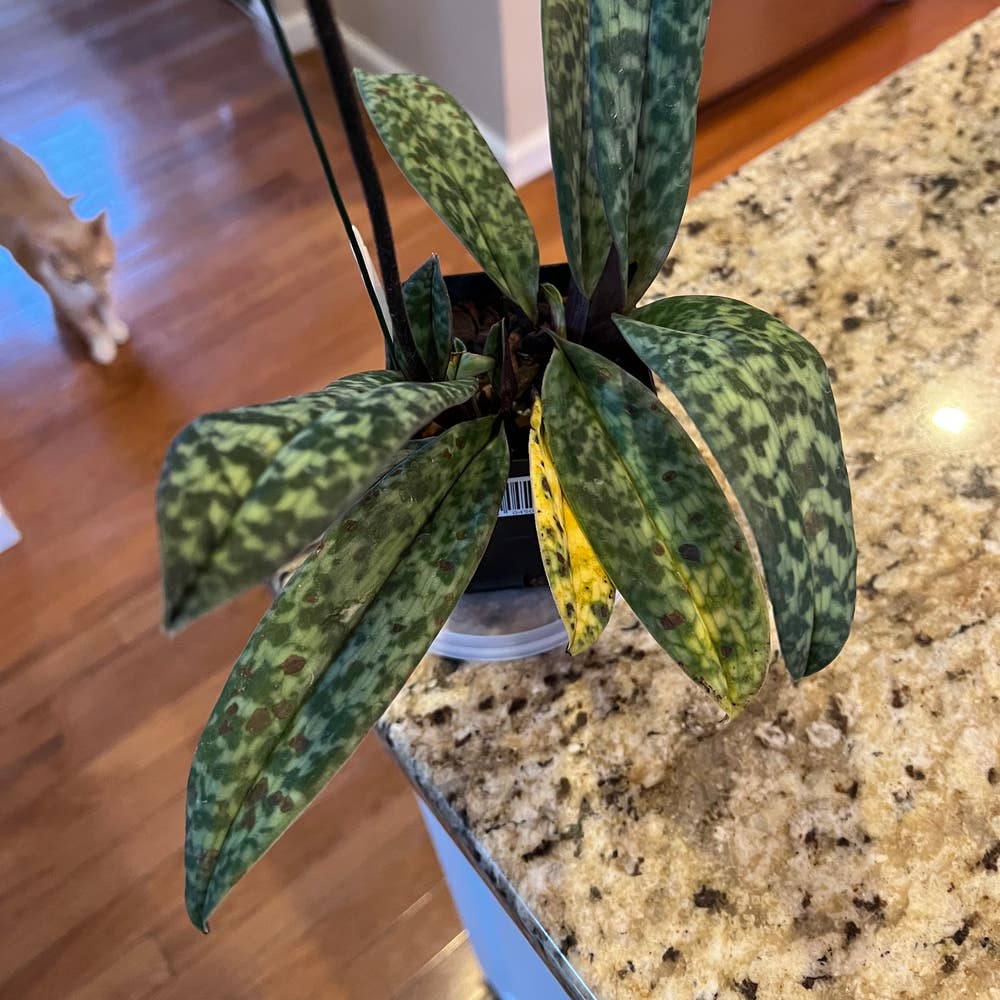
🌌 Ultimate Guide to Indoor Venus Slipper Orchid Care
Paphiopedilum venustum
By the Greg Editorial Team
Oct 02, 2024•5 min read
This article was created with the help of AI so we can cover more plants for you. May contain errors. See one? Report it here.
- 🌞 Bright, indirect light is essential for Venus slipper orchids; use grow lights if needed.
- 💧 Water every 1-2 weeks, adjusting for humidity; avoid overwatering to prevent root rot.
- 🌿 Maintain humidity levels between 50-70% for optimal health and growth of your orchid.
Light Requirements
Ideal Indoor Light Levels 🌞
For your Venus slipper orchid to thrive, it needs bright, indirect light, ideally between 1,000 and 2,000 foot-candles. If you notice leaf yellowing or stunted growth, it’s a clear sign that your plant isn’t getting enough light.
Role of Grow Lights 💡
When natural light falls short, grow lights become essential for indoor orchids. They help mimic the sun’s rays, ensuring your plant gets the light it craves.
Choosing the Best Grow Light
- Types: LED lights are energy-efficient and long-lasting, while fluorescent lights are budget-friendly and effective.
- Light Spectrum: Opt for full-spectrum lights, as they provide the broad range of wavelengths necessary for optimal growth.
With the right light conditions, your Venus slipper orchid will flourish, setting the stage for a vibrant indoor garden. Next, let’s explore the watering needs to keep your orchid healthy and happy.
Watering Needs
Proper Watering Techniques 🌊
Watering your Venus Slipper Orchid is crucial for its health. Aim to water every 1-2 weeks, adjusting based on your home's humidity and temperature.
To ensure your orchid thrives, water thoroughly until it drains from the bottom. This practice helps prevent dry pockets in the potting medium, ensuring the roots receive adequate moisture.
Signs of Overwatering and Underwatering 🚨
Recognizing the signs of overwatering is essential. Look for yellowing leaves and mushy roots, which indicate your orchid is drowning.
On the flip side, underwatering can be just as harmful. Wrinkled leaves and a dry potting medium signal that your orchid needs a drink.
By keeping an eye on these indicators, you can maintain a healthy watering routine for your indoor orchid.
Next, let’s explore the optimal humidity and temperature conditions that will further support your Venus Slipper Orchid's growth.
Humidity and Temperature
🌧️ Optimal Humidity Levels
Maintaining the right humidity is crucial for your Venus slipper orchid. Aim for a humidity range of 50-70% to promote healthy growth.
Methods for Humidity Control
To achieve this ideal humidity, consider using a humidifier. Look for models with adjustable settings to fine-tune the moisture levels in your space.
Another effective method is creating a pebble tray. Simply fill a shallow tray with pebbles and water, then place your orchid pot on top, ensuring the pot doesn't sit directly in the water. This setup helps increase humidity around your plant.
🌡️ Temperature Requirements
Temperature plays a vital role in your orchid's health. The preferred range is between 18°C to 24°C (65°F to 75°F).
Seasonal Adjustments
As seasons change, so should your approach to temperature management. In colder months, keep your orchid away from drafts and ensure it stays within the ideal range to prevent stress.
By monitoring both humidity and temperature, you set the stage for your Venus slipper orchid to thrive. Next, let’s dive into the best soil type and fertilization practices to keep your plant nourished.
Soil Type and Fertilization
Best Soil Mix 🌱
For your Venus Slipper Orchid, a well-draining orchid mix is essential. This should include components like bark, perlite, and sphagnum moss to create an ideal environment.
Proper drainage is crucial to prevent root rot. If the roots sit in water, they can quickly deteriorate, leading to unhealthy plants.
Fertilization Schedule 📅
During the growing season, fertilize your orchid monthly. This regular feeding supports robust growth and vibrant blooms.
Opt for balanced orchid fertilizers with appropriate NPK ratios. These nutrients are vital for maintaining the health and vitality of your plant.
With the right soil and fertilization practices, your Venus Slipper Orchid will thrive beautifully. Next, let’s explore common issues and solutions to keep your orchid in top shape.
Common Issues and Solutions
Common Problems Specific to Indoor Growing 🌱
Indoor Venus slipper orchids can face a few common challenges. Pests like mealybugs and aphids are frequent offenders, often hiding in the leaf axils or on the undersides of leaves.
To manage these pests, inspect your plants regularly. If you spot any, treat them promptly with insecticidal soap or neem oil for effective control.
Diseases can also plague your orchids, with root rot being a primary concern. This often results from overwatering or poor drainage, leading to mushy roots and yellowing leaves.
Solutions and Prevention Strategies 🛠️
Integrated pest management is key to keeping your orchids healthy. This approach combines natural and chemical methods, allowing you to tackle infestations without harming the plant.
Regular inspections are essential for prevention. By maintaining proper care and monitoring your plants, you can catch issues before they escalate.
Maintaining Plant Appearance ✂️
Pruning and grooming are vital for your orchid's appearance. Remove dead leaves and spent blooms to encourage new growth and maintain a tidy look.
To promote blooming, consider adjusting your care routine. Providing optimal light and humidity can significantly enhance flower production, making your orchid a stunning focal point in your home.
With these strategies, your Venus slipper orchid can thrive, showcasing its beauty and resilience. Next, let’s explore the best placement and environmental factors to ensure your orchid flourishes.
Placement and Environment
Best Placement Within the Home 🌅
Finding the right spot for your Venus Slipper Orchid is crucial. Ideally, place it near east or west-facing windows to provide bright, indirect light.
To avoid direct sunlight, consider using sheer curtains or blinds. This will help filter the light, ensuring your orchid thrives without getting scorched.
Environmental Factors to Consider 🌬️
Drafts can be detrimental to your orchid's health. Identify any cold air sources, such as open windows or air conditioning vents, and move your plant away from these areas.
Temperature fluctuations can also stress your orchid. Aim for a stable environment, keeping the temperature within the preferred range of 18°C to 24°C (65°F to 75°F) to promote healthy growth.
By paying attention to placement and environmental factors, you set the stage for your Venus Slipper Orchid to flourish. Next, let’s explore the humidity and temperature needs that will further enhance its growth.
⚠️ Safety First
This content is for general information and may contain errors, omissions, or outdated details. It is not medical, veterinary advice, or an endorsement of therapeutic claims.
Always consult a qualified healthcare professional before using any plant as food, medicine, or supplement.
Never eat any plant (or feed one to pets) without confirming its identity with at least two trusted sources.
If you suspect poisoning, call Poison Control (800) 222-1222, the Pet Poison Helpline (800) 213-6680, or your local emergency service immediately.
Spotted an error? Please report it here.
Transform your Venus slipper orchid into a stunning centerpiece with Greg's customized care tips 🌿, ensuring it thrives in the perfect light and moisture conditions!