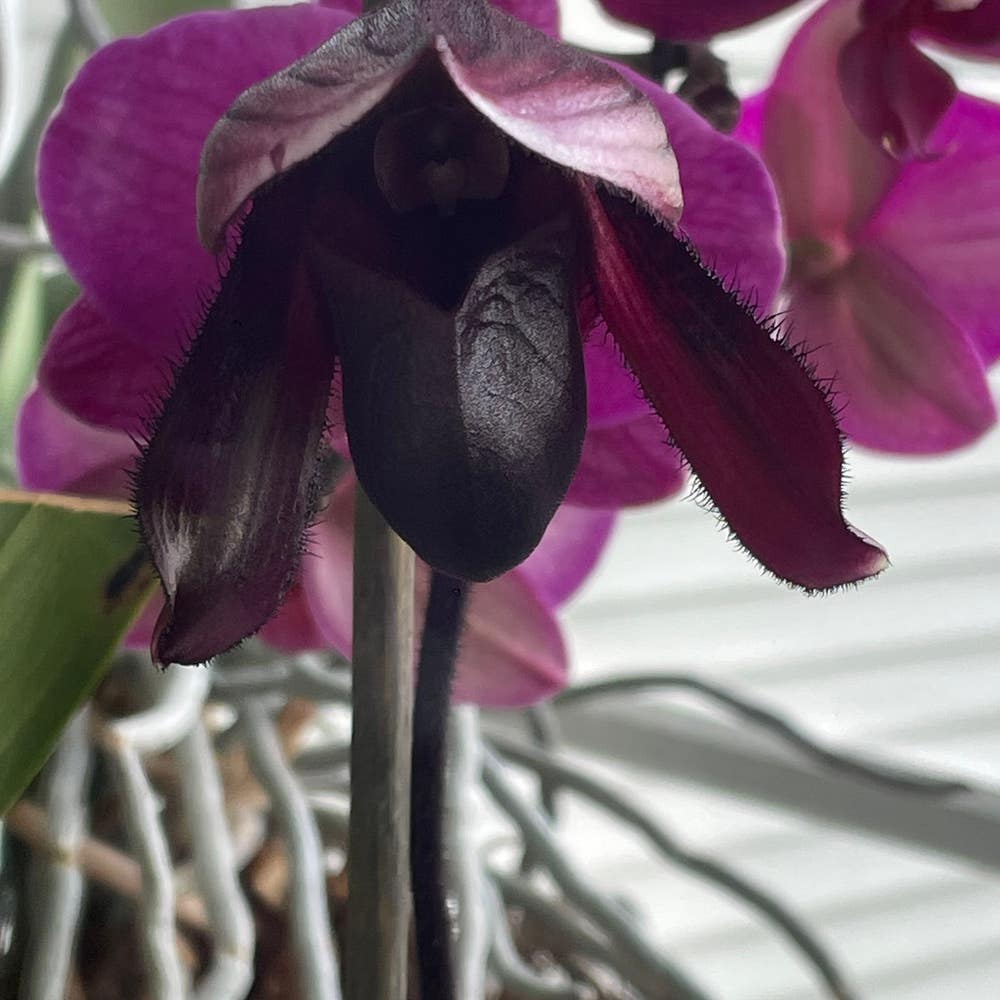
Fertilizing My Paphiopedilum venustum to Double Its Growth
Paphiopedilum venustum
By the Greg Editorial Team
Mar 06, 2024•5 min read
This article was created with the help of AI so we can cover more plants for you. May contain errors. See one? Report it here.
- Balanced fertilizers enhance growth, include micronutrients for blooming.
- Sync fertilizing with growth cycles, adjust for dormancy and seasons.
- Dilute fertilizer, monitor water quality to prevent burn and deficiencies.
Choosing the Right Fertilizer
💡 Balanced Fertilizers: The Key to Happy Paphiopedilum venustum
Selecting the right fertilizer is critical for the health and growth of your Paphiopedilum venustum. A balanced fertilizer, typically marked with an equal ratio of nitrogen (N), phosphorus (P), and potassium (K), such as 20-20-20, offers a well-rounded diet for your orchid. Micronutrients should not be overlooked; they're the unsung heroes that support the plant's overall health and enhance blooming.
💫 The Role of Micronutrients in Blooming and Growth
Micronutrients, though required in smaller amounts, are vital for the Paphiopedilum venustum's well-being. Elements like iron and manganese are akin to a sprinkle of herbs that perfect a dish—they may be small, but they're mighty. Ensure your fertilizer includes these trace elements to encourage vibrant growth and a spectacular floral display.
🌱 Organic vs. Synthetic: Which is Best for Your Orchid?
The organic versus synthetic debate is like comparing a home-cooked meal to fast food. Organic fertilizers release nutrients slowly, mimicking nature's pace and enriching the soil ecosystem. They're the choice for the eco-conscious grower. Synthetic fertilizers offer a quick nutrient boost, but be cautious—overuse can lead to nutrient burn, especially given the Paphiopedilum venustum's delicate roots. Whichever you choose, remember that consistency and correct application are key to avoiding the feast-or-famine cycle.
Timing is Everything: Fertilizing Schedule
⏰ Syncing Fertilization with Growth Cycles
To double the growth of your Paphiopedilum venustum, sync your fertilizing with its growth cycles. This orchid hits its stride in spring and summer, when it's all about new leaves and robust roots. During this period, a monthly dose of fertilizer is your ticket to lushness.
🍂 Adjusting for Dormancy: Less is More
When autumn leaves start to fall, your Paphiopedilum venustum begins to yawn. It's dormancy time, and here's where less is definitely more. Scale back the feedings to a quarter-strength solution every other month, or even skip it altogether. Overdoing it now is like offering an espresso to someone about to nap – unnecessary and counterproductive.
🌱 Seasonal Fertilizing Tips for Year-Round Vigor
Spring: It's go-time. As new growth emerges, hit the ground running with a balanced fertilizer to kickstart the season. Summer: Keep the momentum with regular feedings, ensuring your plant has the stamina for those long, sunny days. Fall: Start to wind down. Reduce frequency and strength as the plant prepares for its winter snooze. Winter: If it looks like it's sleeping, let it sleep. A light feeding every now and then is enough – think of it as a gentle nudge rather than a wake-up call.
Remember, these are more guidelines than gospel. Observe your plant's behavior and tweak the schedule to suit its unique rhythm. Stay flexible, and you'll be rewarded with a Paphiopedilum venustum that's not just surviving, but thriving.
Fertilizing Techniques for Paphiopedilum venustum
💧 Root Zone vs. Foliar Feeding: Pros and Cons
Root zone feeding is the go-to method for Paphiopedilum venustum. It ensures nutrients go straight to where they're needed most. But, be gentle; these orchids have sensitive roots that can easily succumb to fertilizer burn.
Foliar feeding, on the other hand, can be a quick fix for nutrient uptake, but it's not a silver bullet. It's less effective for root diseases and can be a bit like throwing a dart in the dark—sometimes you hit the bullseye, sometimes you miss the board entirely.
🍵 The Art of Dilution: Preventing Fertilizer Burn
Dilution is key. Think of it as making a weak tea rather than a strong espresso. Half-strength solutions are your best friend here. It's like watering down whiskey for a smoother sip—your Paphiopedilum venustum won't get knocked over by an overly strong drink.
Overzealous fertilization is akin to force-feeding. It's not just about the amount but also the concentration. Regularly flush the soil with water to prevent salt buildup, which can lead to those unsightly brown tips.
🚩 Over-Fertilization: Spotting Trouble and Taking Action
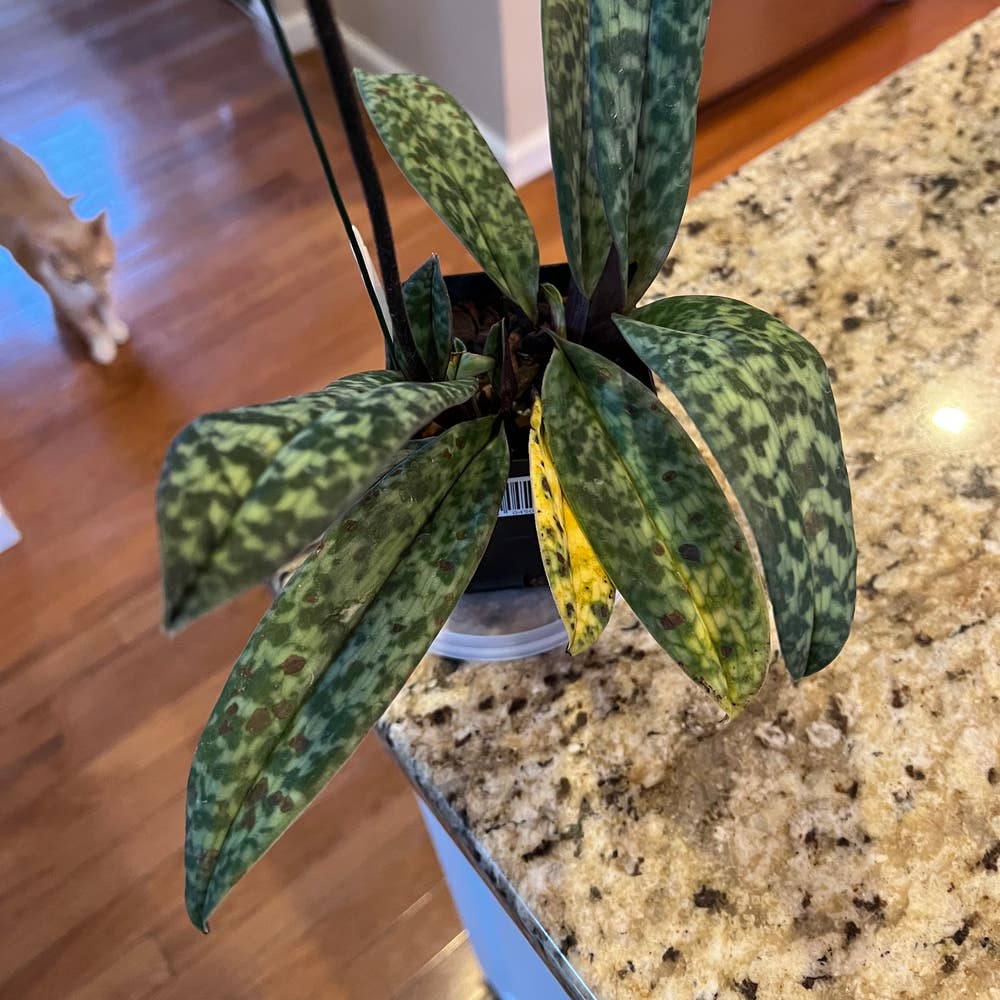
Keep an eye out for the telltale signs of over-fertilization: brown tips and yellowing leaves. It's the plant's way of waving a white flag. If you spot trouble, cut back on the feeding. Flush the soil with clean water to give your orchid a chance to recover from its nutrient hangover.
Remember, less is often more. It's better to under-fertilize than overdo it. After all, you can always add more, but you can't take it back once it's done.
Maintaining the Balance: Monitoring and Adjusting Fertilization
💡 Reading Your Plant: Signs of Nutritional Deficiencies
Yellowing leaves or a lack of flowers may signal a fertilization faux pas. Your Paphiopedilum venustum is a tattletale when it comes to its health, so keep your eyes peeled for distress signals. Nutrient deficiencies often manifest visibly; stunted growth, weak stems, or discolored foliage are the plant's SOS.
🚨 When to Cut Back: Recognizing Excess and Correcting Course
Overzealous with the plant food? Burnt leaf tips and salt buildup in the soil are the telltale signs. If your orchid's leaves are looking more crispy than chic, it's time to dial it back. Cut down on the fertilizer and flush the soil with water to mitigate the excess. Remember, moderation is key—think of fertilizer as a spice, not the main course.
🌊 The Role of Water Quality in Fertilizer Uptake
Water isn't just H2O when it comes to plants. pH levels and soluble salts can make or break nutrient uptake. If your Paphiopedilum venustum is throwing a fit despite a stellar fertilization regimen, test your water. It might be the culprit. Soft water, hard water, chlorinated water—they can all mess with your fertilization game. Adjust accordingly, and watch your orchid thrive.
⚠️ Safety First
This content is for general information and may contain errors, omissions, or outdated details. It is not medical, veterinary advice, or an endorsement of therapeutic claims.
Always consult a qualified healthcare professional before using any plant as food, medicine, or supplement.
Never eat any plant (or feed one to pets) without confirming its identity with at least two trusted sources.
If you suspect poisoning, call Poison Control (800) 222-1222, the Pet Poison Helpline (800) 213-6680, or your local emergency service immediately.
Spotted an error? Please report it here.
Nurture your Paphiopedilum venustum to double its growth 🌱 with Greg's personalized reminders for fertilizing, ensuring you never miss the perfect feeding moment.