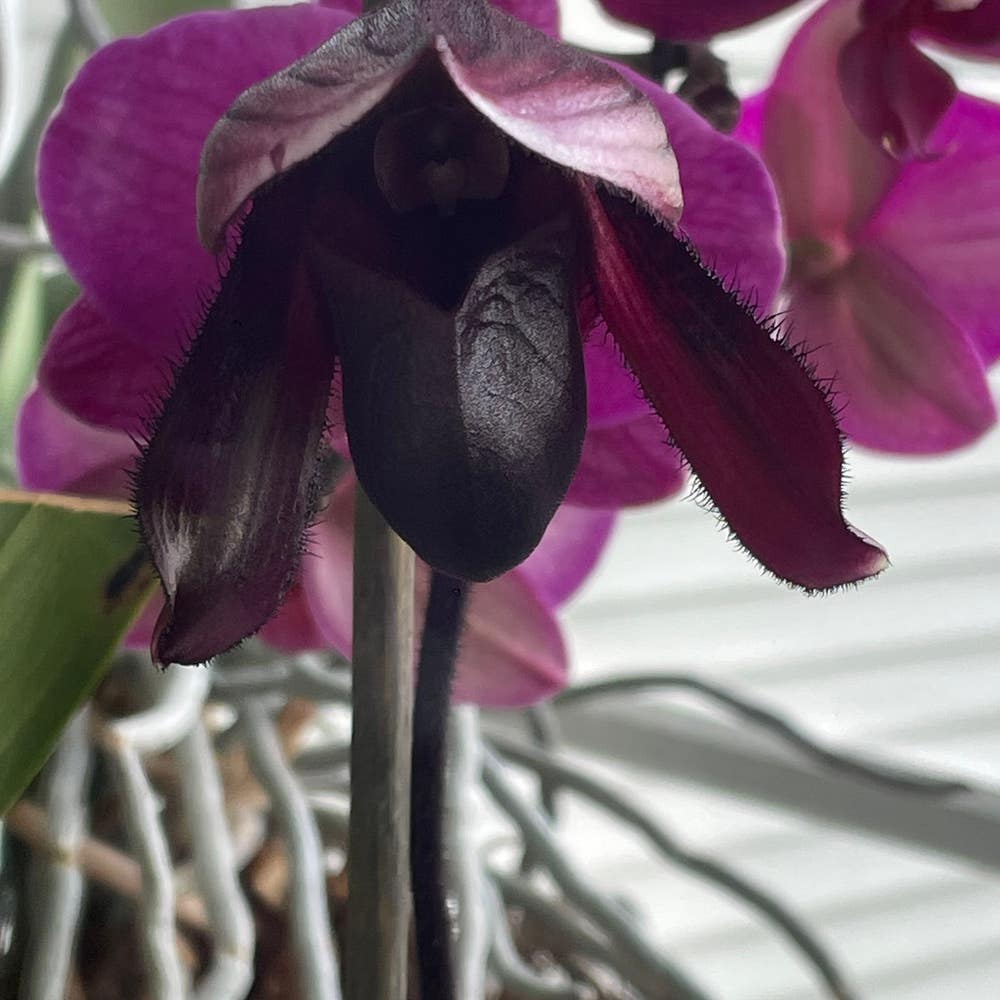
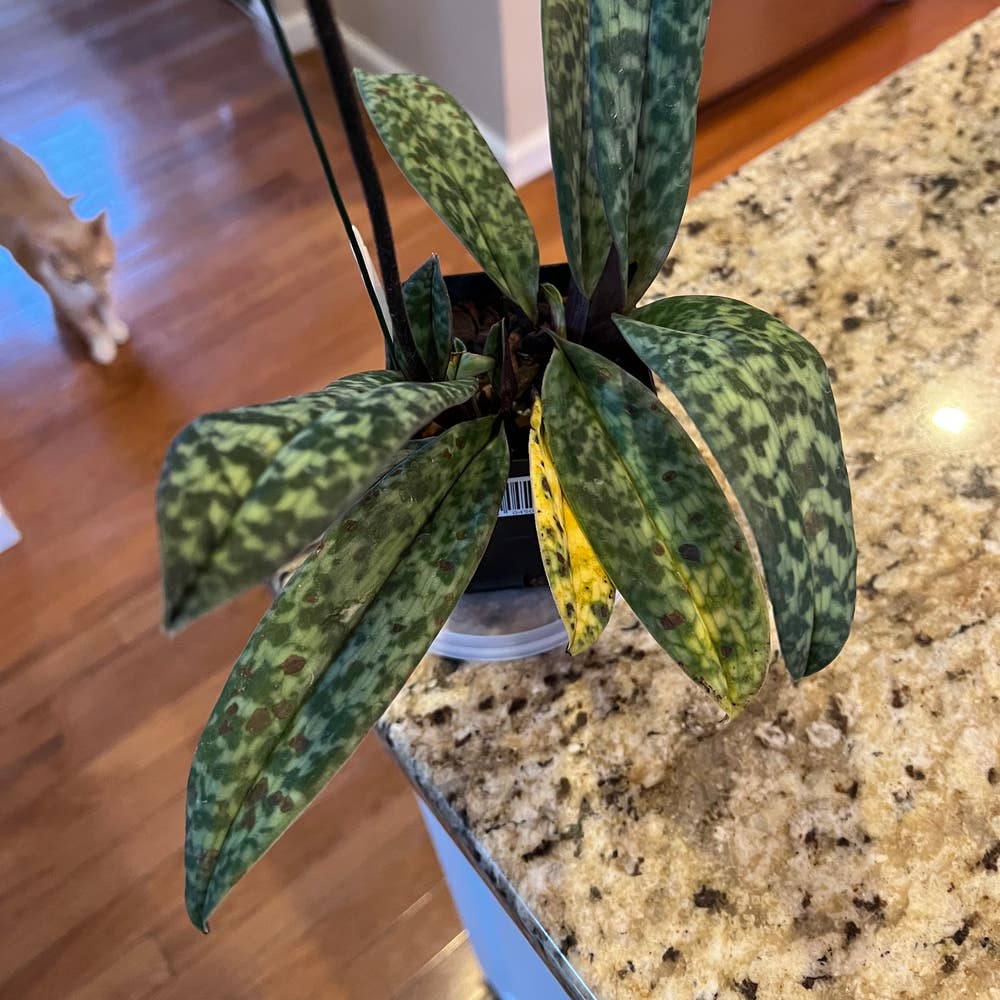
🌸 4 Ideal Locations to Plant Sukhakul's Paphiopedilum
Paphiopedilum sukhakulii
By the Greg Editorial Team
Oct 02, 2024•4 min read
This article was created with the help of AI so we can cover more plants for you. May contain errors. See one? Report it here.
Transform your Sukhakul's Paphiopedilum into a stunning centerpiece with essential light and soil tips! 🌿
- 🌞 Sukhakul's Paphiopedilum thrives in 50-70% shade; avoid direct sunlight to prevent leaf burn.
- 🌱 Use well-draining, organic-rich soil with bark and perlite to prevent root rot.
- 🌿 Companion plants like ferns create a nurturing microclimate for optimal growth.
Sunlight Exposure
Optimal Light Conditions 🌤️
For Sukhakul's Paphiopedilum, the ideal light levels range from low to moderate, specifically 50-70% shade. This balance is crucial; while sufficient light is essential for blooming, it must be indirect to avoid harming the plant.
Shade vs. Direct Sunlight 🌳
Direct sunlight can be detrimental, leading to leaf burn and stress. To protect your Paphiopedilum, position it under trees or structures that filter sunlight, creating a more suitable environment for growth.
By understanding these light conditions, you can ensure your Paphiopedilum thrives beautifully. Next, let’s explore the importance of soil type for optimal growth.
Soil Type
Preferred Soil Conditions 🌱
For Sukhakul's Paphiopedilum, the right soil is crucial. You need well-draining, organic-rich soil to prevent root rot and ensure your plant thrives.
A recommended soil mix includes a combination of bark, perlite, and sphagnum moss. This blend not only retains moisture but also allows excess water to escape, keeping the roots healthy.
Drainage Requirements 🚰
Proper drainage is vital for your Paphiopedilum. It prevents waterlogging, which can lead to unhealthy roots and stunted growth.
To enhance drainage, consider incorporating materials like pumice or coarse sand into your soil mix. These amendments create air pockets that promote healthy root development and overall plant vitality.
By focusing on these soil conditions and drainage requirements, you set the stage for a flourishing Paphiopedilum. Next, let’s explore how to position your plant in relation to others for optimal growth.
Proximity to Other Plants
🌱 Companion Planting Considerations
Choosing the right companions for Sukhakul's Paphiopedilum can significantly enhance its growth. Look for plants that thrive in similar humidity and light conditions, such as ferns or certain types of orchids.
Companion planting not only boosts humidity levels but also creates a nurturing microclimate. This can lead to healthier plants and more vibrant blooms.
🚫 Avoiding Overcrowding
Spacing is crucial when planting Sukhakul's Paphiopedilum. Ensure there’s enough room between plants to prevent competition for light and nutrients.
Watch for signs of overcrowding, such as stunted growth or reduced flowering. These indicators suggest that your plants need more space to thrive.
Understanding the dynamics of plant proximity can make a world of difference in your gardening success. Next, we’ll explore how to assess the best spot for your Paphiopedilum, focusing on sunlight patterns and microclimates.
Assessing the Best Spot
Evaluating Sunlight Patterns 🌞
Finding the right sunlight exposure for Sukhakul's Paphiopedilum is crucial. Morning sun is gentler and ideal, providing the warmth needed without the harshness of afternoon rays.
As seasons change, so does the light. Adjusting your plant's placement throughout the year can help optimize its exposure, ensuring it thrives in varying conditions.
Understanding Microclimates 🌤️
Microclimates can significantly impact your plant's health. Take time to observe temperature variations in different areas of your garden; some spots may be warmer or cooler than others.
Structures like walls, fences, and trees can create unique microclimates. These barriers can shield your Paphiopedilum from harsh conditions, enhancing its growing environment.
Understanding these factors will help you create the perfect spot for your plant, setting it up for success. Next, let’s explore the importance of wind protection and drainage for optimal growth.
Wind Protection and Drainage
Importance of Wind Protection 🌬️
Wind can be a sneaky adversary for Sukhakul's Paphiopedilum. Strong gusts can dry out the plant, leading to stress and reduced humidity levels.
To combat this, consider using natural barriers like fences or hedges. These structures can effectively shield your orchids from harsh winds, creating a more stable environment.
Ensuring Proper Drainage 🚰
Proper drainage is crucial for healthy root growth. To enhance soil structure, incorporate amendments like perlite or orchid bark.
If you're planting indoors, choose containers with drainage holes. A well-draining potting mix will help prevent waterlogging, ensuring your Paphiopedilum thrives.
By focusing on wind protection and drainage, you set the stage for your orchids to flourish. Next, let’s explore how to assess the best spot for your plants, considering sunlight patterns and microclimates.
⚠️ Safety First
This content is for general information and may contain errors, omissions, or outdated details. It is not medical, veterinary advice, or an endorsement of therapeutic claims.
Always consult a qualified healthcare professional before using any plant as food, medicine, or supplement.
Never eat any plant (or feed one to pets) without confirming its identity with at least two trusted sources.
If you suspect poisoning, call Poison Control (800) 222-1222, the Pet Poison Helpline (800) 213-6680, or your local emergency service immediately.
Spotted an error? Please report it here.
Create the perfect home for your Paphiopedilum 🌿 with Greg's tailored tips on light and soil, ensuring your orchids thrive and bloom beautifully!