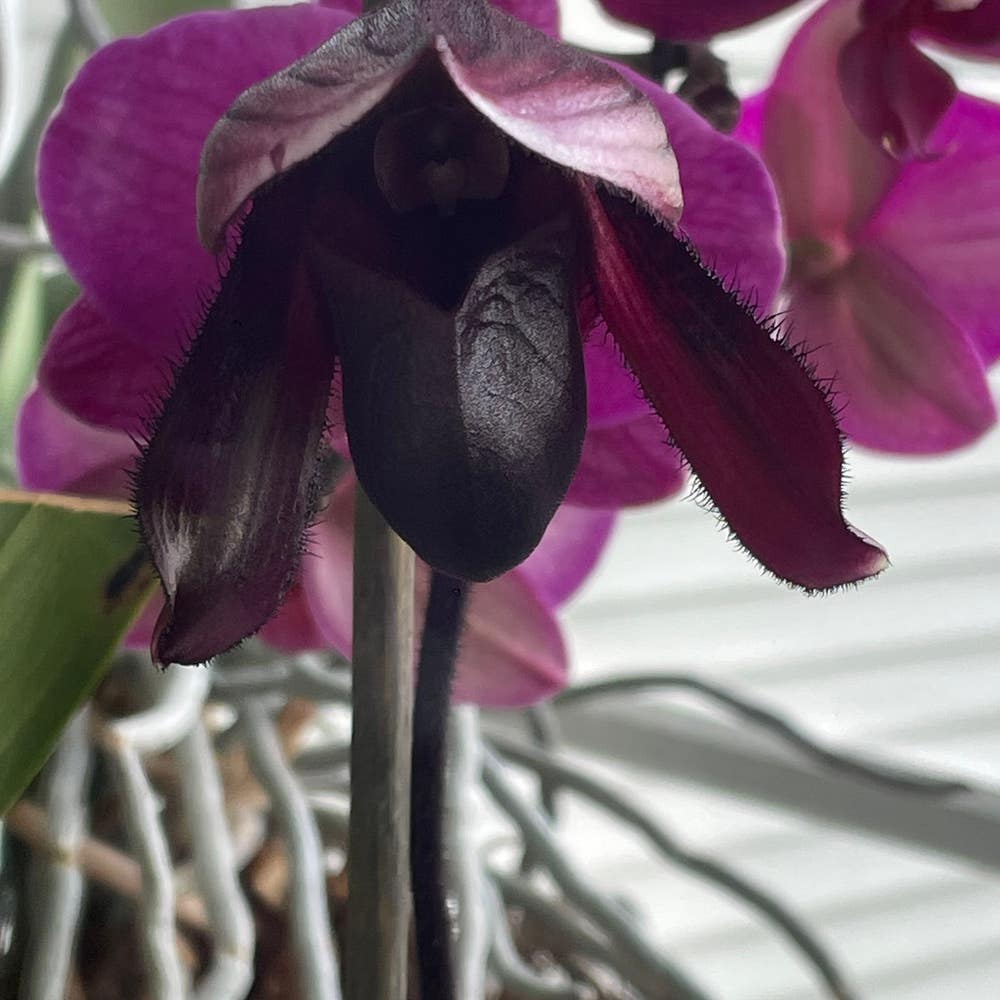
3 Winter Threats to Your Sukhakul's Paphiopedilum 🌸
Paphiopedilum sukhakulii
By the Greg Editorial Team
Oct 02, 2024•4 min read
This article was created with the help of AI so we can cover more plants for you. May contain errors. See one? Report it here.
Unlock a thriving spring for your Sukhakul's Paphiopedilum 🌱 by mastering essential winter care techniques today!
- 💧 Water Sukhakul's Paphiopedilum every 2-3 weeks in winter, adjusting for humidity.
- ❄️ Protect from frost by covering or moving indoors during cold nights.
- 🌱 Maintain humidity levels between 50-70% for optimal winter health.
Winter Care Requirements
Adjusting watering schedules during winter 🌧️
During winter, it's crucial to adjust your watering schedule for Sukhakul's Paphiopedilum. Aim to water every 2-3 weeks, depending on the humidity levels in your environment.
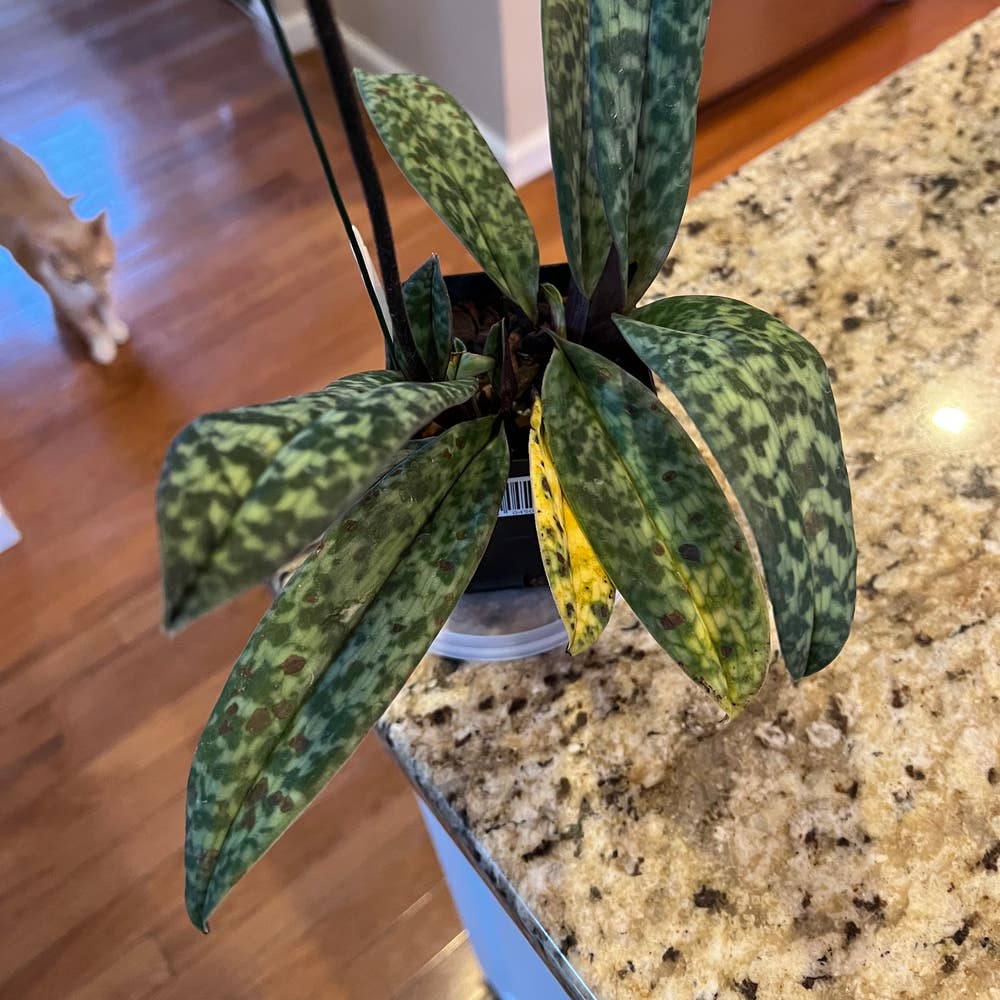
Watch for signs of overwatering, such as yellowing leaves and mushy roots. Using well-draining media is essential to prevent root rot, ensuring your plant stays healthy throughout the colder months.
Fertilizing needs in winter months ❄️
In winter, reduce your fertilization frequency to once a month. Opt for balanced, diluted orchid fertilizers that provide essential nutrients without overwhelming your plant.
Avoid high nitrogen fertilizers during this dormancy period, as they can encourage unwanted growth when your orchid needs to conserve energy.
Importance of humidity levels for winter care 💧
Maintaining the right humidity is vital for your Paphiopedilum's health. The ideal humidity range is between 50-70%, which helps keep the plant thriving.
To maintain humidity, consider using humidifiers, pebble trays, or occasional misting. Be alert for signs of low humidity stress, such as leaf curling and browning tips, which indicate your plant needs more moisture.
Transitioning into winter care requires attention to these details, ensuring your Sukhakul's Paphiopedilum remains vibrant and ready for the spring.
Protection from Frost
🥶 Identifying Frost Threats to Sukhakul's Paphiopedilum
Frost can be a sneaky adversary for your Sukhakul's Paphiopedilum. Common threats include sudden temperature drops and prolonged cold spells, which can catch even the most vigilant plant parent off guard.
Look for symptoms of frost damage, such as wilting leaves, discoloration, and a mushy texture. These signs indicate that your orchid is struggling and needs immediate attention.
🛡️ Methods for Providing Frost Protection
To shield your Paphiopedilum from frost, consider outdoor protection strategies like covering it with frost cloth or moving it indoors during particularly cold nights. This simple step can make a world of difference.
For indoor care, place your orchid near windows with indirect light but ensure it's away from drafts. Additionally, using heat mats can help maintain optimal temperatures for root health, giving your plant a cozy environment to thrive.
🌨️ Indoor vs. Outdoor Winter Care Considerations
Caring for your orchid varies significantly based on its location. Indoors, focus on humidity control, while outdoors, prioritize frost protection.
It's crucial to monitor temperature fluctuations both indoors and outdoors. Adjust your care based on specific environmental conditions to keep your Paphiopedilum healthy and happy throughout winter.
As you prepare for the next section on recovery from winter damage, remember that proactive frost protection can set the stage for a thriving spring.
Recovery from Winter Damage
🌨️ Signs of winter damage in Paphiopedilum
Winter can be tough on your Sukhakul's Paphiopedilum. Look out for common indicators like wilting, yellowing leaves, and stunted growth.
Assessing root health is crucial. Check for mushy or blackened roots, as these are signs of serious trouble.
🌱 Steps for recovery and care post-winter
To help your orchid bounce back, follow these steps:
- Remove damaged leaves and roots.
- Repot in fresh, well-draining orchid mix.
- Gradually reintroduce watering and fertilization.
- Monitor for signs of new growth.
These actions will set the stage for recovery and rejuvenation.
🌼 Preparing for spring growth after winter
As winter fades, acclimatizing your plant becomes essential. Gradually increase its light exposure to prepare for the warmer months ahead.
Adjust your watering and fertilization as temperatures rise. Keep an eye out for signs that your plant is ready for spring growth, such as new leaf development and root activity.
With these steps, your Paphiopedilum will thrive as it transitions into spring, ready to flourish in the new season.
Spring Preparation
Transitioning Care from Winter to Spring 🌱
As winter fades, it's time to gradually increase your watering frequency for Sukhakul's Paphiopedilum. Shift to weekly watering to ensure your plant receives the moisture it craves.
Adjusting light exposure is equally crucial. Increase both the duration and intensity of light to help your orchid thrive as it awakens from dormancy.
Adjusting Light and Temperature for Spring Growth 🌞
Spring brings a shift in temperature, ideally ranging from 20°C to 25°C (68°F to 77°F). This warmth is essential for stimulating growth.
Bright, indirect light is your plant's best friend during this season. It promotes healthy growth and helps your orchid flourish.
Fertilization and Watering Adjustments for Spring Recovery 🌼
For fertilization, switch to a bi-weekly schedule using a balanced orchid fertilizer. This will provide the nutrients your plant needs to bounce back.
Monitoring moisture levels is vital. Aim for consistent moisture without sogginess to prevent root rot.
Lastly, keep an eye on your plant's response. Adjust your care based on its growth patterns to ensure optimal health.
As you prepare for spring, remember that each adjustment you make contributes to your orchid's vibrant revival. Transitioning from winter care sets the stage for a flourishing season ahead.
⚠️ Safety First
This content is for general information and may contain errors, omissions, or outdated details. It is not medical, veterinary advice, or an endorsement of therapeutic claims.
Always consult a qualified healthcare professional before using any plant as food, medicine, or supplement.
Never eat any plant (or feed one to pets) without confirming its identity with at least two trusted sources.
If you suspect poisoning, call Poison Control (800) 222-1222, the Pet Poison Helpline (800) 213-6680, or your local emergency service immediately.
Spotted an error? Please report it here.
Keep your Sukhakul's Paphiopedilum thriving this winter ❄️ by adjusting your watering and humidity levels, and let Greg's tailored reminders guide you to success every step of the way!