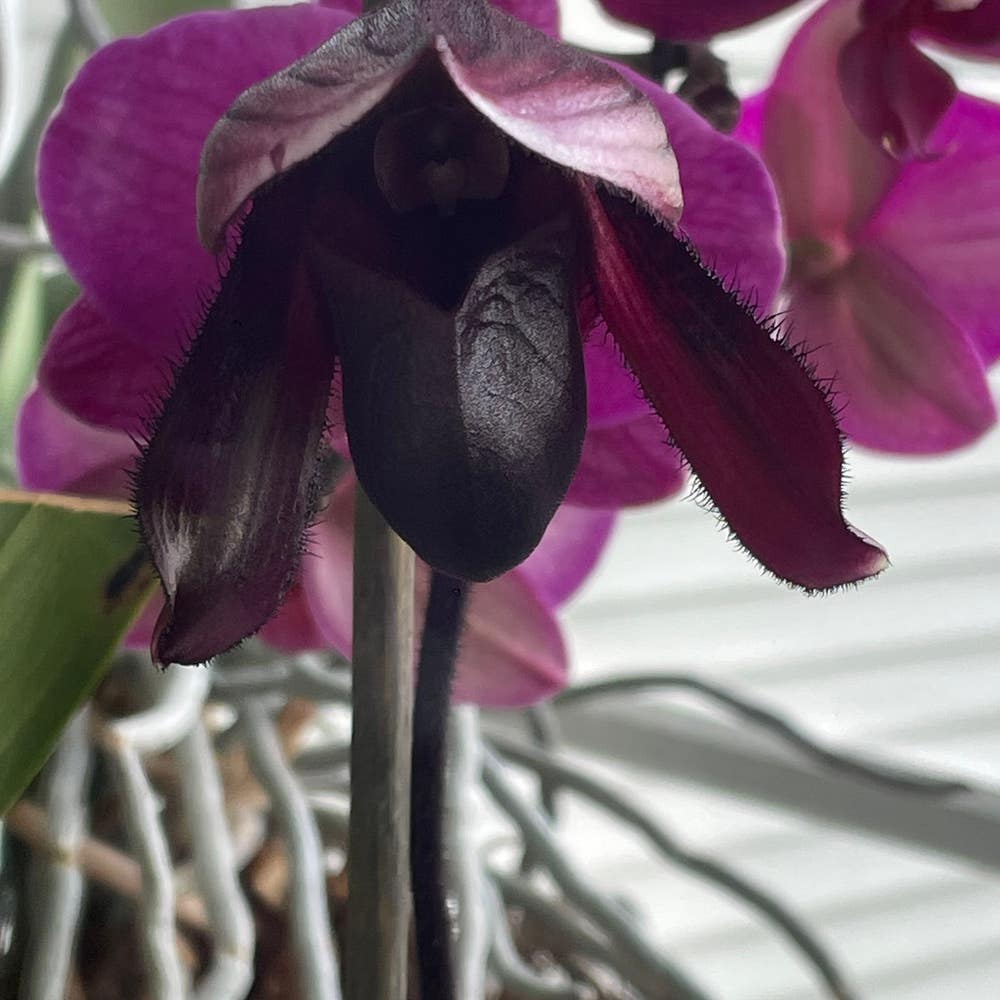
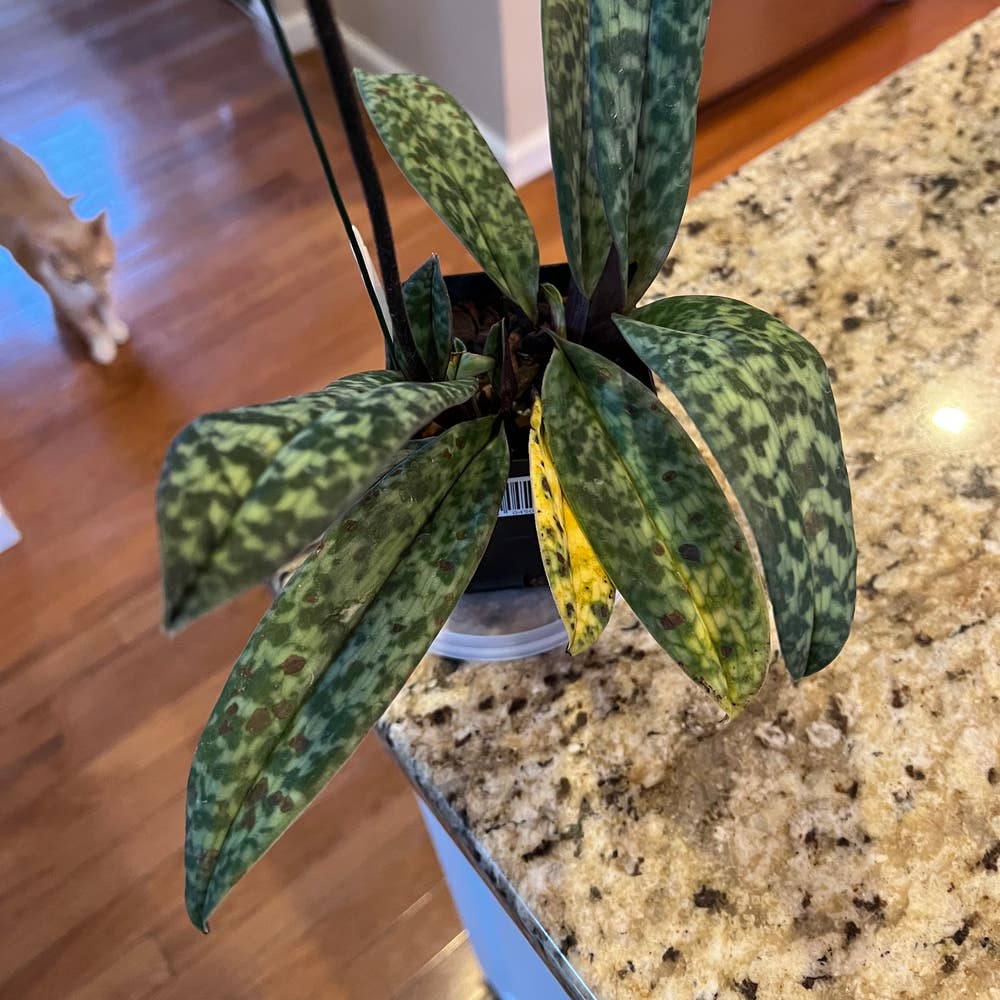
🌞 How Much Sunlight For Your Paphiopedilum sukhakulii
Paphiopedilum sukhakulii
By the Greg Editorial Team
Apr 16, 2024•4 min read
This article was created with the help of AI so we can cover more plants for you. May contain errors. See one? Report it here.
Nurture your Paphiopedilum sukhakulii to full bloom 🌸 by mastering its ideal light balance! 🌗
- Dappled light is key for Paphiopedilum sukhakulii, mimicking its forest habitat.
- 🍃 Medium-green leaves indicate perfect light; yellow or scorched leaves mean adjust.
- Grow lights can substitute sunlight, ensuring 10-11 hours of optimal light daily.
Sunlight: The Indoor Balancing Act
🌿 Finding the Sweet Spot for Indoor Light
Paphiopedilum sukhakulii thrives in dappled light, much like its natural forest floor habitat. To replicate this indoors, place your orchid near an east or north-facing window. Morning light is gentle, mimicking the soft sunbeams that filter through the trees. Watch for signs of distress: leaves that darken indicate a need for more light, while yellowing or scorching suggests too much.
🛡️ Protecting Your Orchid from Indoor Light Extremes
Your home can turn into a solar cooker if you're not careful. Sheer curtains are your best defense, softening the intense midday rays that threaten to overwhelm your Paphiopedilum sukhakulii. Rotate the plant regularly to avoid uneven growth and ensure all sides receive their share of light. As seasons change, so should your orchid's position; shorter days in winter might call for a spot closer to the window, while summer may require a step back.
Outdoor Light: A Shady Affair
⛅️ Ideal Outdoor Spots for Your Paphiopedilum
Finding the right spot outdoors for your Paphiopedilum sukhakulii is like choosing the best table at a café—location matters. Aim for areas that offer filtered sunlight, similar to the dappled light of a forest understory. A place under a tree or behind a sheer canopy could be your orchid's new favorite hangout.
Remember, your Paphiopedilum sukhakulii's leaves are tattle-tales; they'll show signs of distress if the light is too harsh. Medium-green leaves mean you've hit the jackpot, while pale or yellow leaves are a cry for less light.
🍂 Seasonal Considerations for Outdoor Light Exposure
As the seasons change, so should your orchid's outdoor location. Spring growth thrives with a mix of sun and shade. Come summer, think like a lifeguard slathering on sunblock—more shade to protect from scorching rays. Fall requires a keen eye to ensure your plant still catches enough light as the days grow shorter. And in winter, every ray counts, so maximize light exposure while shielding from frosty threats.
🌬️ Weathering the Elements
Outdoor life for Paphiopedilum sukhakulii isn't just about the right light; it's also about dodging the bullets of extreme weather. Heatwaves and cold snaps can be as unforgiving as a critic's pen. Be ready to act like a plant bodyguard, moving your orchid to a safer location or indoors when the weather turns foul.
To prevent your orchid from becoming a crispy critter, use shade cloths or position it in areas that naturally filter the midday sun. And remember, as the sun's angle shifts with the seasons, so should your plant's outdoor stage. Keep an eye on the light, and your Paphiopedilum sukhakulii will keep on strutting its stuff.
Let There Be Light... and Flowers!
💡 The Light-Flowering Connection
Light intensity is crucial for the blooming of Paphiopedilum sukhakulii. It's like a switch that tells the orchid when it's showtime. Get it right, and you're rewarded with a floral spectacle. Get it wrong, and it's a no-show.
🕰️ Timing and Duration of Light for Optimal Blooms
Consistency is key. Paphiopedilum sukhakulii thrives on about 10-11 hours of light per day. But not just any light; it needs the Goldilocks zone of around 10000-12000 lux. Too much direct sunlight, and you'll have a sunburnt orchid on your hands. Too little, and your plant's blooming potential is wasted.
To keep your Paphiopedilum sukhakulii in its happy place, monitor the light like a hawk. If you're indoors, play around with placement—near a window but out of the direct firing line of the sun's rays. And remember, while light is a key player, it's not the sole factor in flowering. Your orchid's overall health, including proper watering and fertilization, also contributes to its ability to bloom. Keep an eye out for budding signs and adjust your care routine accordingly to support your plant's floral ambitions.
Grow Lights: The Indoor Sun Substitute
💡 Choosing the Right Grow Light
Grow lights are a lifeline for Paphiopedilum sukhakulii when sunlight is a scarce commodity. LEDs are the energy-efficient darlings of the grow light world, offering a spectrum that can be tailored to your orchid's needs. Fluorescents are the understudies—less precise but cooler, reducing the risk of overheating your precious plant.
🛠 Setting Up Your Indoor Lighting System
Proper setup is key to grow light success. Position the lights to bathe your orchid in even light, mimicking the gentle morning sun. Keep them at a safe distance—too close and you risk scorching leaves, too far and your plant stretches awkwardly for light. Timers are your best friend, automating the light cycle to provide 10-11 hours of light, as recommended for Paphiopedilum sukhakulii. This setup ensures your orchid gets the right amount of light without you having to play switch operator.
⚠️ Safety First
This content is for general information and may contain errors, omissions, or outdated details. It is not medical, veterinary advice, or an endorsement of therapeutic claims.
Always consult a qualified healthcare professional before using any plant as food, medicine, or supplement.
Never eat any plant (or feed one to pets) without confirming its identity with at least two trusted sources.
If you suspect poisoning, call Poison Control (800) 222-1222, the Pet Poison Helpline (800) 213-6680, or your local emergency service immediately.
Spotted an error? Please report it here.
Nurture your Paphiopedilum sukhakulii to blooming perfection 🌞 with Greg's tailored reminders for the ideal light and care routine.