🌺 Why Sukhakul's Paphiopedilum Is A Perennial Plant
Paphiopedilum sukhakulii
By the Greg Editorial Team
Oct 02, 2024•6 min read
This article was created with the help of AI so we can cover more plants for you. May contain errors. See one? Report it here.
Unlock the secret to year-round blooms with Sukhakul's Paphiopedilum, a resilient perennial that thrives in any garden! 🌱
- 🌸 Sukhakul's Paphiopedilum is a perennial orchid, thriving and blooming for years.
- 🌱 Healthy roots and ideal conditions ensure vibrant growth and multiple flowering cycles.
- ❄️ Dormancy is natural; adjust care during fall and winter for optimal health.
Characteristics of Sukhakul's Paphiopedilum as a Perennial
Multi-Year Lifecycle and Growth Patterns 🌱
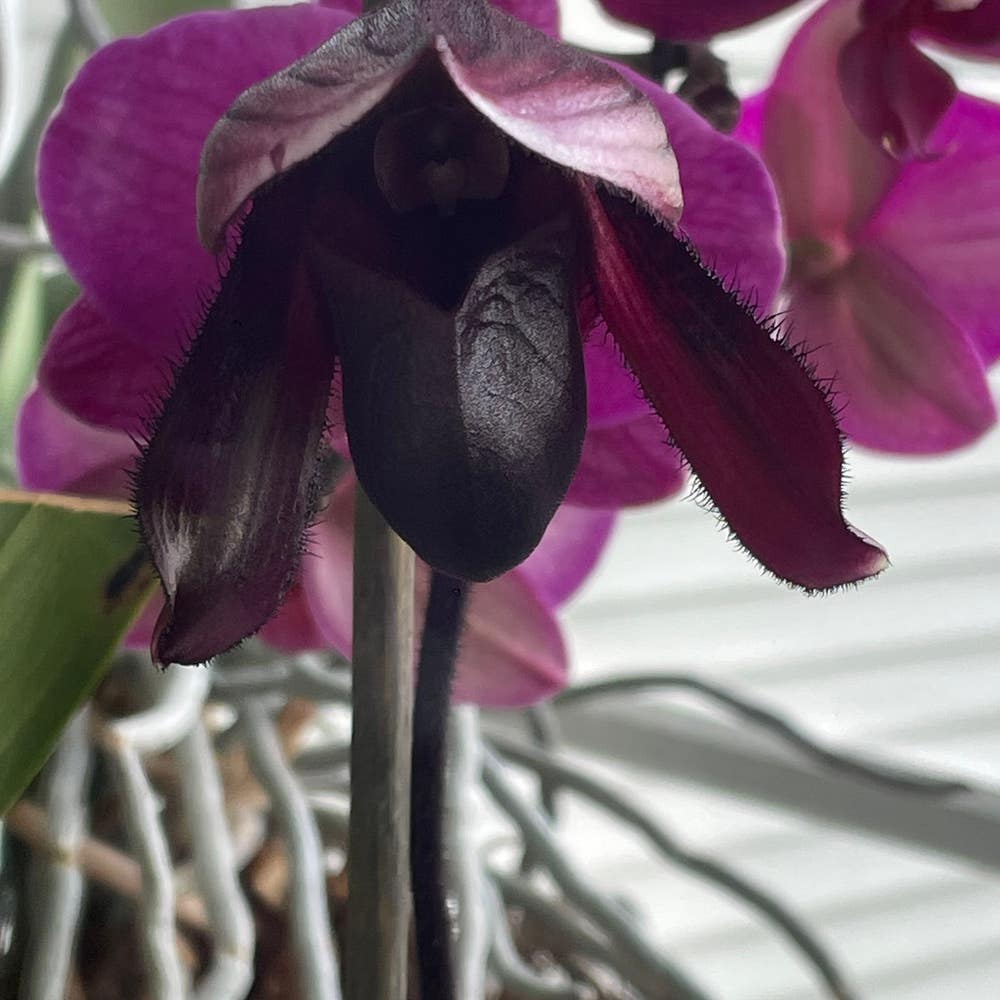
Sukhakul's Paphiopedilum showcases a unique flower structure that captivates plant enthusiasts. Its multi-year lifecycle allows it to thrive and bloom repeatedly, making it a fascinating addition to any garden.
Seasonal Growth Phases 🌸
This perennial plant experiences distinct seasonal growth phases. Active growth occurs in spring and summer, while it enters a dormancy period during the fall and winter months.
Importance of Root Health 🥕
Healthy roots are crucial for the regrowth and longevity of Sukhakul's Paphiopedilum. Strong root systems not only support the plant during its active phases but also ensure it can withstand dormancy effectively.
Understanding these characteristics helps gardeners appreciate the resilience and beauty of Sukhakul's Paphiopedilum. As we delve deeper, we'll explore how its perennial nature impacts growth and flowering.
Impact of Perennial Nature on Growth and Flowering
🌸 Flowering Cycles and Longevity
Sukhakul's Paphiopedilum boasts a fascinating flowering cycle that can bring joy year after year. These orchids typically bloom seasonally, with their flowering influenced by light, temperature, and humidity levels.
The frequency of blooms can vary, but with the right conditions, you can expect vibrant flowers during the spring and summer months. Adequate light is crucial; too little can hinder flowering, while too much can scorch the leaves.
Temperature also plays a significant role. Ideal conditions usually range from 70°F to 80°F during the day and slightly cooler at night. Humidity levels should be maintained around 50-70% to encourage healthy growth and flowering.
When comparing Sukhakul's Paphiopedilum to annual and biennial plants, its average lifespan stands out. While annuals complete their life cycle in one season and biennials take two, these perennials can thrive for many years, often blooming multiple times within that span.
Longevity in these orchids is influenced by several factors. Proper care, including watering and fertilization, is essential to keep them healthy. Additionally, the environment plays a critical role; a stable, nurturing setting can significantly extend their lifespan.
Pests can pose a threat, but with vigilant monitoring and timely intervention, you can protect your plants. By understanding these dynamics, you can maximize the beauty and longevity of Sukhakul's Paphiopedilum in your garden.
As we explore the next section, we'll delve into the dormancy periods of these orchids and how they affect care and growth.
Dormancy and Seasonal Changes
Dormancy Periods and Their Implications 🌱
Sukhakul's Paphiopedilum experiences distinct dormancy periods that are crucial for its health. During dormancy, the plant shows reduced growth and may appear lifeless, but this is a natural phase that allows it to conserve energy.
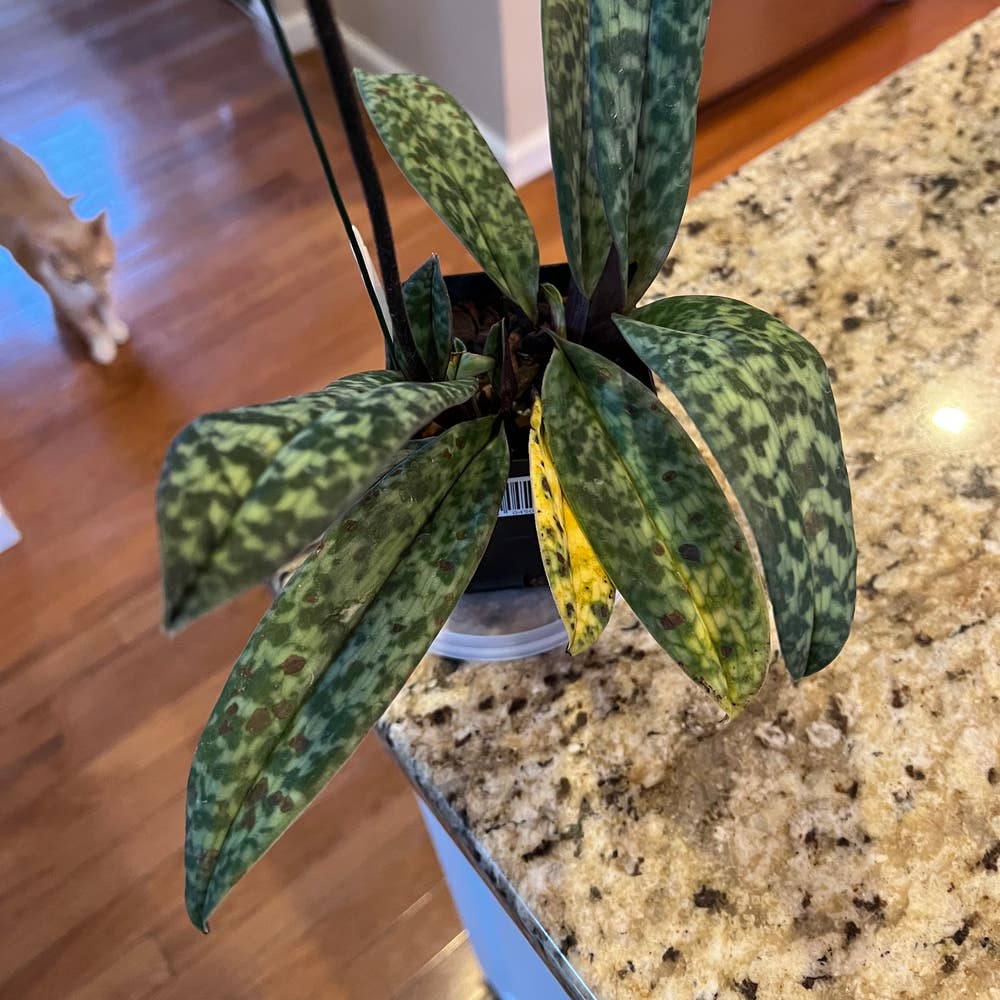
Typically, dormancy lasts from late fall to early spring. Signs include yellowing leaves and a halt in new growth. Recognizing these signs helps you adjust care routines effectively.
Effects of Temperature and Light on Dormancy 🌡️
Temperature and light play significant roles in the dormancy of Sukhakul's Paphiopedilum. Cooler temperatures and reduced light levels signal the plant to enter dormancy, mimicking its natural habitat.
To support your plant during this phase, minimize watering and avoid fertilizing. Adjusting light exposure can also help; providing indirect light can ease the transition back to active growth when spring arrives.
Understanding these dormancy patterns not only enhances your plant care but also prepares you for the vibrant growth phases ahead. As you navigate these seasonal changes, you'll be better equipped to nurture your Paphiopedilum through its life cycle.
Next, let's explore the advantages of this perennial nature for gardeners.
Advantages for Gardeners
🌱 Benefits of Perennial Nature
Sukhakul's Paphiopedilum offers gardeners a long-term investment that pays off in sustainability. Unlike annuals, these perennials reduce waste and save you money over time.
Established root systems are another significant advantage. They enhance nutrient uptake, making the plant more resilient to environmental changes.
💰 Cost-Effectiveness and Reduced Waste
Investing in perennials like Sukhakul's Paphiopedilum means fewer replacements each year. This not only cuts costs but also minimizes the environmental impact associated with frequent plant disposal.
🌿 Enhanced Nutrient Uptake
With their deep and robust root systems, these orchids can access nutrients more efficiently. This leads to healthier plants that require less frequent fertilization.
🌍 Resilience in Varied Conditions
The resilience of Sukhakul's Paphiopedilum makes it an excellent choice for various gardening conditions. Its ability to thrive in different environments means less worry for gardeners.
Incorporating Sukhakul's Paphiopedilum into your garden not only enriches your space but also aligns with sustainable gardening practices.
As we explore the variations across climate zones, you'll discover how to adapt your care strategies for optimal growth.
Variations Across Climate Zones
🌡️ Influence of Climate on Behavior
Sukhakul's Paphiopedilum thrives in various climates, but temperature and humidity significantly impact its growth and flowering. In warmer, humid environments, these orchids often exhibit vigorous growth and frequent blooms.
Conversely, cooler climates can slow down their development. Here, the plant may enter dormancy earlier, affecting its flowering cycle.
🛠️ Adaptation Strategies and Care Adjustments
To ensure healthy growth, adjust care based on your climate. In hot, humid areas, provide adequate airflow to prevent fungal issues.
For cooler regions, consider using grow lights to supplement natural light during shorter days. Additionally, maintaining consistent humidity levels can help mimic the plant's native environment.
By understanding these climate influences, you can better support Sukhakul's Paphiopedilum, ensuring it flourishes year after year. This knowledge not only enhances your gardening experience but also deepens your connection with these remarkable plants.
Maximizing Benefits in Garden Planning
Tips for Long-Term Cultivation and Integration 🌱
Maintaining Sukhakul's Paphiopedilum requires attention to its unique needs. Regular watering during the active growth phase is crucial, but be careful not to overwater, as this can lead to root rot.
Ensure your plant receives bright, indirect light to promote healthy growth. A well-draining potting mix will support root health, allowing your Paphiopedilum to thrive year after year.
Strategies for Companion Planting 🌼
Companion planting can enhance the beauty and health of your garden. Pair Sukhakul's Paphiopedilum with plants that share similar light and moisture requirements, such as ferns or shade-loving perennials.
This not only creates a visually appealing arrangement but also helps maintain humidity levels, which is beneficial for your orchids.
Designing for Seasonal Interest 🎨
Incorporating Sukhakul's Paphiopedilum into your garden design can create stunning seasonal displays. Plan for a mix of plants that bloom at different times to ensure continuous color and interest throughout the year.
Consider layering taller plants behind your Paphiopedilum to create depth. This approach not only highlights the unique flowers but also provides a supportive environment for your orchids.
Conclusion
By following these best practices and strategies, you can maximize the benefits of Sukhakul's Paphiopedilum in your garden. With thoughtful planning and care, this perennial plant can bring beauty and joy for many seasons to come.
Next, let’s explore how climate variations can influence the growth and behavior of Sukhakul's Paphiopedilum.
⚠️ Safety First
This content is for general information and may contain errors, omissions, or outdated details. It is not medical, veterinary advice, or an endorsement of therapeutic claims.
Always consult a qualified healthcare professional before using any plant as food, medicine, or supplement.
Never eat any plant (or feed one to pets) without confirming its identity with at least two trusted sources.
If you suspect poisoning, call Poison Control (800) 222-1222, the Pet Poison Helpline (800) 213-6680, or your local emergency service immediately.
Spotted an error? Please report it here.
Sukhakul's Paphiopedilum is a captivating perennial that blooms year after year, and with Greg's custom watering alerts 💧 and humidity tracking, you'll keep it thriving through every seasonal change!