How Should Paphiopedilum sukhakulii Be Cut Back?
Paphiopedilum sukhakulii
By the Greg Editorial Team
Apr 16, 2024•4 min read
This article was created with the help of AI so we can cover more plants for you. May contain errors. See one? Report it here.
Ensure vibrant Paphiopedilum blooms 🌸 with our expert guide on precise, timely pruning.
- Prune post-flowering or during dormancy, ideally in late winter or early spring.
- Use sterilized shears for precise cuts and to prevent disease.
- Aftercare is crucial: adjust water and light, watch for new growth.
Timing Your Trims Just Right
🌸 Spotting the Signs of a Prune-Ready Plant
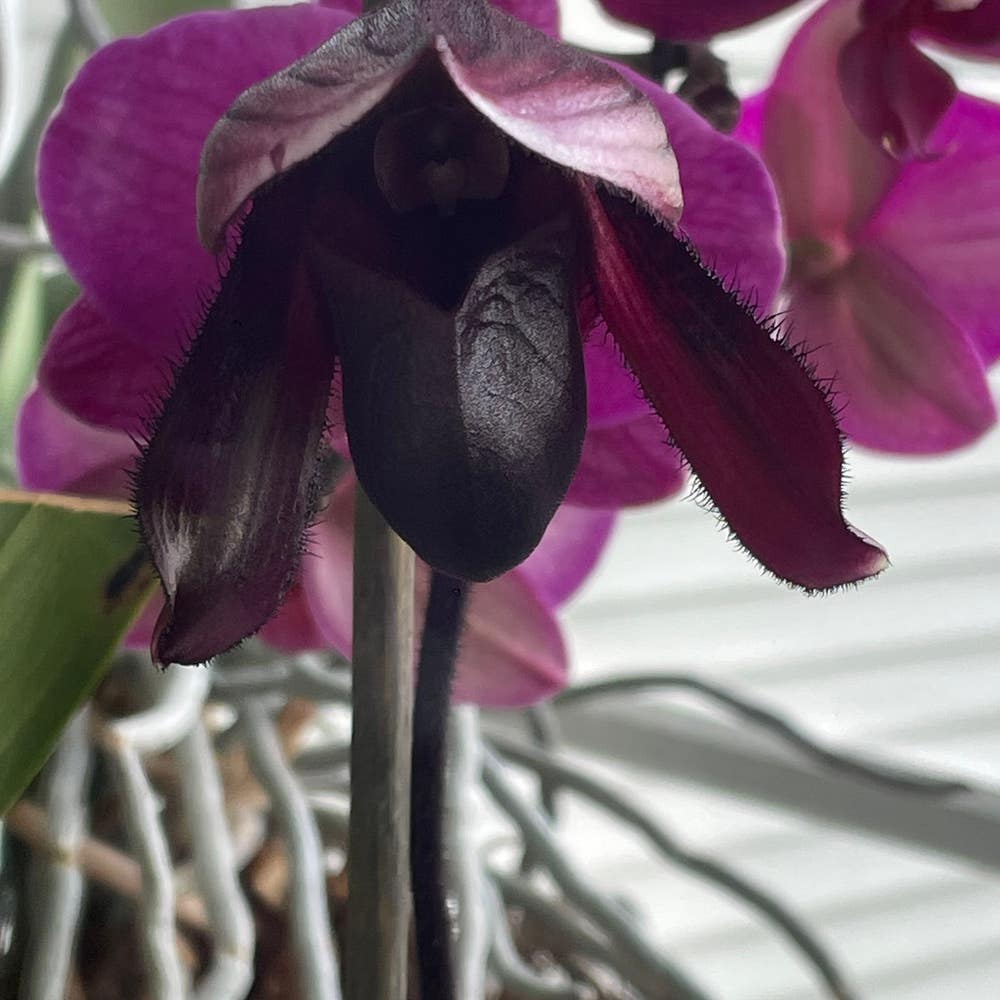
Post-flowering is your plant's way of saying, "I'm done showing off." That's when you should consider pruning your Paphiopedilum sukhakulii. Look for the dormancy period—it's like the plant's off-season, where it conserves energy for the next big show.
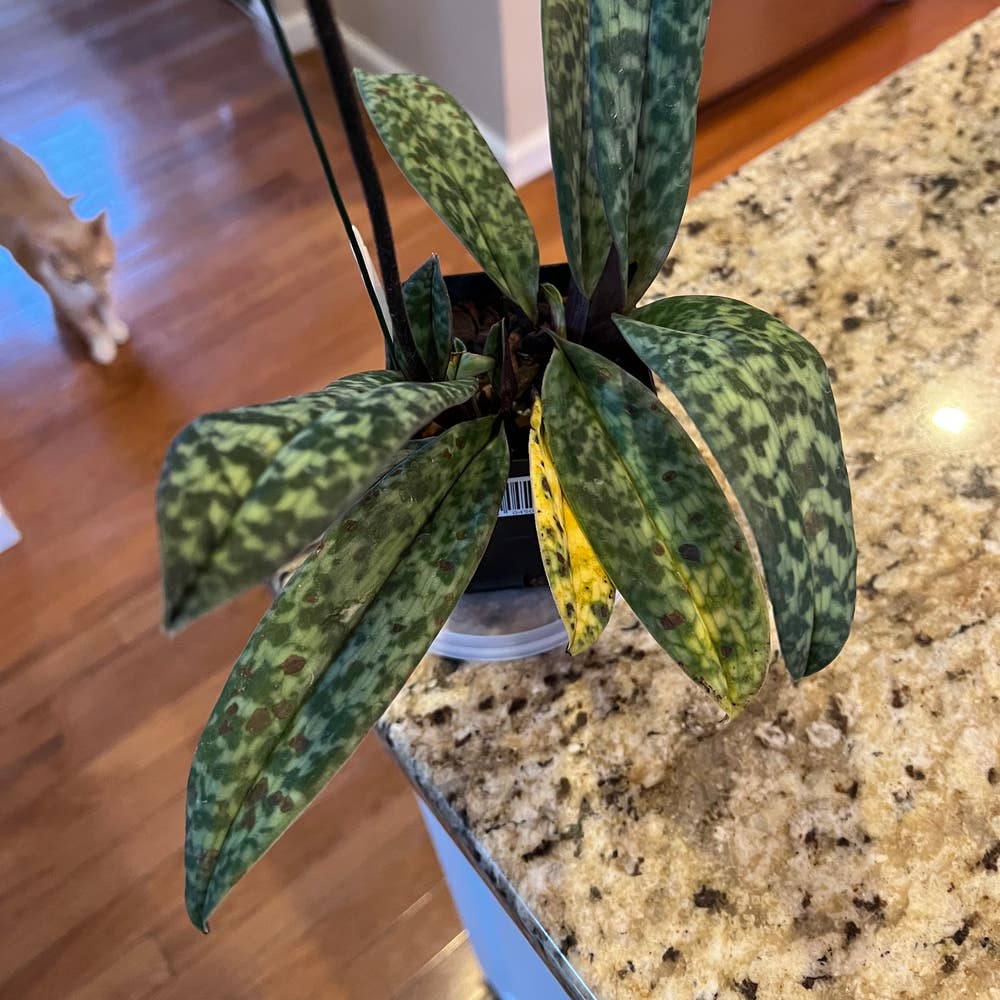
Old growth can be spotted as the leaves that have lost their luster and are often overshadowed by the new, vibrant ones. These oldies are your cue to get snipping.
🌱 Seasonal Considerations
The best seasons for pruning aren't just a matter of preference—they're about plant psychology. Late winter or early spring is the sweet spot, as the plant is gearing up for growth and can heal faster.
Pruning during the wrong season is like waking up your plant with a cold splash of water—it's shocking and unnecessary. Stick to the right timing and your orchid won't hold a grudge.
Pruning with Precision
🛠️ Choosing Your Tools
Selecting the right tools is crucial for the delicate task of pruning Paphiopedilum sukhakulii. Your go-to should be sterilized, sharp pruning shears; they're the orchid equivalent of a surgeon's scalpel. Think precision over power—bypass pruners are your best bet, offering clean cuts without crushing the plant's tissue.
📏 Step-by-Step Pruning Guide
- Identify spent flower spikes and old growth. These are energy-drainers and no longer contribute to your orchid's splendor.
- Make the cut above the node. This is where new growth will spring from, so be precise.
- Remove yellowing leaves. They're the plant's way of waving a white flag.
- Aim for balance and symmetry when shaping. It's not a topiary contest, but aesthetics matter.
- Snip conservatively. Over-pruning can send your orchid into shock. Less is more.
- Disinfect your tools before and after use. Bacteria love a dirty blade, and so does plant disease.
Remember, each cut is a directive, guiding your Paphiopedilum sukhakulii on where to focus its energy. Prune with intention and watch your orchid flourish.
After the Snip: Immediate Aftercare
🌱 Post-Pruning Plant TLC
Once you've pruned your Paphiopedilum sukhakulii, it's time for some serious plant parenting. Adjust your watering—the plant will need less now that it's had a trim. Overwatering can lead to root rot, which is basically a death sentence in the plant world.
Keep the feeding light. Your orchid isn't running a marathon; it's taking a leisurely stroll back to health. Hold off on the fertilizer until you see new growth. It's like waiting for a sign from the universe, but in this case, it's your plant telling you it's ready.
Ensure the light is just right—bright but indirect. Direct sunlight is a no-go; it's like putting a recovering patient in a tanning bed. And for humidity, think tropical paradise, not desert island. Your orchid's comfort is key.
🌱 Watching for Regrowth
Now, play the waiting game. Look for new shoots—they're the first hello from your recovering orchid. No new growth yet? Don't panic. Plants don't operate on human schedules.
If you notice any signs of distress, like yellowing leaves or a sad, droopy demeanor, it's time to reassess. Maybe it needs a change of scenery or a slight tweak in watering. Remember, you're not just keeping a plant alive; you're nurturing a living thing back to its full glory.
Avoiding the Ouch: Pruning Safely
🌱 Common Pruning Pitfalls
Pruning your Paphiopedilum sukhakulii should be a safe affair for both you and the plant. Overzealous cuts can lead to more than just a plant's bad hair day; they can cause lasting damage. Avoid cutting too close to the 'crown' or base of the plant, as this can invite disease and rot. It's crucial to differentiate between what's dead and what's dormant. Dormant parts may look dead but are just waiting for their time to shine.
🧼 Keeping It Clean
Sterilization is your pruning mantra. Before you make that first cut, ensure your tools are as clean as a whistle. Dirty tools are like a Trojan horse for bacteria and fungi, which can wreak havoc on your orchid. After each cut, wipe your shears with rubbing alcohol or a bleach solution to prevent the spread of any potential pathogens. Remember, you're a gardener, not a germ courier.
⚠️ Safety First
This content is for general information and may contain errors, omissions, or outdated details. It is not medical, veterinary advice, or an endorsement of therapeutic claims.
Always consult a qualified healthcare professional before using any plant as food, medicine, or supplement.
Never eat any plant (or feed one to pets) without confirming its identity with at least two trusted sources.
If you suspect poisoning, call Poison Control (800) 222-1222, the Pet Poison Helpline (800) 213-6680, or your local emergency service immediately.
Spotted an error? Please report it here.
Ace your orchid's pruning season ✂️ with Greg's tailored reminders for the perfect post-flowering trim, ensuring your Paphiopedilum sukhakulii stays balanced, beautiful, and blooming.