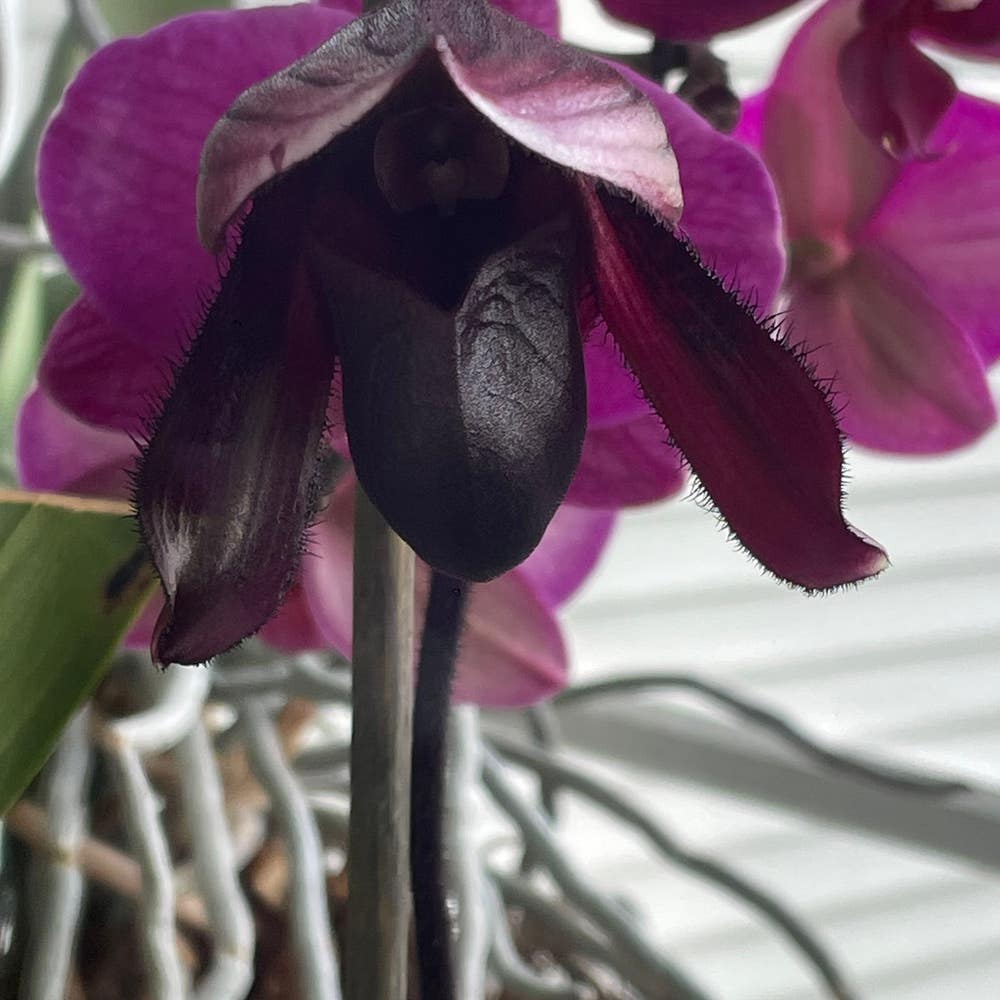
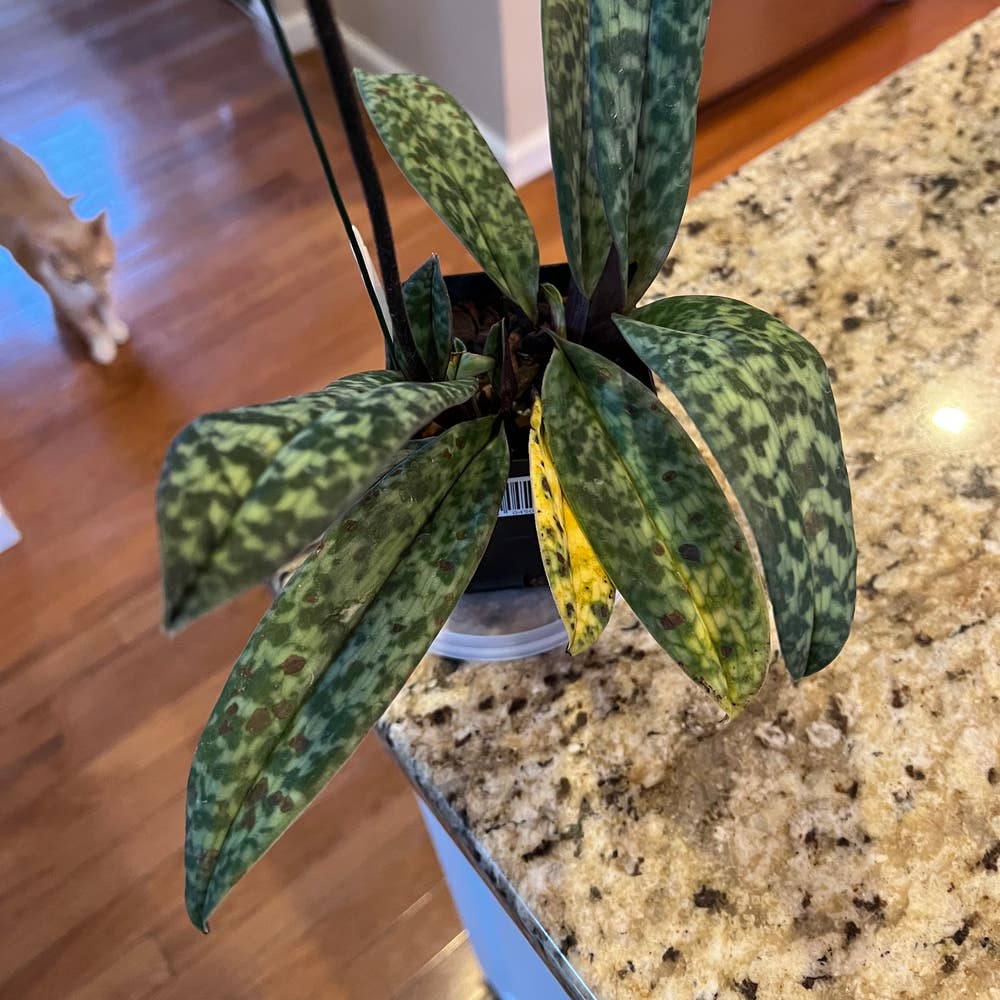
Why Is My Paphiopedilum sukhakulii Dropping Leaves?
Paphiopedilum sukhakulii
By the Greg Editorial Team
Apr 16, 2024•5 min read
This article was created with the help of AI so we can cover more plants for you. May contain errors. See one? Report it here.
Stop your orchid's SOS 🍂 and learn proactive ways to prevent leaf drop in your Paphiopedilum sukhakulii.
- 🍂 Unnatural leaf loss signals stress; monitor for yellowing or wilting.
- 🌡️💧 Balance light, water, temperature to maintain orchid health.
- 🛡️ Prevent pests, diseases, and over-care with regular checks and proper watering.
Spotting the Red Flags: When Leaf Dropping Is a Cry for Help
🍂 Natural vs. Unnatural Leaf Loss
Normal aging in Paphiopedilum sukhakulii involves the occasional leaf bidding farewell as it makes room for new growth. This is a serene, expected process. However, when your orchid starts shedding leaves like a dog in summer, it's time to perk up and take notice. Unnatural leaf loss is sporadic, often affecting more than just the oldest leaves, and it doesn't send a save-the-date—it's an uninvited guest signaling that your plant is under stress.
🚨 Symptoms That Spell Trouble
Leaves that turn yellow quicker than a banana on a windowsill or wilt as if they've lost their life's purpose are not just being dramatic; they're sounding the alarm. If your Paphiopedilum sukhakulii's leaves detach with less effort than it takes to click a mouse, it's a distress signal. Brown spots or a texture that reminds you of overcooked spinach? That's your orchid's version of waving a white flag. Keep a vigilant eye out for these symptoms; catching them early is like winning the plant parent lottery.
The Usual Suspects: Identifying Causes of Leaf Dropping
🌞 Environmental Missteps
Light, water, and temperature are the trifecta of plant health. Get one wrong, and your Paphiopedilum sukhakulii might start shedding leaves like a dog in summer. Bright, indirect light is the sweet spot; anything more is a sunburn waiting to happen, anything less is a one-way ticket to droop city.
🌡️ Temperature and Humidity: The Balancing Act
Keep the temperature steady—orchids aren't fans of surprise weather changes. Humidity is another tightrope walk; aim for that Goldilocks zone where it's not too dry, not a steam bath. It's about creating a stable microclimate where your orchid can thrive without throwing a tantrum.
🐜 The Attack of Pests and Diseases
Pests and diseases are the uninvited guests that love to crash the party. Spider mites, mealybugs, and fungal foes can turn your orchid's leaves into a dropping frenzy. Regular check-ups and a clean living space are your best defense. Spot a problem? Show these pests the door with neem oil or insecticidal soap, but skip the drama of harsh chemicals.
🍄 Fungal Foes and Bacterial Bullies
Fungal diseases like powdery mildew and the dreaded root rot are stealthy assassins. They love to exploit any weakness, often from too much moisture or poor light. Keep an eye out for discolored spots or a white, powdery substance. And remember, overwatering is a silent killer.
When Good Care Goes Bad
Sometimes, even the best intentions can backfire. Overwatering is like drowning your plant in love—too much of a good thing. Underwatering, on the other hand, is neglect dressed up as low maintenance. And let's not forget about feeding—your orchid isn't picky, it's just honest about its needs. Yellow edges? Might be a potassium SOS.
Cultural Missteps: The Overzealous Gardener
It's easy to go overboard with care. More isn't always better, especially when it comes to watering and fertilizing. Think of it as a dance—know when to step forward and when to step back. Your orchid will thank you with healthy, non-droopy leaves.
Turning Over a New Leaf: Solutions to Stop the Drop
💡 Fine-Tuning the Environment
Light, water, and temperature are the trifecta of orchid wellness. If your Paphiopedilum sukhakulii is shedding leaves like a tree in autumn, it's time to reassess its living conditions. Ensure the lighting is just right—not too much sun to scorch the leaves, nor too little to stunt growth. Water should be the Goldilocks of your care routine—neither too much nor too little. Keep the temperature consistent; these orchids dislike change more than a cat dislikes water.
🛡️ Combat Strategies Against Pests and Diseases
When pests invade, it's war. Isolate the affected plant first; think of it as putting your orchid in a protective bubble. For a non-toxic approach, insecticidal soap or neem oil can be your allies in the battle against bugs. If fungus is the foe, increase airflow and consider a fungicide—think of it as an orchid's flu shot. Vigilance is key; regular inspections can catch an infestation before it becomes an epidemic.
👩🌾 Cultural Practices Rework
Sometimes, love can smother. If you're over-caring for your Paphiopedilum sukhakulii, it might be time to dial it back. Fertilize with a light hand; these plants are more about quality than quantity. If roots are cramped, consider a repotting session—it's like moving your orchid to a roomier apartment. And remember, cleanliness is next to orchid healthiness; keep the area debris-free to prevent pests from settling in.
Prevention: The Best Cure for Leaf Dropping
🛡️ Proactive Measures
Consistency is your orchid's best friend. Establish a routine that caters to its needs. Water when the top inch of soil feels dry, and do it like clockwork.
Lighting is a balancing act; aim for bright, indirect light. Your Paphiopedilum sukhakulii isn't a fan of sunbathing or shadow lurking.
Humidity is a tropical must-have. Use a pebble tray or humidifier to keep the air moist, but don't let things get swampy. Ventilation is equally important; it's the unsung hero in preventing fungal parties.
👀 Monitoring and Maintenance
Inspect your orchid like it's a piece of art at a gallery—regularly and with a keen eye. Look for subtle changes in leaf color or texture; these are your early warning signs.
Cleanliness is next to orchid healthiness. Keep the growing area tidy to discourage uninvited pests.
Pruning with sterile tools keeps things neat and disease-free. Think of it as giving your orchid a spa day—it's not just about looking good, it's about staying healthy.
Record-keeping is not just for accountants. Log watering schedules, light exposure, and any tweaks you make. This log is your secret weapon in the battle against leaf drop.
Remember, being proactive doesn't just prevent leaf drop; it sets the stage for a resilient and radiant Paphiopedilum sukhakulii.
⚠️ Safety First
This content is for general information and may contain errors, omissions, or outdated details. It is not medical, veterinary advice, or an endorsement of therapeutic claims.
Always consult a qualified healthcare professional before using any plant as food, medicine, or supplement.
Never eat any plant (or feed one to pets) without confirming its identity with at least two trusted sources.
If you suspect poisoning, call Poison Control (800) 222-1222, the Pet Poison Helpline (800) 213-6680, or your local emergency service immediately.
Spotted an error? Please report it here.
Prevent your Paphiopedilum sukhakulii from shedding tears (or leaves) by letting Greg tailor 🌡 the perfect care routine to keep its environment stable and stress-free.