What Temperature Does My Paphiopedilum sukhakulii Need?
Paphiopedilum sukhakulii
By the Greg Editorial Team
Apr 16, 2024•4 min read
This article was created with the help of AI so we can cover more plants for you. May contain errors. See one? Report it here.
Discover the secret to a flourishing Paphiopedilum sukhakulii by nailing its ideal temperature dance 🌡️🌙.
- Day 20-25°C, night 15-18°C for Paphiopedilum sukhakulii's happiness.
- 🌡️ Consistent temperatures prevent stress, avoid drafts and direct heat sources.
- Wilted or yellow leaves? Check temperature and humidity levels.
Dialing in the Perfect Temperature
🌡️ Day and Night: What's the Ideal Range?
Paphiopedilum sukhakulii thrives in temperatures that mimic its natural habitat. During the day, aim for a cozy 20-25°C (68-77°F). As night falls, let the temperature gently drop to a cooler 15-18°C (59-64°F). This nighttime dip is crucial for the orchid's health, simulating the natural drop it would experience in the wild.
Keeping the Balance
To keep your Paphiopedilum sukhakulii in top shape, consistency is key. Avoid placing it near drafty windows or heat sources that could cause sudden temperature swings. Instead, find a spot that maintains a steady temperature throughout the day and night. Remember, your orchid isn't a fan of surprises—steady as she grows.
When Temperatures Go Awry: Recognizing Stress
🌡️ Telltale Signs of Temperature Trouble
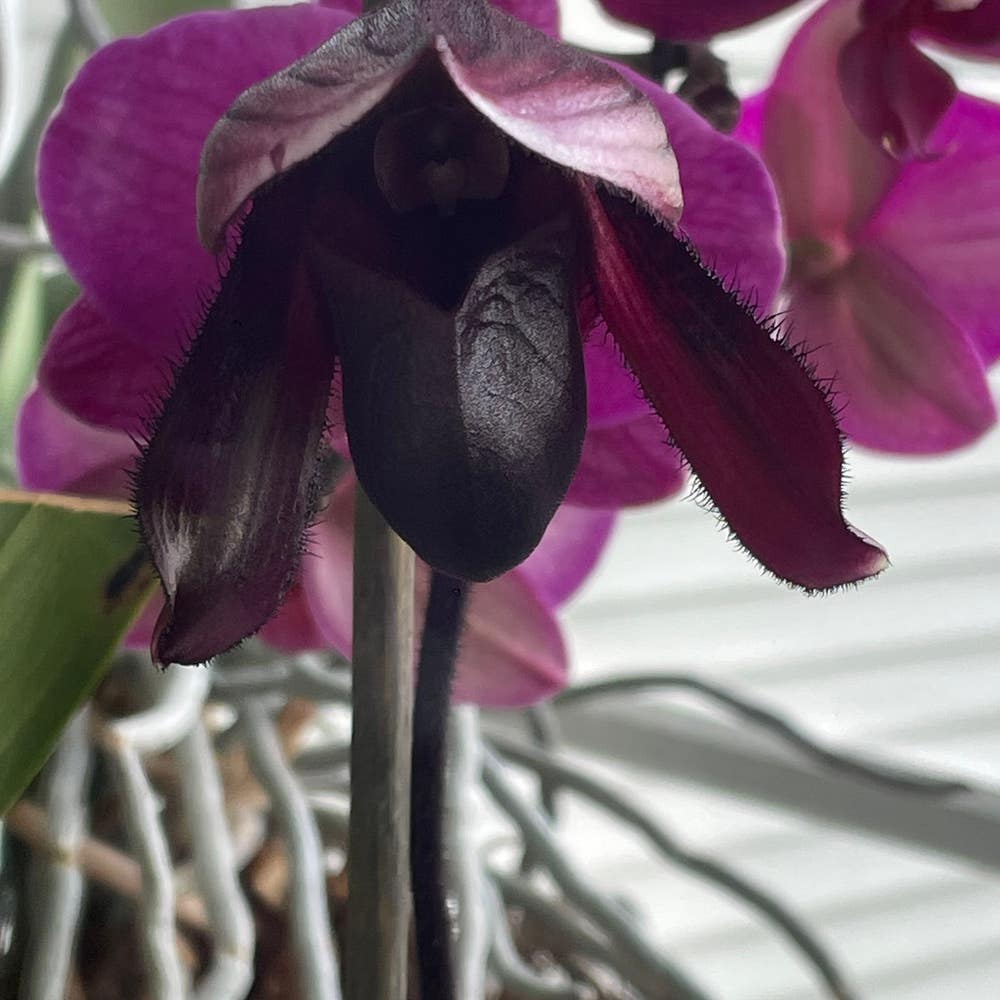
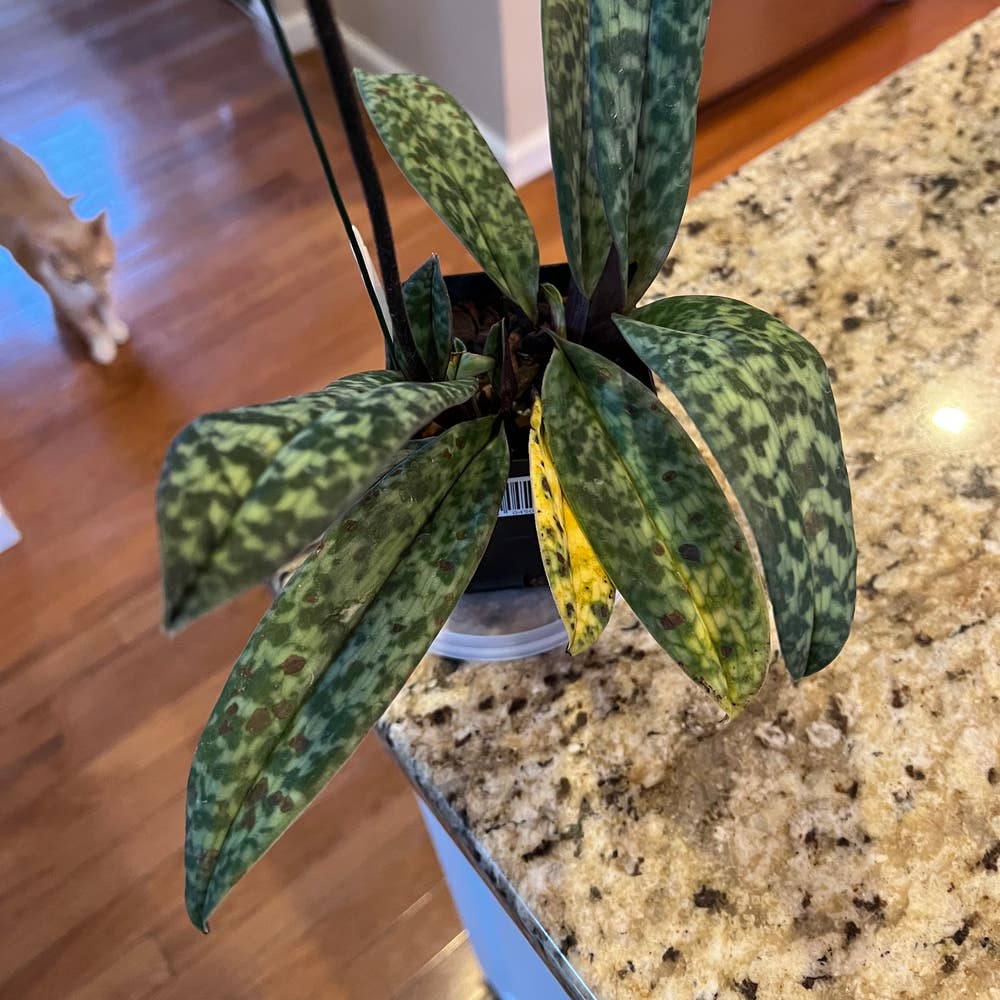
Paphiopedilum sukhakulii, with its lush foliage and striking blooms, doesn't take kindly to temperature swings. Wilted leaves? Your orchid's too hot. Stunted growth? It's shivering in the cold. Yellowing leaves often scream 'I'm chilly!', while brown patches on leaves are the equivalent of frostbite. If your orchid starts shedding leaves like a dog in summer, it's a distress signal you can't ignore.
Long-term Consequences of Ignoring the Signs
Let's be real: an orchid isn't a cactus; it won't just bounce back from neglect. Ignore these cries for help, and you're setting the stage for a downward spiral. Temperature stress weakens the plant's defenses, making it a playground for diseases and pests. It's like leaving your front door open in a blizzard—nothing good will come of it. Over time, a consistently stressed Paphiopedilum sukhakulii will lose its vigor, its blooms will be as rare as a blue moon, and its roots might just give up the ghost.
Steering Clear of Temperature Pitfalls
🌡️ Common Mistakes in Temperature Control
Drafts and direct sunlight are the archenemies of Paphiopedilum sukhakulii's temperature stability. Placing your orchid near an open window or under the full glare of the sun is like asking it to endure a weather apocalypse. Avoid these rookie mistakes.
Invest in a thermometer. It's not just a gadget; it's your orchid's lifeline. Regular checks can prevent your plant from experiencing temperature-induced mood swings. Remember, subtlety is key. A heating mat or fan should be used with the finesse of a ninja—present but unnoticed.
The Right Spot: Placement and Temperature
Finding the perfect spot is like winning the real estate jackpot for your orchid. Indirect light and a spot away from heating vents or AC units will provide a consistent temperature haven. Think of it as creating a microclimate utopia.
Air circulation is crucial but avoid turning your home into a wind tunnel. A gentle fan can keep the air moving without stressing your plant. It's about creating a gentle breeze, not reenacting a hurricane. Keep your Paphiopedilum sukhakulii happy by avoiding temperature extremes like you'd avoid spoilers for the season finale of your favorite show.
The Temperature-Humidity Tango
🌡️ A Quick Note on Humidity's Role
Humidity isn't just a tag-along in the temperature game; it's a key player for your Paphiopedilum sukhakulii. Think of it as the bassist in a rock band – not always in the spotlight, but without it, the whole sound falls flat.
High humidity can crank up the perceived temperature, turning your orchid's pad into a tropical haven. Conversely, low humidity might leave your plant feeling like it's stuck in a desert, even if the thermostat tells a different story. It's all about balance.
Remember, warm air can hold more moisture, so as the mercury rises, you're also ramping up the humidity. This can be a blessing or a curse, depending on how you manage it. Too much moisture? You're setting the stage for a fungal rave, and nobody wants that.
On the flip side, don't let your Paphiopedilum sukhakulii dry out. These orchids aren't cacti; they can't just suck it up and deal with arid conditions. Dry air can leave them dehydrated, leading to a whole host of issues, like a rock star without a drink – it's not going to end well.
So, keep an eye on that hygrometer. It's your backstage pass to ensuring the humidity levels are just right, making sure your Paphiopedilum sukhakulii stays in the limelight, healthy and thriving.
⚠️ Safety First
This content is for general information and may contain errors, omissions, or outdated details. It is not medical, veterinary advice, or an endorsement of therapeutic claims.
Always consult a qualified healthcare professional before using any plant as food, medicine, or supplement.
Never eat any plant (or feed one to pets) without confirming its identity with at least two trusted sources.
If you suspect poisoning, call Poison Control (800) 222-1222, the Pet Poison Helpline (800) 213-6680, or your local emergency service immediately.
Spotted an error? Please report it here.
Keep your Paphiopedilum sukhakulii thriving 🌡 with Greg's precise environment tracking, ensuring your orchid's sweet spot for temperature and humidity is always met.