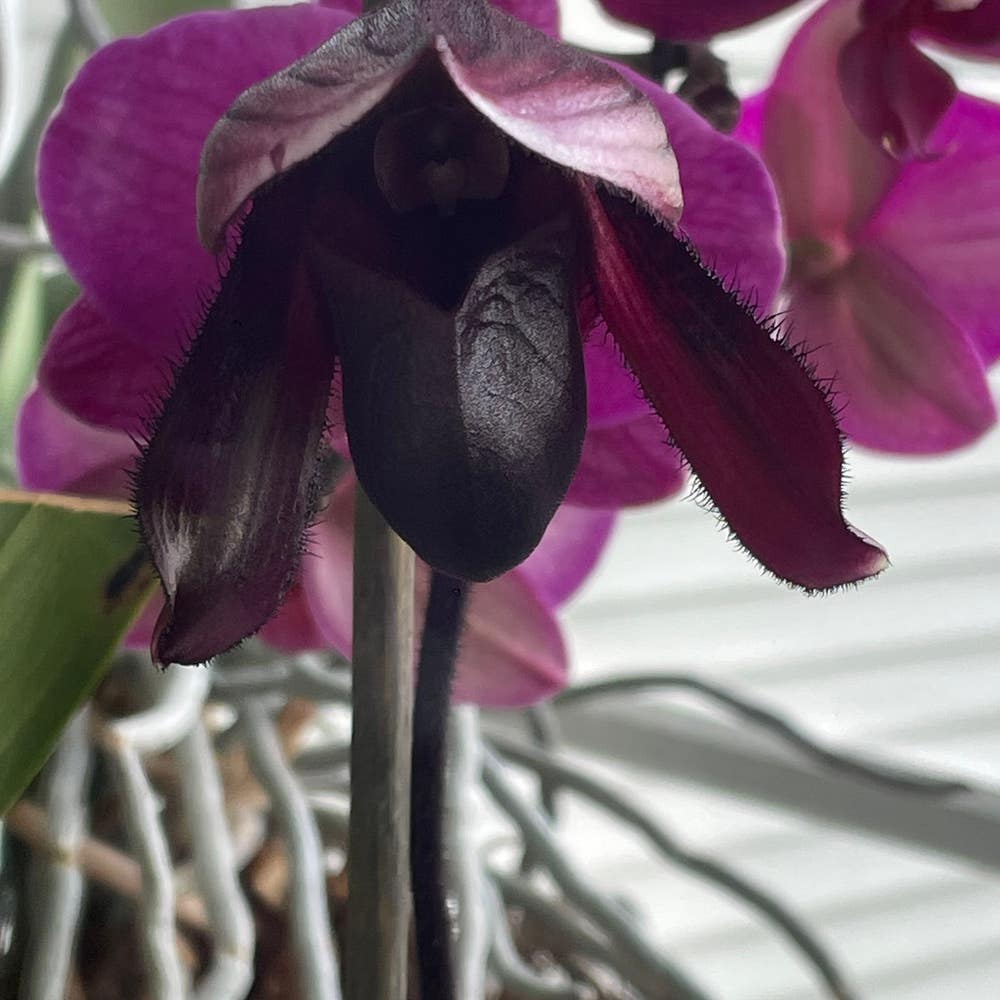
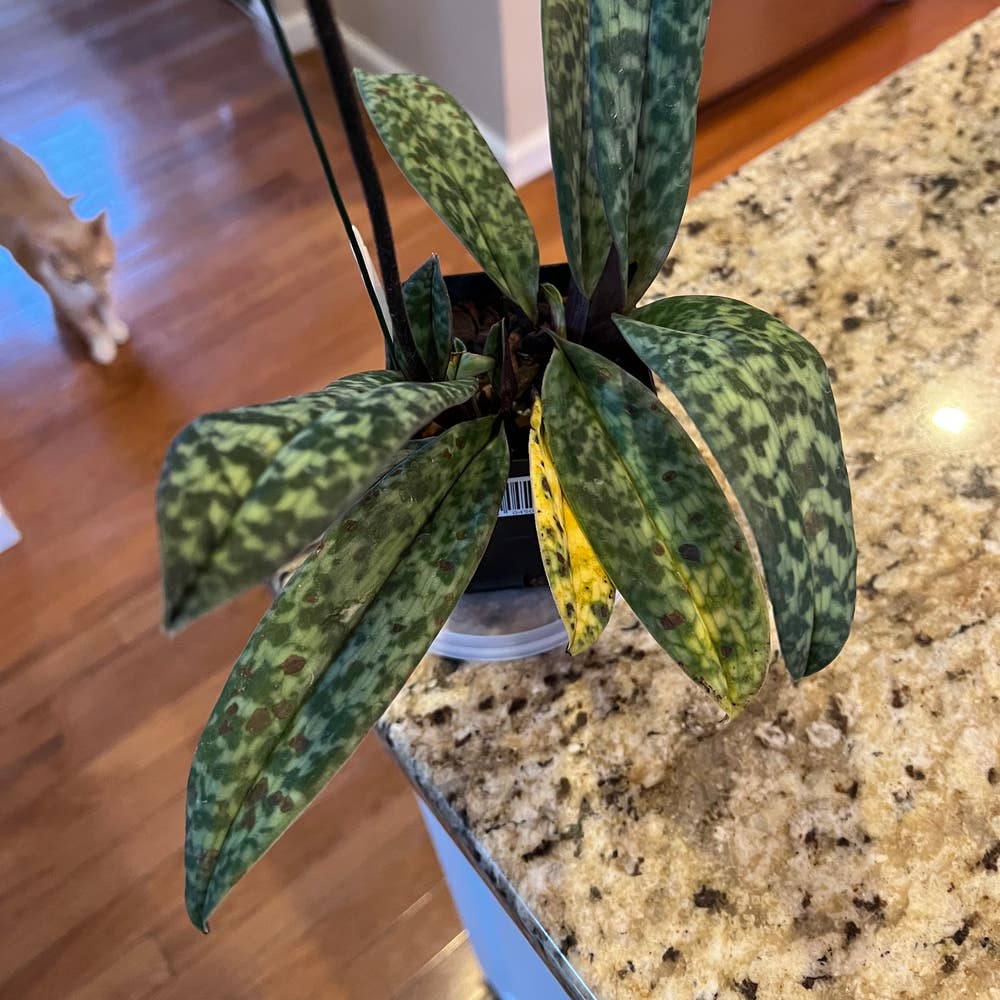
🐛 What To Do About Bugs on My Paphiopedilum sukhakulii?
Paphiopedilum sukhakulii
By the Greg Editorial Team
Apr 16, 2024•4 min read
This article was created with the help of AI so we can cover more plants for you. May contain errors. See one? Report it here.
Shield your orchid's allure 🌸 from pesky bugs with battle-tested, plant-saving tactics.
- 🕸️ Spider mites leave webbing; treat with water sprays and soaps.
- 🍄 Fungus gnats love moisture; control with dry soil and sticky traps.
- 🛡️ Prevent pests with quarantine, strategic watering, and regular maintenance.
Spot the Invaders: Identifying Common Pests
🕷️ Spider Mites
Tiny but mighty, spider mites are the ninjas of the plant pest world. Look for webbing under leaves and a speckled, dusty appearance on foliage. These pests are sap-suckers, leaving your Paphiopedilum sukhakulii's leaves looking speckled and sad.
🦟 Scale
Scale insects are masters of disguise, posing as harmless bumps on stems and leaves. If you notice waxy bumps or a sticky residue on your plant, it's time to suspect scale. They're not just quirky leaf patterns; they're sap-sucking freeloaders.
🦟 Fungus Gnats and Fruit Flies
Annoyed by tiny fliers? Fungus gnats and fruit flies are likely the party crashers. These pests hint at overwatered soil, buzzing around your plant like uninvited guests. They're more than just annoying; they can harm your plant's health.
🐛 Mealybugs
If you spot white cottony masses nestled in the crevices of your Paphiopedilum sukhakulii, mealybugs have made themselves at home. These pests sap the vigor from your plant and can leave a sticky honeydew in their wake.
Battle Tactics: Effective Remedies for Each Pest
🕷️ Spider Mites
Water is your first line of defense against spider mites. A good blast disrupts their cozy web homes. Follow up with neem oil or insecticidal soap, making sure to coat the undersides of leaves where these pests lurk. Persistence is key; repeat treatments to ensure victory.
🛡️ Scale
For scale insects, think of rubbing alcohol on a cotton swab as a precision strike. If they're stubborn, a soap and oil mixture serves as an eviction notice. Scrape them off gently, then apply the mixture to prevent a resurgence.
🪰 Fungus Gnats and Fruit Flies
Moisture control is crucial. Let the soil dry out between waterings to cut off their water supply. Deploy sticky traps to capture these airborne pests. They're like flypaper for the bug world, silent but deadly.
🐜 Mealybugs
When mealybugs invade, hit them with a dab of rubbing alcohol. It's like bug kryptonite. For larger infestations, insecticidal soap acts as a wash cycle, removing them from your plant. Apply thoroughly, like a meticulous cleaner with a mission.
Fortifying Your Plant: Preventative Measures
🛡️ Quarantine: The First Line of Defense
Quarantine new plants like they're potential double agents. Isolate them for at least two weeks to ensure they're not smuggling in any unwanted bugs. This isn't overkill; it's essential espionage against pests.
🚰 Water Wisely: Keeping the Pests Thirsty
Overwatering is like throwing a pool party for pests. Keep the soil on the drier side to discourage moisture-loving invaders. Watering should be strategic, not just a splash-and-go affair.
🍽️ Cleanliness is Next to Buglessness: Regular Maintenance to Deter Pests
A clean plant is a fortress. Wipe down leaves, clear away debris, and keep the area tidy to make it less hospitable for pests. Think of it as housekeeping for plant health. Regular inspections are key—turn over leaves and inspect stems as if you're looking for secret messages.
🛠 Allies in the Fight
Sterilize your tools and pots like you're prepping for a medical procedure. It's basic plant hygiene that can prevent a full-scale bug invasion. And don't forget, good air circulation is the silent guardian against pest incursions.
When Pests Persist: Advanced Control Strategies
🐞 Introducing Beneficial Insects
Beneficial insects are nature's hitmen when it comes to pest control. Ladybugs and lacewings are not just pretty faces; they're voracious predators of aphids, mites, and other soft-bodied pests. To recruit these allies, either purchase them online or create a welcoming habitat in your garden. It's like setting up a five-star resort for bugs, where pests are on the menu.
💼 Professional-Grade Treatments
When the home remedies are just not cutting it, it's time to call in the pros. Professional pest control services come armed with an arsenal of systemic insecticides and advanced strategies. They're the equivalent of a plant's personal bodyguard, offering tailored solutions and ongoing support. Remember, these treatments are potent and come with a responsibility to use them wisely. Always follow the safety instructions to the letter, and store these chemicals out of reach of children and pets.
⚠️ Safety First
This content is for general information and may contain errors, omissions, or outdated details. It is not medical, veterinary advice, or an endorsement of therapeutic claims.
Always consult a qualified healthcare professional before using any plant as food, medicine, or supplement.
Never eat any plant (or feed one to pets) without confirming its identity with at least two trusted sources.
If you suspect poisoning, call Poison Control (800) 222-1222, the Pet Poison Helpline (800) 213-6680, or your local emergency service immediately.
Spotted an error? Please report it here.
Shield your Paphiopedilum sukhakulii from pesky invaders with proactive care 🌱 and Greg's tailored reminders for watering and plant quarantine to ensure a bug-free environment!