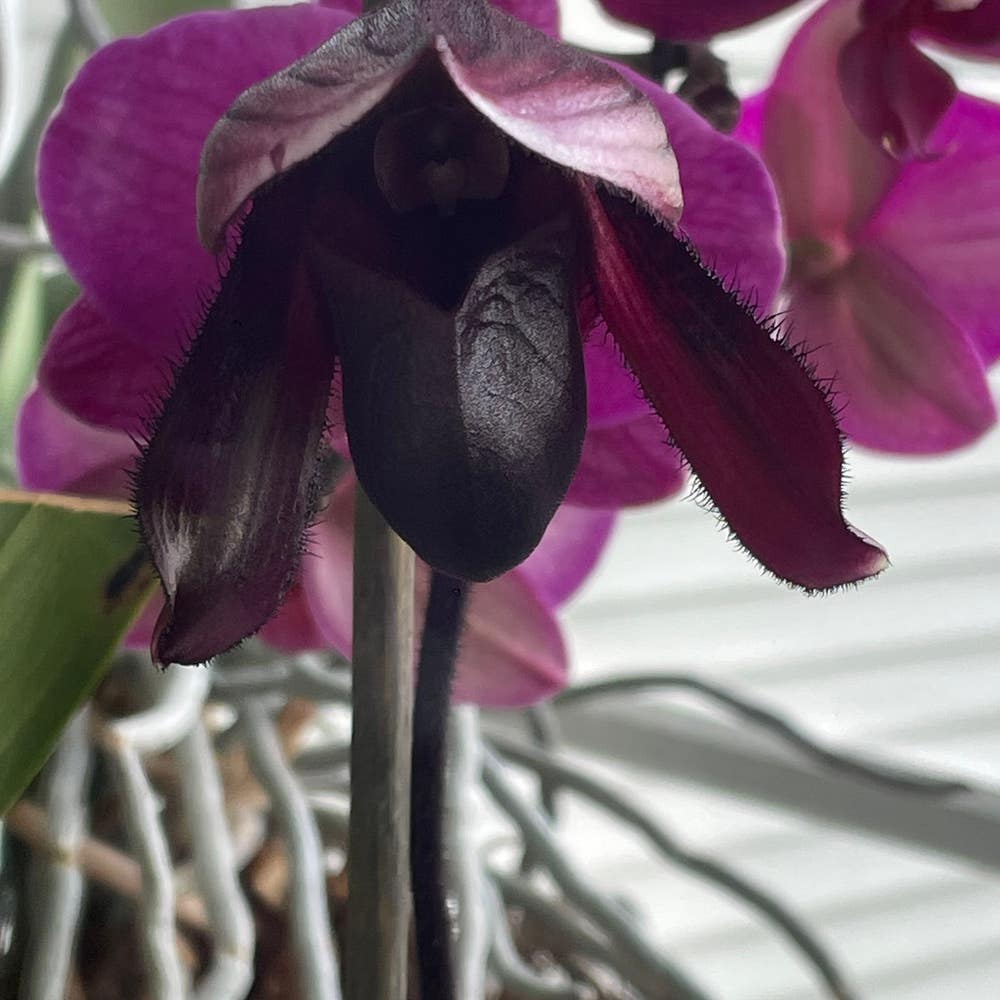
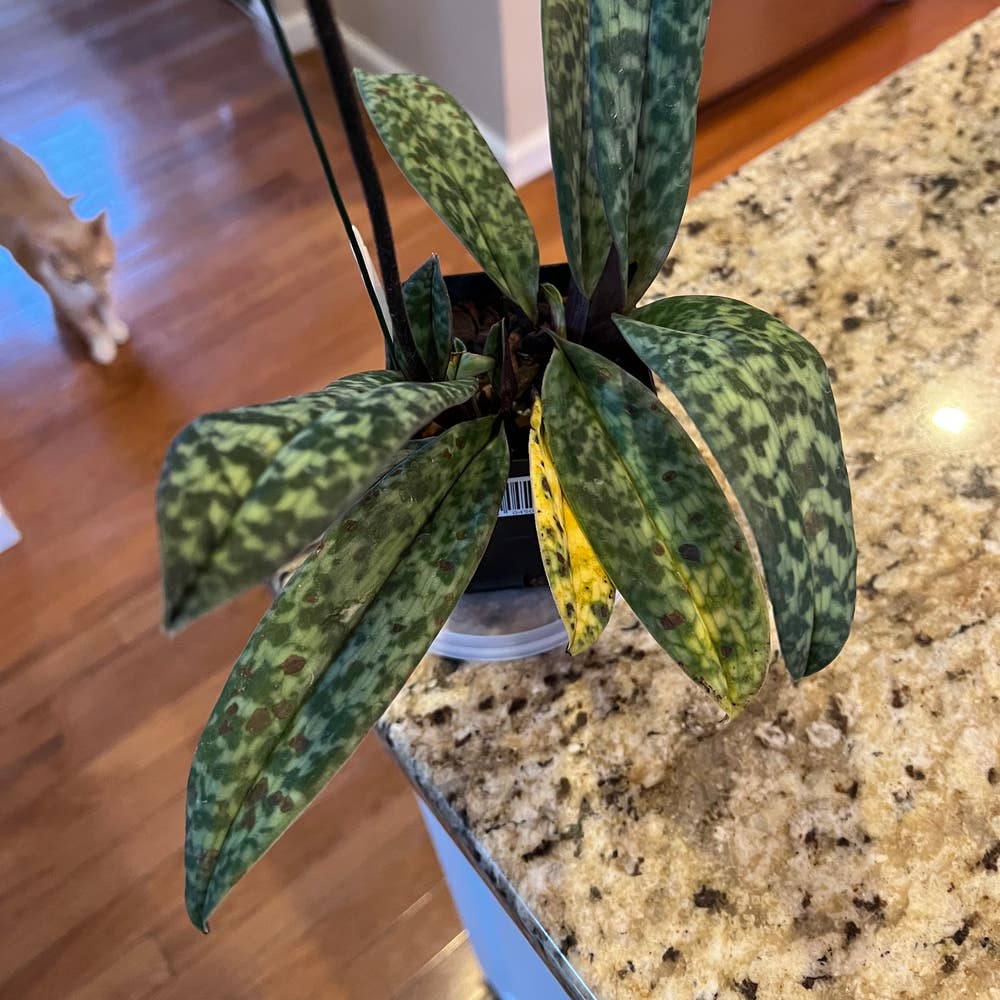
🌸 5 Secrets to Thriving Indoor Sukhakul's Paphiopedilum
Paphiopedilum sukhakulii
By the Greg Editorial Team
Oct 02, 2024•5 min read
This article was created with the help of AI so we can cover more plants for you. May contain errors. See one? Report it here.
Unlock the secret to vibrant Sukhakul's Paphiopedilum orchids 🌸 with essential care tips for indoor success!
- 🌞 Bright, indirect light is crucial for Sukhakul's Paphiopedilum; avoid direct sunlight.
- 💧 Water every 7-10 days; ensure top soil dries out to prevent root rot.
- 🌿 Maintain humidity levels between 50-70% for optimal growth and health.
Light Requirements
Optimal Indoor Light Levels 🌞
For your Sukhakul's Paphiopedilum to thrive, it needs bright, indirect light. Direct sunlight can scorch its delicate leaves, so aim for an intensity of 1000-2000 foot-candles.
If you notice stretched growth or pale leaves, it’s a sign your orchid isn’t getting enough light. Adjust its placement to ensure it receives the right amount of brightness.
Role of Grow Lights 💡
Grow lights are essential for indoor orchids, especially in low-light conditions. They supplement natural light, ensuring your plant gets the energy it needs to flourish.
When choosing grow lights, consider LED and fluorescent options. Both types effectively support the growth of your Paphiopedilum.
Choosing the Best Grow Light 🛠️
When selecting a grow light, focus on a few key factors. First, opt for full-spectrum lights that mimic natural sunlight.
Next, consider wattage; 20-40 watts is ideal for small to medium-sized plants. Lastly, ensure your orchid receives 12-14 hours of light daily for optimal growth.
With the right light conditions, your Sukhakul's Paphiopedilum will thrive beautifully. Now, let’s explore its watering needs to keep it healthy and vibrant.
Watering Needs
🌊 Frequency and Method of Watering
To keep your Sukhakul's Paphiopedilum thriving, water it every 7-10 days. Make sure to let the top inch of soil dry out between waterings to prevent root rot.
For the best results, soak the pot in water for 10-15 minutes, then drain thoroughly. This method ensures that the roots get the moisture they need without becoming waterlogged.
🚰 Signs of Overwatering and Underwatering
Overwatering can lead to yellowing leaves, mushy roots, and even mold growth. If you notice these signs, it’s time to adjust your watering routine.
On the flip side, underwatering manifests as wrinkled leaves, dry potting medium, and stunted growth. Keep an eye out for these indicators to maintain your plant's health.
Understanding these watering needs is crucial for your orchid's vitality. With the right care, your Paphiopedilum can flourish beautifully indoors.
Next, let’s explore the ideal humidity and temperature conditions to further support your plant's growth.
Humidity and Temperature
Ideal Humidity Levels 🌧️
Maintaining the right humidity is crucial for your Paphiopedilum orchids. Aim for a humidity range of 50-70% to keep them thriving.
To boost humidity, consider using humidifiers, placing pebble trays filled with water beneath your pots, or grouping your plants together. These methods create a microenvironment that helps retain moisture.
Temperature Range for Optimal Growth 🌡️
For optimal growth, keep your orchids in a temperature range of 20°C to 25°C (68°F to 77°F) during the day. At night, a slightly cooler temperature is beneficial.
Watch for signs of temperature stress, such as leaf drop, wilting, or browning edges. These indicators signal that your orchids may need a temperature adjustment to stay healthy.
By carefully managing humidity and temperature, you set the stage for your Paphiopedilum to flourish. Next, let’s explore the best soil and fertilization practices to further enhance their growth.
Soil and Fertilization
🌱 Best Soil Type
For your Sukhakul's Paphiopedilum, a well-draining orchid mix is essential. This mix typically includes bark, perlite, and sphagnum moss, which together create an environment that allows for proper aeration and moisture retention.
Good drainage is crucial to prevent root rot. Without it, your orchid's roots can suffocate, leading to unhealthy growth or even plant death.
📅 Fertilization Schedule and Types
Fertilizing your orchid every 4-6 weeks during the growing season will keep it thriving. Use a balanced orchid fertilizer, such as a 30-10-10 formula, but remember to dilute it to half strength for optimal results.
This approach ensures your plant receives the nutrients it needs without overwhelming it. A consistent fertilization routine can lead to vibrant blooms and robust growth, making your indoor garden a true showstopper.
With the right soil and fertilization practices, your Paphiopedilum will flourish, setting the stage for the next crucial aspect of care: addressing common issues and solutions.
Common Issues and Solutions
🐛 Pests and Diseases
Common Pests
Indoor Sukhakul's Paphiopedilum can attract pests like aphids, mealybugs, and spider mites. Look for signs such as sticky residue on leaves, webbing, or discolored foliage to catch infestations early.
Prevention and Treatment Methods
Regular inspections are key. Wipe leaves with a damp cloth to keep them clean and reduce pest attraction.
For treatment, consider using insecticidal soap or neem oil. These options are effective and safe for your orchids.
🌪️ Environmental Stress
Signs of Stress
Watch for leaf curling, discoloration, and slow growth as indicators of environmental stress. Regular monitoring of conditions helps you catch these issues before they escalate.
Solutions for Maintaining Optimal Conditions
Adjusting light exposure can make a significant difference. If your plant seems stressed, try moving it to a brighter or shadier spot.
Increasing humidity is also beneficial. Use humidifiers or misting techniques to create a more favorable environment for your orchids.
By addressing these common issues proactively, you can ensure your Paphiopedilum thrives beautifully indoors.
Placement and Maintenance
🌅 Best Locations in the Home
For optimal growth, place your Paphiopedilum near east or west-facing windows. These spots provide the bright, filtered light that orchids thrive on.
Avoid placing your plant in drafts or near direct heat sources. Air conditioning vents and heaters can create an unstable environment, stressing your orchid.
✂️ Tips for Maintaining Plant Appearance
Pruning and Grooming Techniques
Regularly check your plant for dead or yellowing leaves. Removing these not only enhances appearance but also promotes healthier growth.
Don't forget to prune spent flowers. This encourages new blooms, keeping your orchid vibrant and lively.
Repotting Guidelines
Repot your Paphiopedilum every 1-2 years, or when the potting medium starts to break down. Fresh soil helps maintain nutrient levels and drainage.
Watch for signs that it’s time to repot. If you notice root crowding, poor drainage, or stunted growth, it’s a clear indication your orchid needs a new home.
By following these placement and maintenance tips, you’ll ensure your Paphiopedilum thrives beautifully. Next, let’s dive into the common issues and solutions that can arise while caring for your indoor orchid.
⚠️ Safety First
This content is for general information and may contain errors, omissions, or outdated details. It is not medical, veterinary advice, or an endorsement of therapeutic claims.
Always consult a qualified healthcare professional before using any plant as food, medicine, or supplement.
Never eat any plant (or feed one to pets) without confirming its identity with at least two trusted sources.
If you suspect poisoning, call Poison Control (800) 222-1222, the Pet Poison Helpline (800) 213-6680, or your local emergency service immediately.
Spotted an error? Please report it here.
Unlock the secrets to a thriving Paphiopedilum 🌸 with Greg's tailored care reminders and expert tips that ensure your orchid flourishes beautifully indoors!