🌸 How to Grow Sukhakul's Paphiopedilum Outdoors
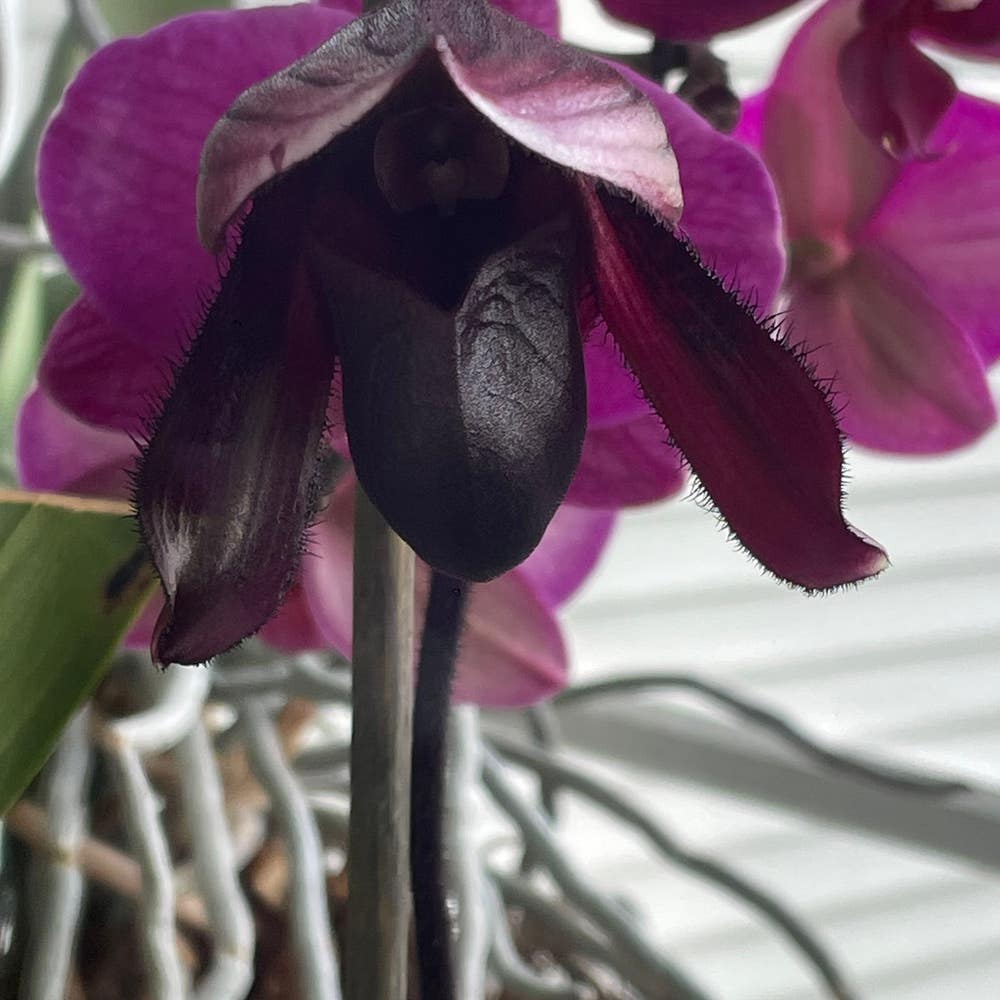
Paphiopedilum sukhakulii
By the Greg Editorial Team
Oct 02, 2024•6 min read
This article was created with the help of AI so we can cover more plants for you. May contain errors. See one? Report it here.
Unlock the secret to thriving Sukhakul's Paphiopedilum orchids 🌱 with expert care tips for stunning blooms year-round!
- 🌱 Sukhakul's Paphiopedilum blooms annually with proper care and conditions.
- ☀️ Filtered sunlight and consistent moisture are key for thriving orchids.
- 🐛 Regular inspections prevent pests and diseases, ensuring healthy growth.
Unique Characteristics and Growth Habits
Growth Habit and Lifespan 🌱
Sukhakul's Paphiopedilum is a slow-growing orchid that can take several years to bloom. With the right care, these plants can thrive for decades, making them a long-term investment for any garden enthusiast.
Flowering Season 🌸
Typically, this orchid blooms once a year, but the exact timing can vary based on your local climate. Understanding your environment will help you anticipate when to expect those stunning flowers.
Outdoor Care Requirements
☀️ Sunlight Needs and Ideal Exposure
Sukhakul's Paphiopedilum thrives in filtered sunlight or partial shade, ideally receiving 3-6 hours of indirect sunlight daily. If you notice stunted growth or a lack of blooms, it’s a sign your plant isn’t getting enough light.
In hotter climates, provide more shade to protect the plant from intense sun. Conversely, in cooler regions, you can allow for slightly more direct light to encourage healthy growth.
💧 Watering Requirements and Techniques
Maintaining consistent moisture in the soil is crucial, but avoid waterlogging. Using rainwater or distilled water can yield the best results for your Paphiopedilum.
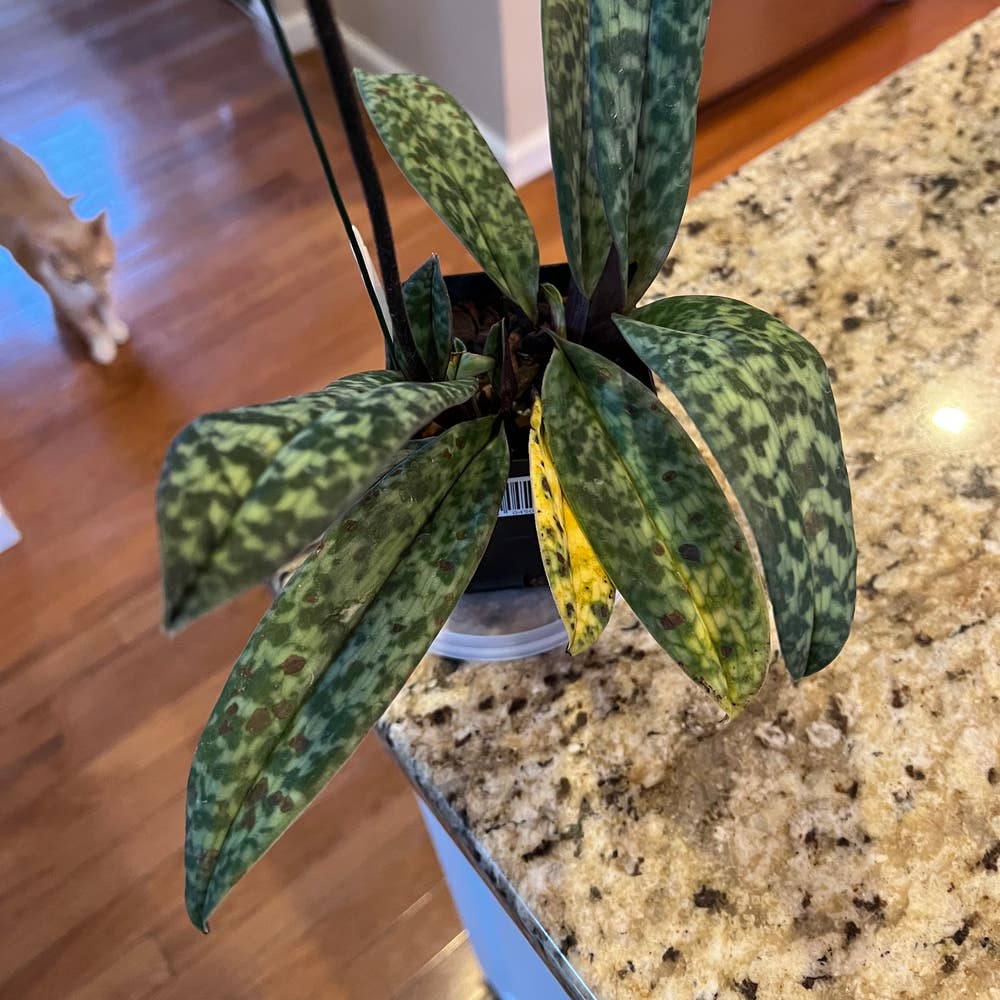
Watch for yellowing leaves or signs of root rot, which indicate overwatering. Adjust your watering routine accordingly to keep your plant happy.
🌱 Soil Preferences and Potting Mix Recommendations
A well-draining, organic-rich soil with a slightly acidic pH of 5.5-6.5 is ideal for Sukhakul's Paphiopedilum. A recommended potting mix includes a blend of bark, perlite, and sphagnum moss.
Good drainage is essential to prevent root rot and promote robust growth. Ensure your pot has adequate drainage holes to support this.
🌼 Fertilization Schedule and Types of Fertilizers
During the growing season, typically spring and summer, fertilize your Paphiopedilum monthly. A balanced orchid fertilizer with a ratio of 30-10-10, diluted to half strength, works wonders.
Keep an eye out for signs of nutrient deficiency, such as poor growth or yellowing leaves. Adjust your fertilization routine if you notice these issues.
With these outdoor care requirements in mind, your Sukhakul's Paphiopedilum will flourish beautifully. Next, let’s explore the various planting options available for this stunning orchid.
Planting Options
🌱 Container vs. Ground Planting
Benefits of Container Planting
Container planting offers several advantages for growing Sukhakul's Paphiopedilum.
- Mobility: You can easily move your plants to find the best light or shelter from harsh weather.
- Control over Soil Conditions: Managing drainage and nutrients becomes simpler, allowing for tailored care.
- Aesthetic Flexibility: Containers can enhance your garden design, adding visual interest.
Drawbacks of Container Planting
However, container planting does come with its challenges.
- Limited Root Space: Over time, the restricted space may hinder growth.
- Increased Watering Frequency: Containers tend to dry out faster than ground soil, requiring more frequent attention.
🌍 Benefits of Planting in the Ground
Planting in the ground can also be beneficial for your orchids.
- Natural Growth Environment: Ground planting provides ample space for roots to expand, promoting healthier growth.
- Better Moisture Retention: Ground soil generally retains moisture longer, reducing the need for constant watering.
⚠️ Drawbacks of Planting in the Ground
On the flip side, ground planting has its downsides.
- Less Control Over Soil Conditions: Amending soil to meet specific needs can be challenging.
- Vulnerability to Pests and Diseases: Plants in the ground face greater exposure to outdoor threats, making them more susceptible to infestations.
Choosing between container and ground planting ultimately depends on your gardening style and the specific needs of your Sukhakul's Paphiopedilum. Each option has its unique benefits and challenges, so consider your environment and preferences carefully.
Next, let’s explore how to protect your orchids from environmental factors.
Protection from Environmental Factors
🌤️ Weather Protection Strategies
To keep your Sukhakul's Paphiopedilum thriving, weather protection is essential. Use shade cloth during extreme heat to prevent sunburn and maintain optimal growth.
Frost blankets are a must for cold snaps in winter, ensuring your plants stay warm. Additionally, consider windbreaks—planting barriers that shield your orchids from strong winds can make a significant difference.
🐛 Common Outdoor Pests and Control Methods
Pests can be a real headache for outdoor orchids. Common culprits include aphids, spider mites, and slugs, which can wreak havoc if left unchecked.
Control methods like neem oil and insecticidal soap are effective. Manual removal of pests is also a good practice. Regular inspections are crucial; catching infestations early can save your plants from serious damage.
🦠 Disease Prevention and Management
Diseases can pose a significant threat to your Paphiopedilum. Common issues include root rot, leaf spot, and various fungal infections.
To prevent these diseases, focus on proper watering techniques and ensure good air circulation around your plants. If problems arise, treatment options include fungicides and removing affected plant parts to keep the rest of your garden healthy.
By implementing these protective measures, you can create a thriving environment for your Sukhakul's Paphiopedilum. Next, let's explore how seasonal changes impact care and what adjustments you should make throughout the year.
Seasonal Care
Seasonal Changes and Their Impact on Care 🌦️
Adjusting your care routine based on temperature and humidity is crucial for the health of Sukhakul's Paphiopedilum. Keeping an eye on weather forecasts helps you anticipate extreme conditions that could affect your plant.
Winter Care Tips ❄️
During winter, protecting your plant from frost is essential. Use mulch and frost covers to shield it from cold temperatures.
Spring Growth and Fertilization Adjustments 🌱
As spring arrives, look for signs of new growth, such as increased leaf production and root activity. This is the time to resume your monthly feeding schedule as temperatures rise.
Summer Heat Management ☀️
In the summer, you’ll need to increase your watering frequency to maintain moisture levels during high temperatures. Ensure your plant has adequate protection from direct sunlight to prevent stress.
Fall Preparation for Colder Months 🍂
As fall approaches, gradually reduce both watering and fertilization. It's also a good idea to inspect your plant for pests and diseases before the winter sets in.
Transitioning through the seasons requires attention and care, but with the right practices, your Sukhakul's Paphiopedilum will thrive year-round. Next, let’s explore how climate zones affect your growing strategy.
Climate Zone Considerations
🌍 Best Climate Zones for Growing
For optimal growth, Sukhakul's Paphiopedilum thrives in USDA zones 10-11. These zones offer warm temperatures and high humidity, creating the perfect environment for your orchids to flourish.
🌦️ Adjustments for Different Climate Conditions
If you're in a cooler climate, consider using greenhouses or bringing your plants indoors during winter. For those in hotter regions, increasing humidity and providing ample shade will help keep your orchids healthy and vibrant.
🌱 Tips for Growing in Less-Than-Ideal Climates
Container gardening is a fantastic option for managing less-than-ideal conditions. It allows you to control soil quality and moisture levels more effectively.
Tailor your care practices to seasonal changes and local weather patterns. This adaptability can make all the difference in nurturing your Paphiopedilum, ensuring they thrive despite environmental challenges.
With the right adjustments, you can enjoy the beauty of these orchids, no matter where you live.
⚠️ Safety First
This content is for general information and may contain errors, omissions, or outdated details. It is not medical, veterinary advice, or an endorsement of therapeutic claims.
Always consult a qualified healthcare professional before using any plant as food, medicine, or supplement.
Never eat any plant (or feed one to pets) without confirming its identity with at least two trusted sources.
If you suspect poisoning, call Poison Control (800) 222-1222, the Pet Poison Helpline (800) 213-6680, or your local emergency service immediately.
Spotted an error? Please report it here.
Transform your outdoor space into an orchid paradise 🌺 with Greg's tailored care reminders and watering plans that ensure your Sukhakul's Paphiopedilum thrives beautifully!