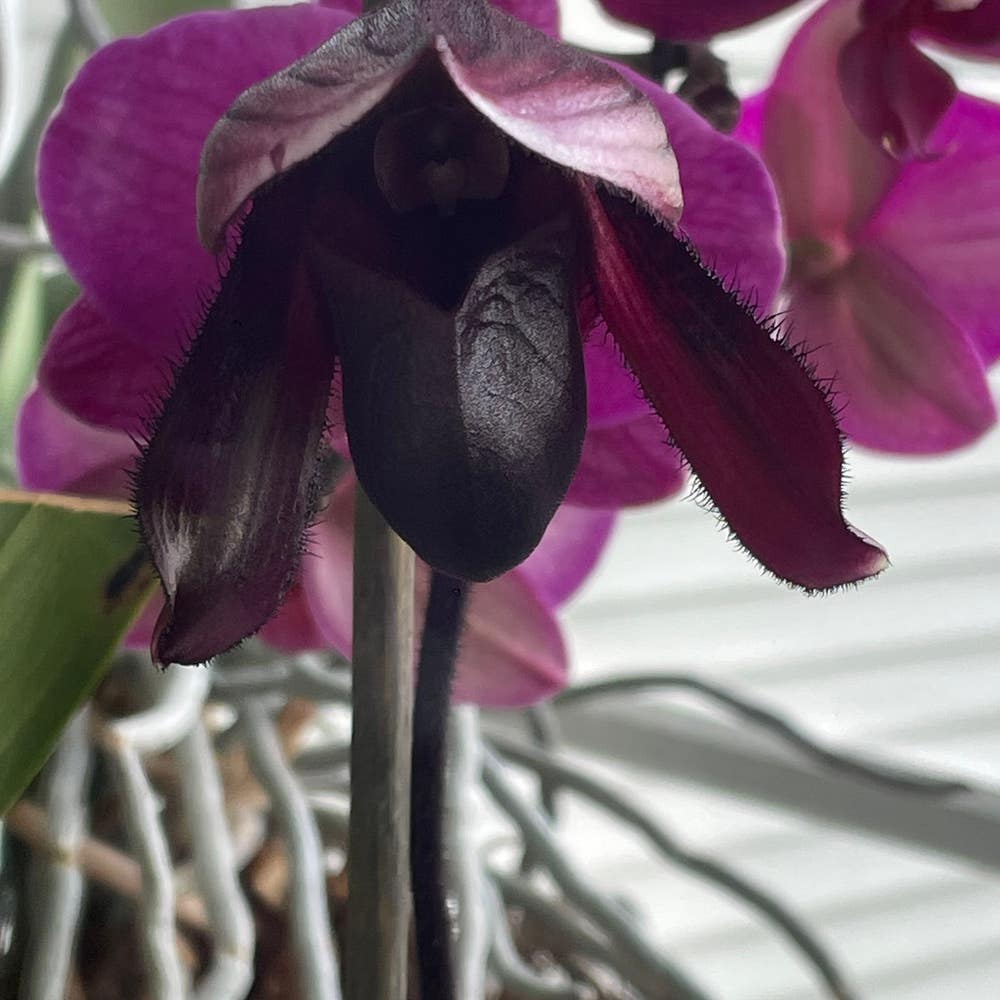
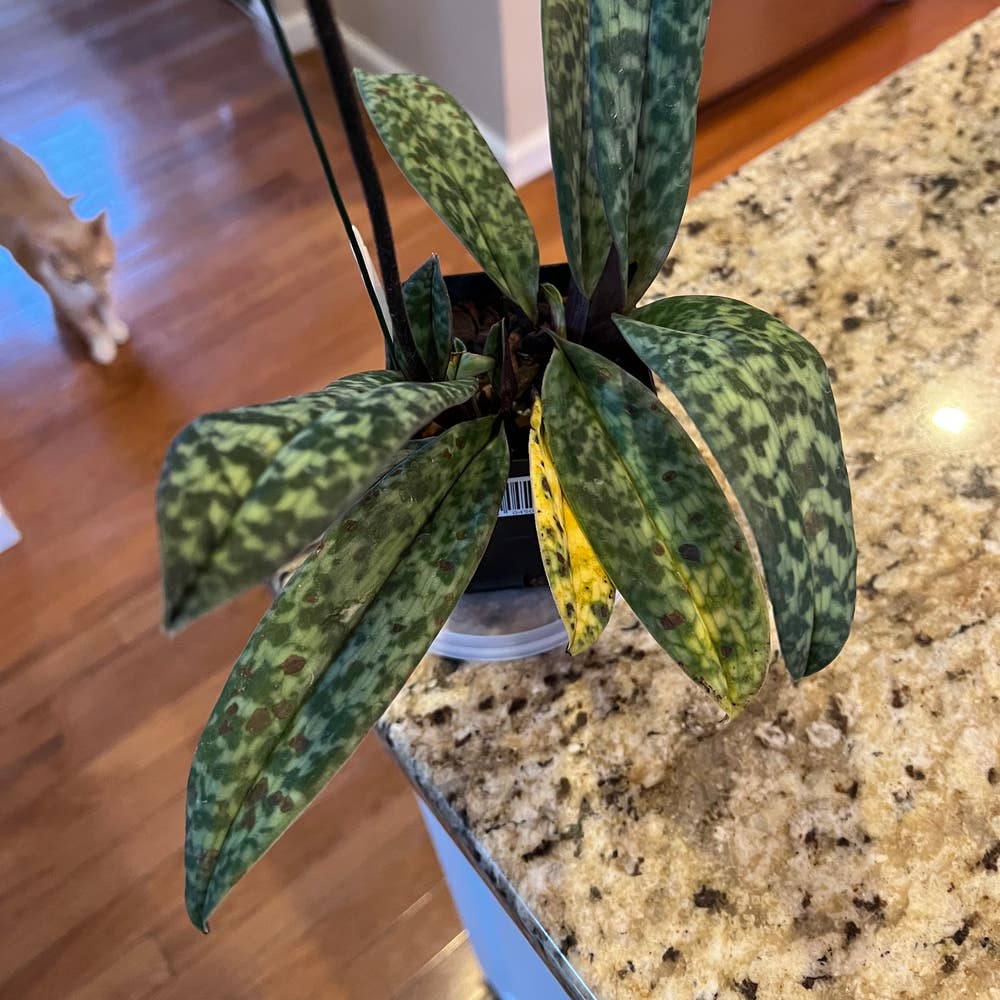
Am I Starving My Paphiopedilum sukhakulii? Fertilizing 101
Paphiopedilum sukhakulii
By the Greg Editorial Team
Apr 16, 2024•4 min read
This article was created with the help of AI so we can cover more plants for you. May contain errors. See one? Report it here.
Nourish your orchid to perfection 🌸—discover the secrets to ideal Paphiopedilum sukhakulii fertilization.
- N-P-K and micronutrients are vital for Paphiopedilum sukhakulii health.
- Organic vs. Synthetic: benefits and risks for your orchid's diet.
- Fertilize with care: avoid over-fertilization and adjust for growth phases.
Decoding the Perfect Fertilizer Mix
💡 Understanding N-P-K Ratios
Nitrogen (N), phosphorus (P), and potassium (K) are the backbone of plant nutrition. For your Paphiopedilum sukhakulii, nitrogen promotes leaf growth, phosphorus is essential for root development and blooming, and potassium bolsters overall health and resilience. A balanced N-P-K ratio, like 10-10-10, ensures steady growth without favoring one aspect over another.
🍽️ Micronutrient Magic
Calcium, magnesium, and iron might not hog the limelight like N-P-K, but they're pivotal for your orchid's health. Calcium fortifies cell walls, magnesium is at the heart of chlorophyll production, and iron is crucial for energy transfer. Together, they form a micronutrient trifecta that supports vibrant, healthy blooms. Don't overlook these unsung heroes; they're essential for a plant that's not just surviving, but thriving.
Organic vs. Synthetic: Choosing Your Camp
🌱 Pros and Cons of Organic Fertilizers
Organic fertilizers are the slow-release chefs of the plant world, gradually enriching your Paphiopedilum sukhakulii's soil. They're like a trust fund, setting your orchid up for a sustainable future. Benefits include improved soil structure and a reduced risk of chemical burn. However, they can be less predictable and slower to show results.
⚡ Synthetic Fertilizers: Quick Fix or Long-Term Solution?
Synthetic fertilizers are the sprinters, offering fast, targeted nutrition. They're the espresso shot your orchid might crave during peak growth or blooming. Precision is their game, with balanced N-P-K ratios on demand. But beware, they can be a double-edged sword; overuse can lead to nutrient build-up and damage the delicate soil ecosystem. Use them judiciously, and they can be a powerful tool in your orchid care arsenal.
Timing is Everything: When to Feed Your Orchid
💪 Growth and Bloom Boosting Schedule
Orchids are growth gluttons during spring and summer, guzzling nutrients as they churn out leaves and flowers. Fertilize monthly during these seasons to keep up with their voracious appetite. As the days shorten and temperatures dip, your orchid's metabolism slows. Ease up on the feeding to match its more languid pace.
🛌 The Dormant Phase: To Fertilize or Not?
Winter for orchids is like a meditative retreat; they're conserving energy, not partying. It's time to put the fertilizer away and let your plant rest. If you're itching to do something, mark your calendar for spring when the growing cycle kicks off again. Remember, patience is a virtue, especially in orchid care.
Serving the Right Portion: Application and Dosage
💧 Mixing It Right: Dilution Ratios for Liquid Gold
Liquid fertilizers are like a concentrated juice for your Paphiopedilum sukhakulii – they need to be diluted. Half-strength is a good starting point; mix equal parts water and fertilizer. This prevents the dreaded root burn. Use a measuring cup or syringe for precision, and always apply to moist soil during your regular watering routine.
🌿 Granular Fertilizers: A Gentle Approach
Granular fertilizers are a slow-release option for your orchid. Sprinkle them around the plant's base, avoiding the stem. Lightly incorporate into the top inch of soil and water thoroughly. This method ensures nutrients reach the roots gradually, reducing the risk of overdose. Remember, less is often more when it comes to feeding your Paphiopedilum sukhakulii.
Recognizing a Too-Rich Diet: Over-Fertilization and Its Fixes
🚨 Spotting the Tell-Tale Signs
White crust on your soil? Leaves looking like they've been in a tanning bed for too long? These are the distress signals of over-fertilization. Brown or burned leaf tips and edges are the plant's version of a white flag. If your Paphiopedilum sukhakulii is showing these symptoms, it's time to rethink your fertilization strategy.
🛠️ The Recovery Plan
First, stop all fertilization. If there's a visible salt buildup, gently brush it off the soil surface. Next, flush the soil with water—think of it as a detox for your orchid's roots. Repeat this process every few days, and observe for signs of recovery. Remember, less is often more when it comes to plant nutrition. After the flush, give your plant a break from fertilizers and only resume with a diluted solution. Keep a close eye on your orchid's response to prevent a repeat performance.
⚠️ Safety First
This content is for general information and may contain errors, omissions, or outdated details. It is not medical, veterinary advice, or an endorsement of therapeutic claims.
Always consult a qualified healthcare professional before using any plant as food, medicine, or supplement.
Never eat any plant (or feed one to pets) without confirming its identity with at least two trusted sources.
If you suspect poisoning, call Poison Control (800) 222-1222, the Pet Poison Helpline (800) 213-6680, or your local emergency service immediately.
Spotted an error? Please report it here.
Avoid over-fertilizing and keep your orchid thriving 🌸 with Greg's custom feeding schedule that adapts to your Paphiopedilum sukhakulii's unique growth and rest phases.