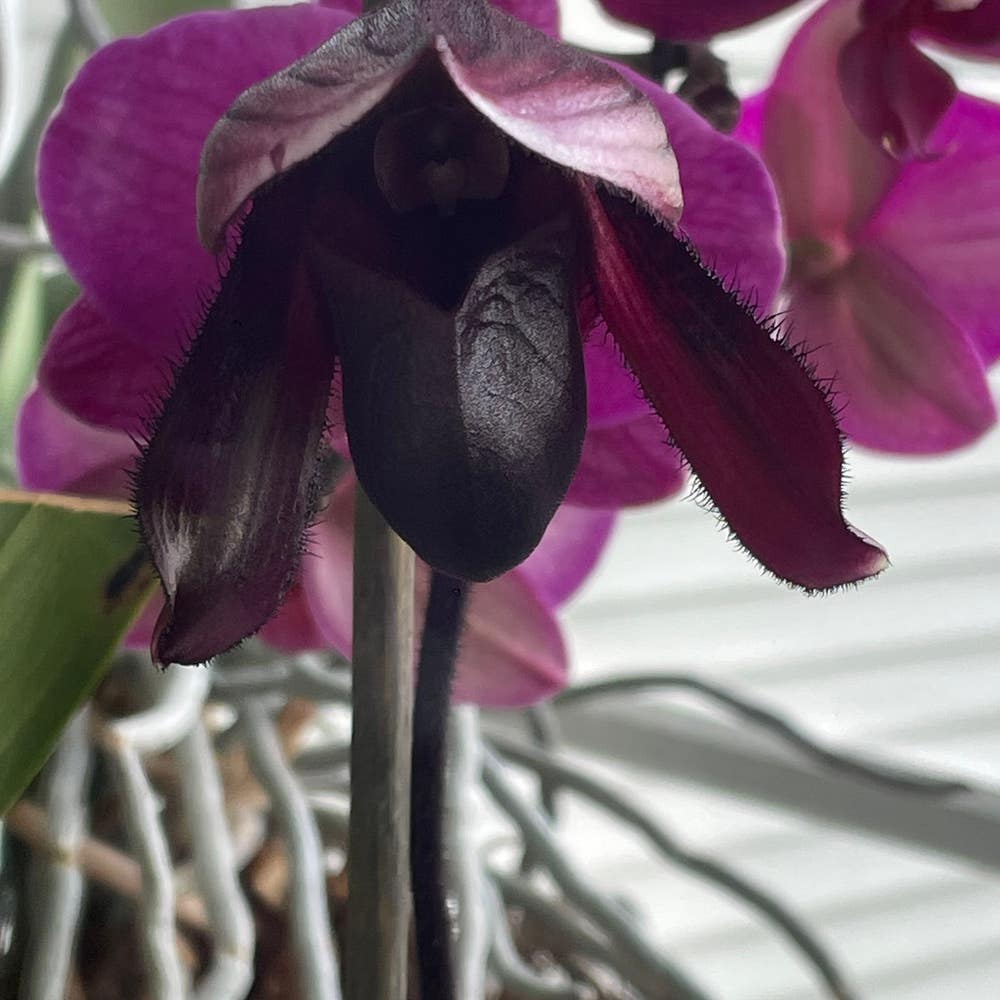
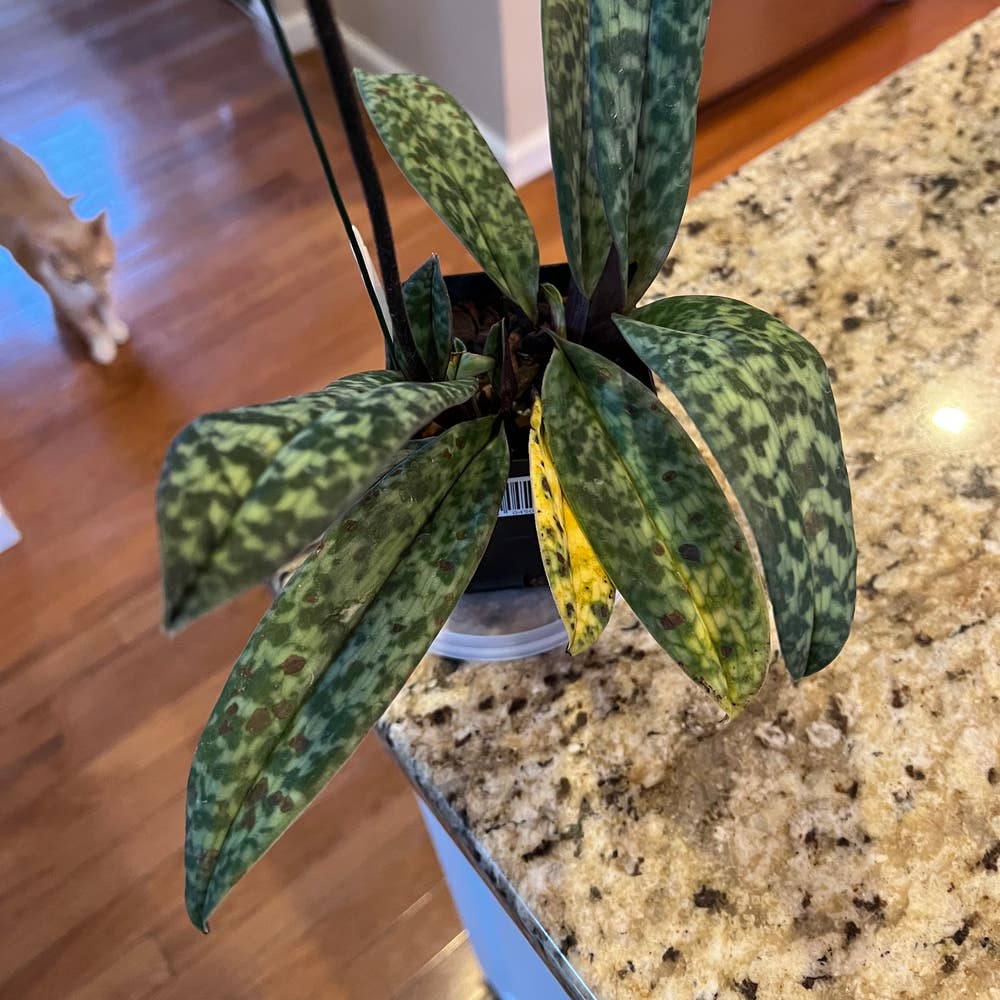
🌸 8 Common Sukhakul's Paphiopedilum Flowering Issues
Paphiopedilum sukhakulii
By the Greg Editorial Team
Oct 02, 2024•3 min read
This article was created with the help of AI so we can cover more plants for you. May contain errors. See one? Report it here.
Revive your Sukhakul's Paphiopedilum blooms 🌺 with essential tips to tackle common flowering issues and ensure vibrant flowers!
- 💡 Insufficient or excessive light can prevent Sukhakul's Paphiopedilum from blooming.
- 🌡️ Stable temperatures between 20°C to 25°C are crucial for encouraging blooms.
- 🌿 Balanced fertilizer every 2-4 weeks supports healthy flowering during the growing season.
Flowering Issues in Sukhakul's Paphiopedilum
🌸 Failure to Bloom
Potential Causes
Sukhakul's Paphiopedilum may fail to bloom due to several factors. Insufficient or excessive light exposure can disrupt the flowering process, while inconsistent temperatures can also affect the bloom cycle. Additionally, a lack of essential nutrients may hinder flowering.
Solutions and Care Adjustments
To encourage blooming, adjust light conditions to provide bright, indirect light. Maintaining stable temperatures between 20°C to 25°C (68°F to 77°F) is crucial, along with using a balanced orchid fertilizer every 2-4 weeks during the growing season.
🌼 Premature Flower Drop
Identifying Symptoms
Premature flower drop can manifest as buds dropping before they open or flowers wilting and shriveling. Recognizing these symptoms early can help in addressing the underlying issues.
Causes
Environmental stress, such as sudden changes in humidity or temperature, often leads to premature flower drop. Additionally, improper watering—either overwatering or underwatering—can create stress that affects flower retention.
Remedies and Preventive Measures
To prevent premature flower drop, maintain consistent humidity levels between 50-70%. Establish a watering schedule that allows you to water only when the top inch of soil is dry, ensuring your plant remains healthy.
🌺 Abnormal Flower Development
Description of Abnormal Flowers
Abnormal flower development may present as misshapen or smaller flowers than expected, along with color variations or a lack of vibrancy. These issues can be frustrating for any orchid enthusiast.
Causes
Genetic factors inherent to Sukhakul's Paphiopedilum can contribute to abnormal flower development. Care mistakes, such as improper light, nutrition, or watering practices, can also play a significant role.
Solutions to Encourage Proper Development
To encourage proper flower development, ensure optimal light and humidity conditions. Regularly monitor and adjust nutritional intake by using specific fertilizers designed for orchids.
🐛 Pests and Diseases Impacting Flowering
Common Pests
Pests can significantly impact flowering in Sukhakul's Paphiopedilum. Common culprits include aphids, spider mites, and mealybugs, which can damage flowers and overall plant health.
Treatment Options and Preventive Measures
For pest control, consider using insecticidal soap or neem oil. Regularly inspecting your plants for early signs of infestation can help you catch problems before they escalate.
🌦️ Seasonal Considerations for Flowering
Seasonal Changes and Their Effects
Different seasons can greatly affect bloom cycles. Spring typically marks active growth, while fall and winter often signal dormancy for Sukhakul's Paphiopedilum.
Preparing for Blooming Season
Before the expected bloom cycle, gradually increase light exposure and adjust watering. Signs that your plant is ready to flower include new growth and healthy leaf development, indicating it’s time to celebrate the upcoming blooms.
⚠️ Safety First
This content is for general information and may contain errors, omissions, or outdated details. It is not medical, veterinary advice, or an endorsement of therapeutic claims.
Always consult a qualified healthcare professional before using any plant as food, medicine, or supplement.
Never eat any plant (or feed one to pets) without confirming its identity with at least two trusted sources.
If you suspect poisoning, call Poison Control (800) 222-1222, the Pet Poison Helpline (800) 213-6680, or your local emergency service immediately.
Spotted an error? Please report it here.
Unlock the secret to blooming success 🌸 with your Sukhakul's Paphiopedilum by using Greg's tailored care reminders to maintain optimal light, humidity, and pest control for stunning flowers!