How Can You Tell If A Paphiopedilum sukhakulii Is Dying?
Paphiopedilum sukhakulii
By the Greg Editorial Team
Apr 16, 2024•6 min read
This article was created with the help of AI so we can cover more plants for you. May contain errors. See one? Report it here.
Rescue your Paphiopedilum sukhakulii from the brink 🌿 by decoding its desperate cries for help!
- Wilting leaves signal distress; act quickly to address potential issues.
- Over/under-watering affects leaves; adjust watering and check for root rot.
- Monitor light and temperature to prevent leaf scorch and promote healthy growth.
Spotting the SOS Signals from Your Paphiopedilum sukhakulii
🥀 Wilting Leaves and What They Whisper
Wilting leaves on a Paphiopedilum sukhakulii are not just a sign of a bad day; they're a distress call. If your orchid's leaves droop like they're too tired to stand up, it's time to act. This could be due to various issues, from water stress to root problems.
🎨 Discoloration: A Sign to Decode
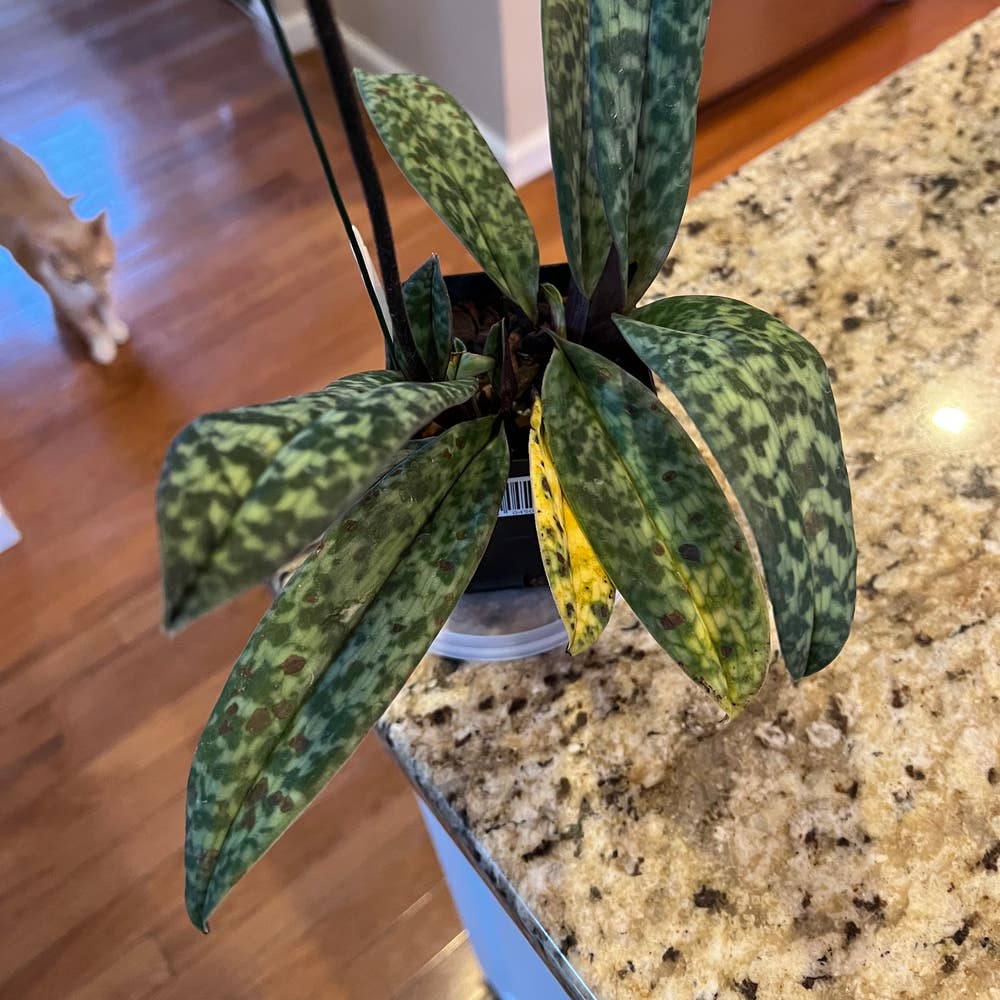
Leaf discoloration is like a secret code that needs cracking. Yellow leaves might be shouting 'overwatered!' or 'nutrient deficiency!' Brown spots could be whispering 'too much sun!' or 'fungal infection!' Pay attention to these color changes; they're key to unlocking your plant's health mysteries.
📉 Growth: When Less Means More Trouble
When your Paphiopedilum sukhakulii's growth stalls, it's not slacking off; it's signaling trouble. Stunted growth can point to a range of issues, from poor lighting to pest invasions. If your orchid isn't growing as it should, it's time for some detective work to get to the root of the problem.
Water Woes: Too Much or Too Little
💦 Over-watering Blues
Spotting the Soggy Signs
Limp leaves are the first cry for help; they should stand proud, not droop like they've given up. If the soil feels like a wet rag, it's overdone. Check for roots that are darker than your morning coffee and give off a scent that's anything but fresh.
Steps to Dry Out the Dampness
First, halt all watering to stop the swampiness. If root rot has set in, it's time for surgery: remove the plant, trim the rotten roots, and repot with new, well-draining soil. It's like hitting the reset button on your plant's life.
The Thirsty Paphiopedilum Plight
Identifying a Parched Plant
When leaves resemble crispy autumn foliage, your plant is screaming thirsty. Soil should not be a desert; if it's drier than your humor on a Monday morning, it's time for a drink.
Quenching the Thirst Correctly
Watering should be a ritual, not a race. Aim for a deep soak to promote healthy roots, and maintain a consistent schedule. If the top inch of soil is dry, it's a green light for hydration. Remember, it's about finding that sweet spot – moist, but not a monsoon.
Light and Temperature: Striking the Right Balance
💡 When the Light Isn't Right
Reading the Leaves for Light Issues
If your Paphiopedilum sukhakulii's leaves are stretching or fading, it's signaling distress. These are telltale signs of insufficient light. Conversely, leaves that look like they've had a run-in with a blowtorch suggest too much sun.
Finding the Sweet Spot for Sunlight
The sweet spot is bright, indirect light. Think of it as the plant's personal spa—enough light to rejuvenate without the burn. Rotate your plant regularly to promote even growth and prevent the botanical equivalent of a bad tan line.
🌡️ Temperature Tantrums
Detecting Discomfort in Your Plant
Leaves that mimic a piece of toast? Too hot. Growth at a standstill? Probably too cold. Your Paphiopedilum sukhakulii isn't shy about showing you it's not happy with the temperature.
Creating a Cozy Climate
Aim for a steady, warm environment—like a consistent hug for your plant. Avoid placing it near drafty windows or heat sources that could cause dramatic temperature swings. Your plant doesn't want to live in a weather-themed rollercoaster.
The Unseen Underground: Root Rot and Other Subterranean Scaries
🌱 Root Rot: The Silent Killer
🔍 Unearthing the Root of the Problem
Root rot is the ninja of plant diseases, often undetected until it's wreaking havoc below the surface. If your Paphiopedilum sukhakulii is looking sad and the soil smells like a marshland, it's time to play detective. Trust your nose; a bad odor is a distress signal from the roots.
💉 Salvaging the Situation
When root rot attacks, it's time for surgery. Unpot your plant and wash the roots to see the extent of the damage. Use sterilized scissors to cut away the rotted parts. After the operation, repot in fresh, sterile soil and adjust your watering habits to prevent a sequel.
🍄 Fungus Among Us
👀 Spotting Fungal Foes
Fungi are the covert agents of the root rot world, thriving in overwatered and poorly drained soils. Look for roots that are more mush than might. Discoloration and slimy texture are the telltale signs of these unwelcome guests.
🌿 Fungicide to the Rescue
If you're staring down a fungal invasion, fungicides are your plant's ally. Products like Propiconazole or Subdue can be effective, especially if used preventatively. Remember, the best offense is a good defense; keep those roots dry and happy to avoid fungal parties.
Pests and Pathogens: Uninvited Guests
🐛 Pests: Spotting the Sneaky Critters
Common Culprits in Paphiopedilum sukhakulii range from spider mites to mealybugs. These pests are sap-sucking party crashers that leave behind a mess of webbing and a cottony residue.
To detect these uninvited guests, inspect the undersides of leaves and the nooks of your plant. Use a magnifying glass to spot the tiny invaders and their telltale signs: webbing, stickiness, or the critters themselves.
🌿 Natural and Chemical Defenses
Natural predators, like lady beetles, can be introduced to combat spider mites. A strong blast of water can also dislodge these pests.
For chemical defenses, insecticidal soaps or neem oil can be effective. Apply with care, targeting affected areas to evict these freeloaders without harming your plant.
🍂 Leaf Scorching and Mold: External Evidences
Leaf Scorch Marks are often the result of too much love from the sun or a pest problem. If the leaves present with crispy, brown edges, it's time to reassess your lighting situation.
Mold is more than just a surface issue; it's a sign of excess moisture and poor air circulation. Look for fuzzy growths or black spots that signal fungal invaders.
🌱 Interpreting Leaf Scorch Marks
Scorched leaves can indicate that your plant is getting more light than it can handle. Adjust the plant's position to avoid direct, harsh sunlight.
🌬 Mold: More Than Just a Surface Issue
To tackle mold, improve airflow around your plant and reduce watering to make the environment less hospitable for fungi. If mold is present, remove affected leaves and treat with a fungicide if necessary.
⚠️ Safety First
This content is for general information and may contain errors, omissions, or outdated details. It is not medical, veterinary advice, or an endorsement of therapeutic claims.
Always consult a qualified healthcare professional before using any plant as food, medicine, or supplement.
Never eat any plant (or feed one to pets) without confirming its identity with at least two trusted sources.
If you suspect poisoning, call Poison Control (800) 222-1222, the Pet Poison Helpline (800) 213-6680, or your local emergency service immediately.
Spotted an error? Please report it here.
Turn your Paphiopedilum sukhakulii's frown upside down and prevent future woes 🌱 with Greg's personalized care reminders for a thriving, happy orchid!