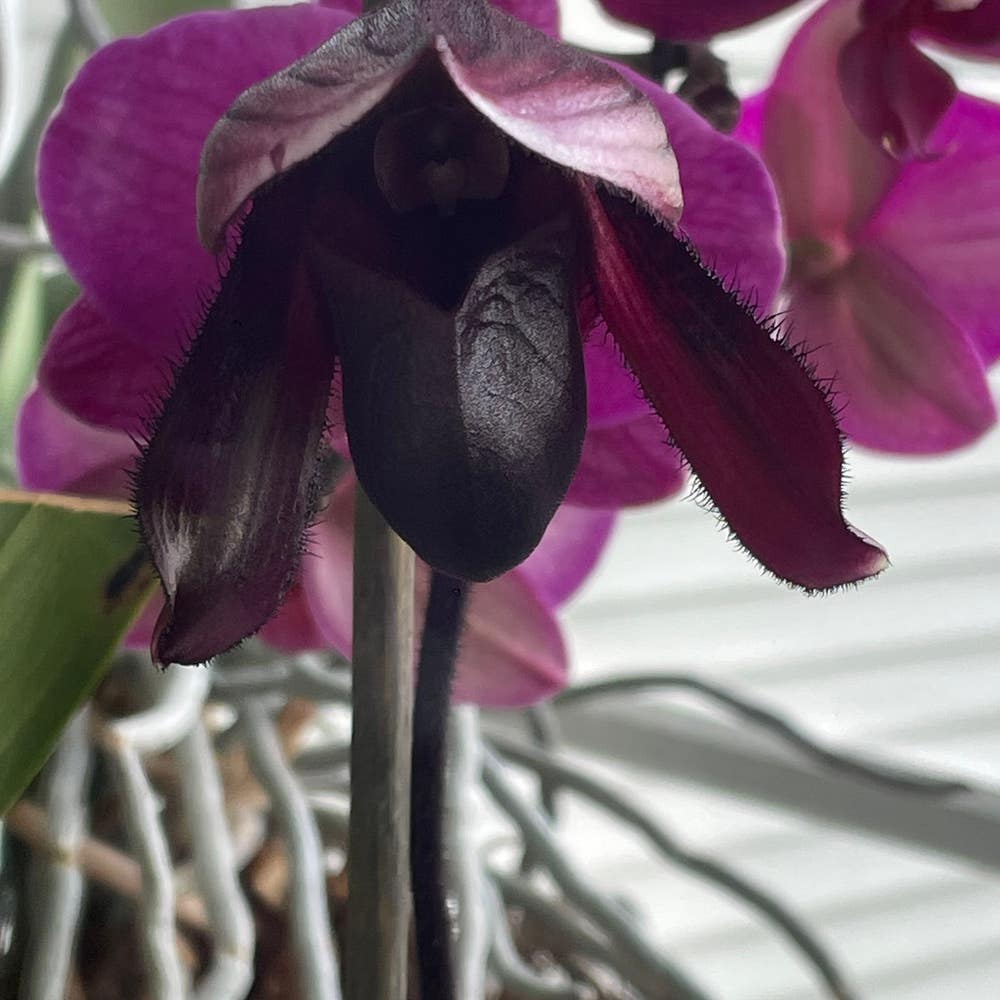
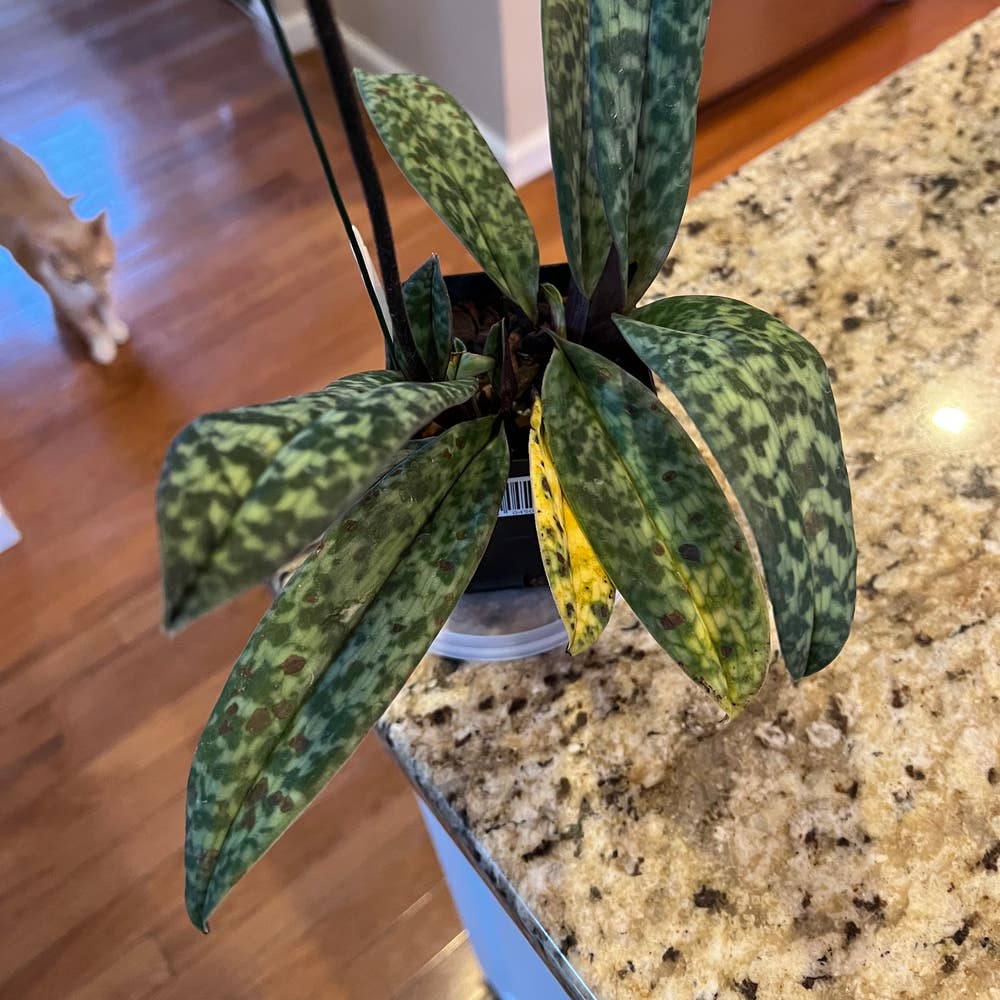
Why Are My Paphiopedilum sukhakulii Leaves Droopy? 😢
Paphiopedilum sukhakulii
By the Greg Editorial Team
Apr 16, 2024•4 min read
This article was created with the help of AI so we can cover more plants for you. May contain errors. See one? Report it here.
Prevent plant distress 🌿 by tackling the droopy leaf dilemma with proven care strategies for your Paphiopedilum sukhakulii!
- Droopy leaves signal distress; don't ignore, act quickly to prevent issues.
- 🌡️💧 Balance water, temperature, and humidity to maintain leaf perkiness.
- Proper potting and drainage are crucial for preventing droopiness.
Spotting the Signs: When Droopiness is a Problem
🚨 Recognizing Abnormal Drooping
In the world of Paphiopedilum sukhakulii, not all droops are created equal. Natural leaf movement is one thing, but a persistent sag that screams "I've given up on life" is quite another. If your plant's leaves are more slouch than sprout, especially come sunrise, it's time to pay attention. Yellowing, browning, or spotting are your plant's version of waving a white flag.
💡 Early Detection
Catching droopy leaves early is like intercepting a pass to plant demise—crucial. Keep your eyes peeled for subtle changes: a slow growth rate or a shift in leaf color are your plant's early distress signals. These can quickly snowball into a full-blown health crisis if ignored. Remember, droopiness is your plant's cry for help, not a cause in itself. It's telling you, in no uncertain terms, that something in its environment is off-kilter.
The Usual Suspects: Identifying Causes of Droopiness
💧 Water Woes
Overwatering and underwatering are the leading causes of droopy Paphiopedilum sukhakulii leaves. Roots need a balance; too much water and they're drowning, too little and they're parched. The soil should feel like a wrung-out sponge—moist, not soggy.
🚰 Drainage Dilemmas
Poor drainage is a recipe for droopy leaves. Ensure your pot has adequate holes and the soil mix doesn't hold water like a grudge. Adjust watering with the seasons—more when your plant's growing, less when it's not.
🌡️ Climate Culprits
🌡️ Temperature Tantrums
Extreme temperatures can wreak havoc on your Paphiopedilum sukhakulii. Leaves droop if it's too hot or cold. Aim for a stable, comfortable temperature to keep your plant's leaves perky.
💦 Humidity Havoc
Inconsistent humidity levels can also cause leaves to droop. Find the humidity sweet spot—too dry and your plant will thirst, too wet and it might as well be in a swamp. Consider a humidifier or pebble tray to maintain consistent moisture in the air.
First Aid for Droopy Leaves
💧 Watering Wisdom
Reviving droopy Paphiopedilum sukhakulii leaves starts with watering wisdom. Check the soil before you water; if the top inch feels like a desert, it's time to quench your plant's thirst. Water deeply but ensure the soil can dry out between sessions. Overwatering is a common misstep; your plant's not auditioning for a role in "Waterworld."
🌱 Soil Moisture Mastery
Moisture meters are your undercover agents in the battle against droop. They provide precise intel on when to water. If you're old school, the finger test works too—just dive an inch deep. Remember, the goal is moist, not a swamp or a desert.
🌿 Drainage and Potting Perfection
Choosing the right potting mix and container is like setting up a good drainage system in a house. Ensure your pot has enough drainage holes; it's a necessity, not a luxury. Mix in perlite or coarse sand to keep the soil well-aerated. Think of it as giving your plant's roots a breathable living space, not a waterlogged basement.
Creating the Ideal Home Environment
🌡️ Climate Control
To keep your Paphiopedilum sukhakulii's leaves perky, it's crucial to get the temperature and humidity just right. Avoid the extremes; your plant isn't a fan of sauna-like heat or arctic chills. Aim for a consistent, orchid-friendly temperature range, typically between 65-75°F (18-24°C).
Humidity is another piece of the puzzle. Your plant craves moisture in the air, but not to the point of creating a mini rainforest. Maintain a humidity level around 40-60%; this is the sweet spot where your plant's leaves can thrive without feeling like they're in a desert or a swamp.
The Comfort of Consistency
Consistency is king when it comes to preventing droopy leaves. Think of your plant's environment as the most boring reality show—no drama, just the same comfortable conditions day in and day out.
Monitor temperature and humidity daily, and make small adjustments as needed to avoid fluctuations. Grouping plants can help stabilize the microclimate, providing a communal buffer against the whims of your home's climate control.
Remember, your plant's environment should be as predictable as your morning coffee routine—comforting and reliable. Keep the airflow gentle; a soft fan can circulate air without creating a leaf-tossing tornado. By maintaining a stable environment, you're setting the stage for your Paphiopedilum sukhakulii to perform at its best, with leaves that stand tall and proud.
⚠️ Safety First
This content is for general information and may contain errors, omissions, or outdated details. It is not medical, veterinary advice, or an endorsement of therapeutic claims.
Always consult a qualified healthcare professional before using any plant as food, medicine, or supplement.
Never eat any plant (or feed one to pets) without confirming its identity with at least two trusted sources.
If you suspect poisoning, call Poison Control (800) 222-1222, the Pet Poison Helpline (800) 213-6680, or your local emergency service immediately.
Spotted an error? Please report it here.
Ensure your Paphiopedilum sukhakulii's leaves stay upright and healthy 🌡️ with Greg's custom watering plans and environment monitoring for optimal care.