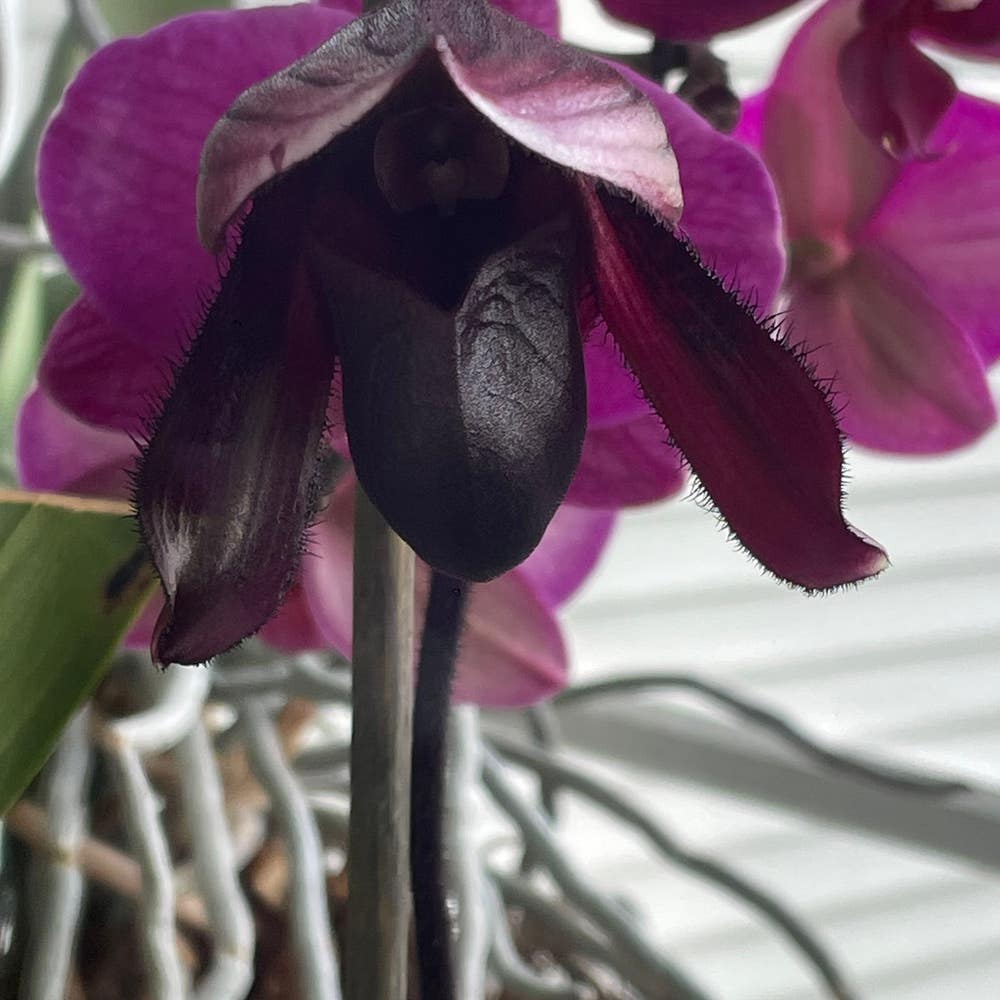
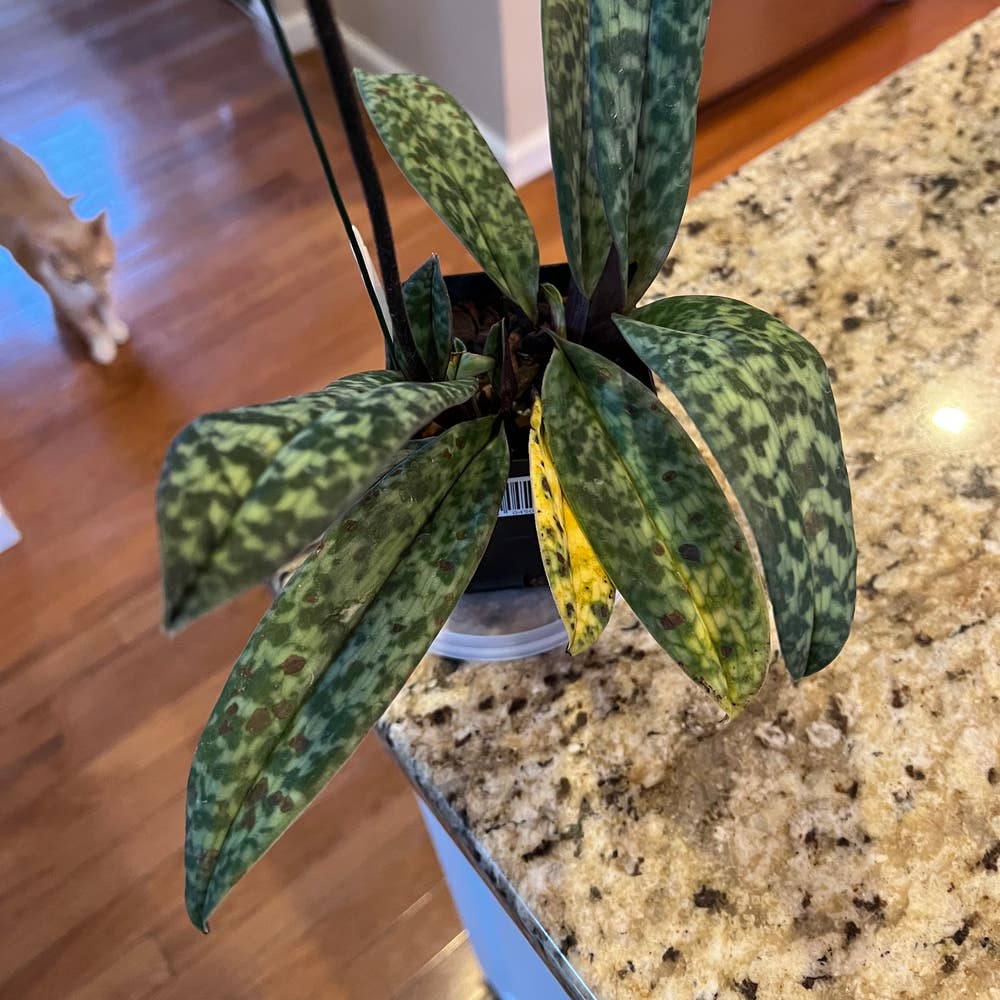
🌸 Ultimate Guide for How to Plant Sukhakul's Paphiopedilum
Paphiopedilum sukhakulii
By the Greg Editorial Team
Oct 02, 2024•5 min read
This article was created with the help of AI so we can cover more plants for you. May contain errors. See one? Report it here.
Unlock vibrant blooms by mastering the choice between planting new or transplanting established Sukhakul's Paphiopedilum! 🌱
- 🌱 Established plants bloom faster than new ones; consider transplanting for quicker results.
- 🌞 Optimal planting occurs in spring; ensure conditions are right for growth.
- 🏺 Use breathable pots and proper soil mix for healthy root development.
Planting New vs. Transplanting Established Plants
💰 Cost Considerations
When deciding between planting new Sukhakul's Paphiopedilum or transplanting established ones, cost plays a significant role. Planting new involves an initial investment in seeds or young plants, while transplanting can save you money since you’re utilizing existing plants.
⏳ Time to Maturity
The time it takes for your plants to mature is another crucial factor. New plants generally require a longer period to establish and bloom, whereas established plants can return to flowering much quicker, giving you that instant gratification.
🌱 Adaptability to Local Growing Conditions
Adaptability is key for successful growth. New plants may need more time to acclimatize to local conditions, while established plants are already tuned to their environment, making them easier to care for right off the bat.
Understanding these differences can help you make an informed decision that aligns with your gardening goals. Whether you choose to plant new or transplant established plants, each option has its unique benefits and challenges.
Planting New Sukhakul's Paphiopedilum
🌱 Optimal Timing for Planting
The best time to plant Sukhakul's Paphiopedilum is during its active growth cycle, which typically spans from spring to early summer. Be mindful of local climate conditions; avoid planting during extreme temperatures to ensure a successful start.
🪴 Selecting the Right Soil Mix and Containers
For optimal growth, use a soil mix that combines bark, perlite, and sphagnum moss. Choose breathable pots, such as clay or plastic containers with drainage holes, to promote healthy root development.
📏 Proper Depth and Spacing for Planting
When planting, ensure the crown of the plant is level with the soil surface for proper growth. Space your plants 6-12 inches apart to allow for adequate air circulation, which is crucial for their health.
☀️ Maintaining Ideal Growing Conditions
Sukhakul's Paphiopedilum thrives in bright, indirect sunlight. Aim to maintain humidity levels between 50-70% and keep temperatures within the range of 20°C to 30°C (68°F to 86°F) for optimal growth.
🌤️ Hardening Off Process Before Outdoor Planting
Before moving your plants outdoors, gradually acclimatize them over 1-2 weeks. Keep an eye out for signs of stress, such as wilting or leaf burn, to ensure they adapt well to their new environment.
Transitioning to the next section, understanding how to transplant established Sukhakul's Paphiopedilum will further enhance your gardening skills and ensure your plants continue to thrive.
Transplanting Established Sukhakul's Paphiopedilum
🌱 Optimal Timing for Transplanting
Transplanting your Sukhakul's Paphiopedilum is best done during its dormant period, which typically falls between late winter and early spring. This timing allows the plant to recover and adapt without the stress of active growth or flowering.
🛠️ Step-by-Step Instructions for Transplanting
- Prepare the New Planting Site: Ensure the new location has well-draining soil and receives appropriate light.
- Remove the Plant: Gently loosen the roots from the current container to avoid damage.
- Inspect Roots: Trim any dead or damaged roots to promote healthy growth.
- Place in New Container: Ensure the plant is positioned at the correct depth and spacing for optimal growth.
🏡 Preparing the New Planting Site
Soil preparation is crucial for a successful transplant. Mix in orchid soil components to enhance aeration, ensuring your plant has the best chance to thrive.
📏 Space Requirements for Established Plants
When transplanting, maintain a minimum spacing of 12-18 inches between mature plants. This distance allows for proper airflow and room for growth.
💧 Tips on Watering, Mulching, and Support
- Watering: Keep the soil slightly moist but avoid sogginess to prevent root rot.
- Mulching: Use orchid bark to help retain moisture and suppress weeds effectively.
- Support: If your plant is taller, consider using stakes to provide additional support.
Transplanting can be a rewarding process, allowing your Sukhakul's Paphiopedilum to flourish in a new environment. With the right timing and care, your plant will thrive and continue to bring beauty to your space. Next, let’s dive into troubleshooting common issues you might encounter during this journey.
Troubleshooting Common Issues
🌱 Identifying and Addressing Transplant Shock
Transplant shock can be a real concern for your Sukhakul's Paphiopedilum. Symptoms include wilting, yellowing leaves, and stunted growth.
To combat this, ensure you're watering properly. Avoid exposing the plant to direct sunlight immediately after transplanting to help it recover.
🛠️ Solutions for Establishment Problems
If your plant is struggling to establish itself, look for signs like slow growth or leaf drop. These issues often indicate that something isn't quite right.
Adjust your watering schedule and check for pests that might be hindering growth. A little attention can go a long way in getting your plant back on track.
🐛 Common Pests and Diseases Affecting Paphiopedilum
Pests like aphids, mealybugs, and spider mites can wreak havoc on your orchids. Identifying these pests early is crucial for effective management.
To prevent diseases, maintain proper humidity and ensure good air circulation around your plants. If pests do appear, consider using insecticidal soap or neem oil for treatment.
By staying vigilant and proactive, you can keep your Sukhakul's Paphiopedilum thriving and vibrant. Next, let's explore how to maintain optimal growing conditions for these beautiful orchids.
⚠️ Safety First
This content is for general information and may contain errors, omissions, or outdated details. It is not medical, veterinary advice, or an endorsement of therapeutic claims.
Always consult a qualified healthcare professional before using any plant as food, medicine, or supplement.
Never eat any plant (or feed one to pets) without confirming its identity with at least two trusted sources.
If you suspect poisoning, call Poison Control (800) 222-1222, the Pet Poison Helpline (800) 213-6680, or your local emergency service immediately.
Spotted an error? Please report it here.
Plant your Sukhakul's Paphiopedilum with confidence 🌼—let Greg guide you with tailored care tips and reminders to help your orchids thrive beautifully!