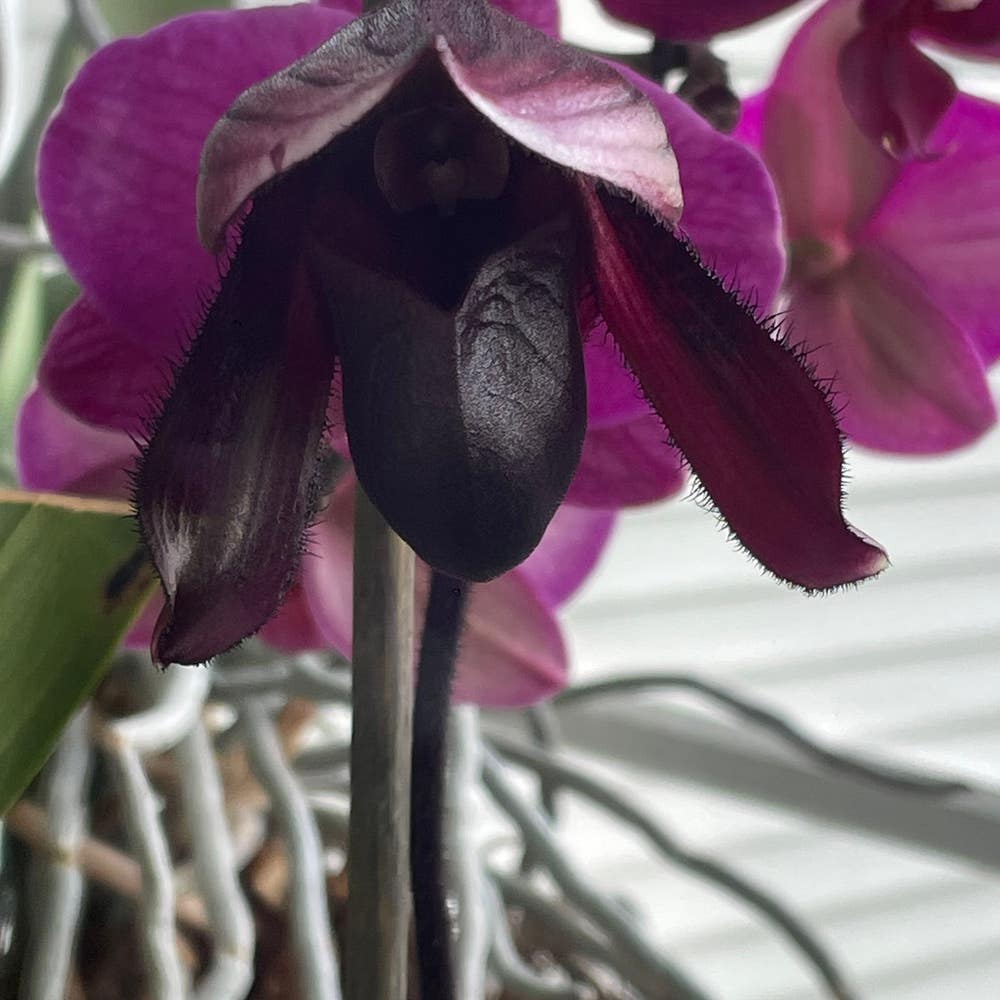
Soil Recommendations for Paphiopedilum sukhakulii
Paphiopedilum sukhakulii
By the Greg Editorial Team
Apr 16, 2024•4 min read
This article was created with the help of AI so we can cover more plants for you. May contain errors. See one? Report it here.
Discover the secret to vibrant Paphiopedilum sukhakulii blooms with this essential soil guide 🌸🌿.
- Mold and compaction signal poor soil health; repot and aerate as needed.
- Ideal mix: bark, perlite, sphagnum moss, and charcoal for Paphiopedilum sukhakulii.
- Regular check-ups and annual soil refreshes keep orchid roots healthy.
Spotting Trouble: When Your Orchid's Soil Goes Bad
🚨 Telltale Signs of Unhealthy Soil
Mold in your orchid's soil isn't just a visual blight; it's a red alert for excessive moisture and poor air circulation. A musty smell or the sight of fuzzy growth demands immediate action. Overly moist soil is like a wet sponge, suffocating your orchid's roots in their quest for air.
💧 Water Woes: Identifying Waterlogged or Compacted Soil
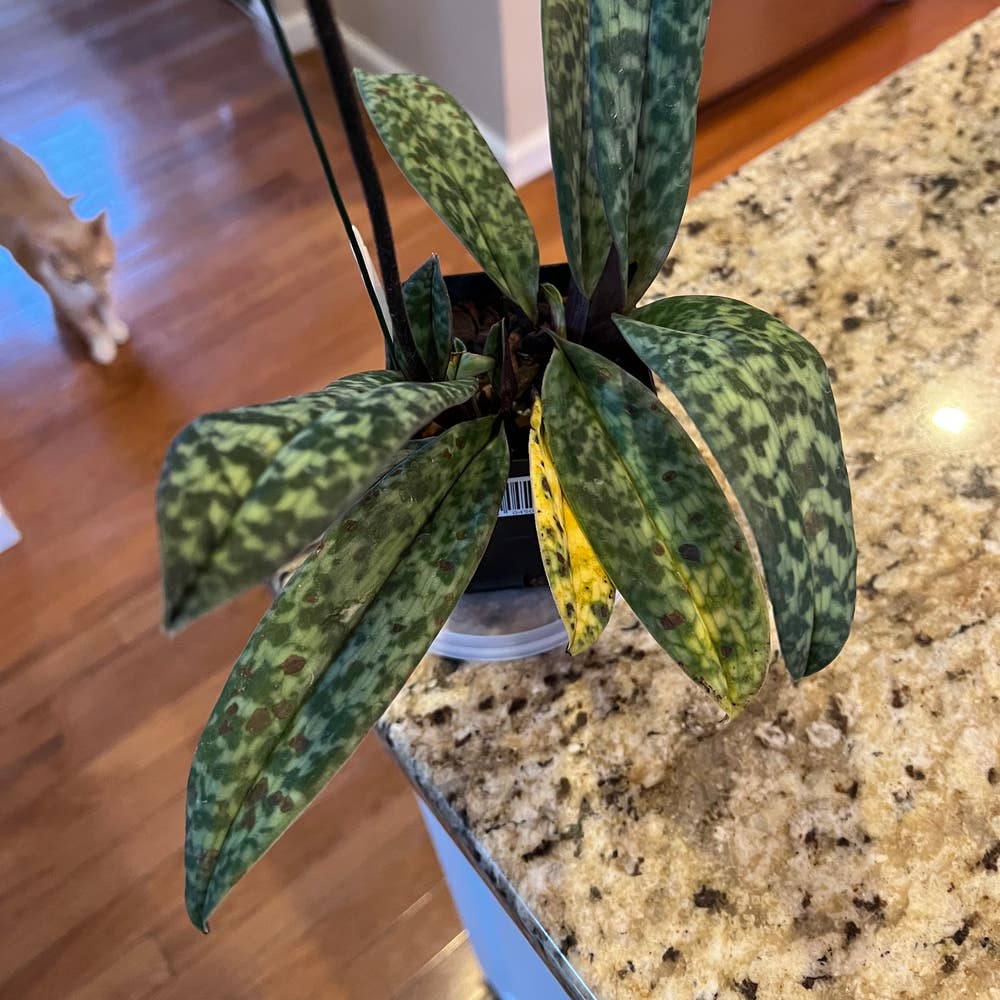
If the soil clings to your fingers like wet clay, you've got trouble. Compacted soil is like a tight corset around your orchid's roots; it needs loosening up. Yellow leaves or a general look of despair? Your plant is crying out for help.
Turning Things Around
🔄 How to Fix Moldy Situations: Repotting and Soil Sterilization
To kick mold to the curb, start by repotting your orchid with fresh, sterile soil. If you're feeling like a chemist, sterilize the pot with a bleach solution (1 part bleach to 9 parts water) to obliterate any lingering pathogens.
💨 Aeration Tactics: Loosening Compacted Soil for Better Breathability
Boosting breathability means breaking up the soil. Get in there and loosen the compacted mix, or consider adding perlite or bark to improve drainage. It's like giving your orchid's roots room to stretch and breathe.
Crafting the Perfect Home for Your Orchid's Roots
🌱 The Building Blocks of an Ideal Soil Mix
Bark, perlite, and sphagnum moss are the holy trinity of Paphiopedilum sukhakulii soil mixes. Bark provides the structure, perlite ensures aeration, and sphagnum moss retains just the right amount of moisture. Charcoal can also be added as a silent warrior against toxins.
🌿 Mixing It Up: Proportions and Texture
Aim for a mix that's moist, yet not soggy. Start with equal parts of bark, perlite, and sphagnum moss, then consider a dash of charcoal. Ensure the bark's chunkiness to prevent compaction, and let perlite be the lungs for your orchid's roots.
🏪 Store-Bought vs. Homemade: Soil Mix Showdown
🛒 Picking the Best Pre-made Mixes
Not all commercial mixes are worthy of your orchid. Look for ones that boast good drainage, like Black Gold All Orchid Mix, or go green with Perfect Plants All Natural Orchid Potting Mix. Premium Orchid Soil Mix is the jack-of-all-trades, catering to every whim of your plant.
🏷️ Label Literacy: Ingredients and Drainage Clues
When eyeing store-bought options, scrutinize labels for perlite or sand prominence, indicating solid drainage. Organic matter should be present but not dominant. Limestone is a plus for pH balance. The mix should feel light, signaling good aeration. Remember, it's about finding the tailored suit for your orchid's roots.
Keeping the Good Times Rolling: Maintaining Ideal Soil Conditions
🕵️ Regular Check-ups: Monitoring Soil Health
Monthly soil inspections are essential. Dive in with your fingers to assess the soil's texture and moisture. If it feels compacted or soggy, you've got a red flag on your hands.
Healthy roots should be your focus during these check-ups. They're the lifeline of your Paphiopedilum sukhakulii. Look for firm and white or green roots; dark or mushy ones spell trouble.
📊 pH and Nutrient Levels
Test the pH annually with a kit. If it's off, adjust your care routine accordingly. Also, keep tabs on major and micronutrients to ensure your orchid isn't starving.
🌡️ Environmental Monitoring
Keep an eye on the surrounding environment. Temperature fluctuations or improper lighting can indirectly affect soil health. Adjust care as the seasons change.
Refresh and Revitalize: When to Change Your Soil
Look for signs of soil exhaustion like a drop in your orchid's usual zest for life. This could mean it's time for a soil refresh, not necessarily a full repotting.
Top Layer Swap
Consider swapping out the top layer of soil annually, or when you notice compaction. It's like giving your orchid a mini spa day without the stress of a new pot.
Full Soil Change
If you spot persistent problems, such as bad drainage or root rot, it may be time for a complete soil overhaul. Be gentle with your orchid's roots to minimize stress.
Remember, maintaining ideal soil conditions is a continuous process. Regular care and observation are key to keeping your Paphiopedilum sukhakulii thriving.
⚠️ Safety First
This content is for general information and may contain errors, omissions, or outdated details. It is not medical, veterinary advice, or an endorsement of therapeutic claims.
Always consult a qualified healthcare professional before using any plant as food, medicine, or supplement.
Never eat any plant (or feed one to pets) without confirming its identity with at least two trusted sources.
If you suspect poisoning, call Poison Control (800) 222-1222, the Pet Poison Helpline (800) 213-6680, or your local emergency service immediately.
Spotted an error? Please report it here.
Keep your Paphiopedilum sukhakulii's soil healthy and happy 🌿 with Greg's custom reminders to check for moisture and aeration.