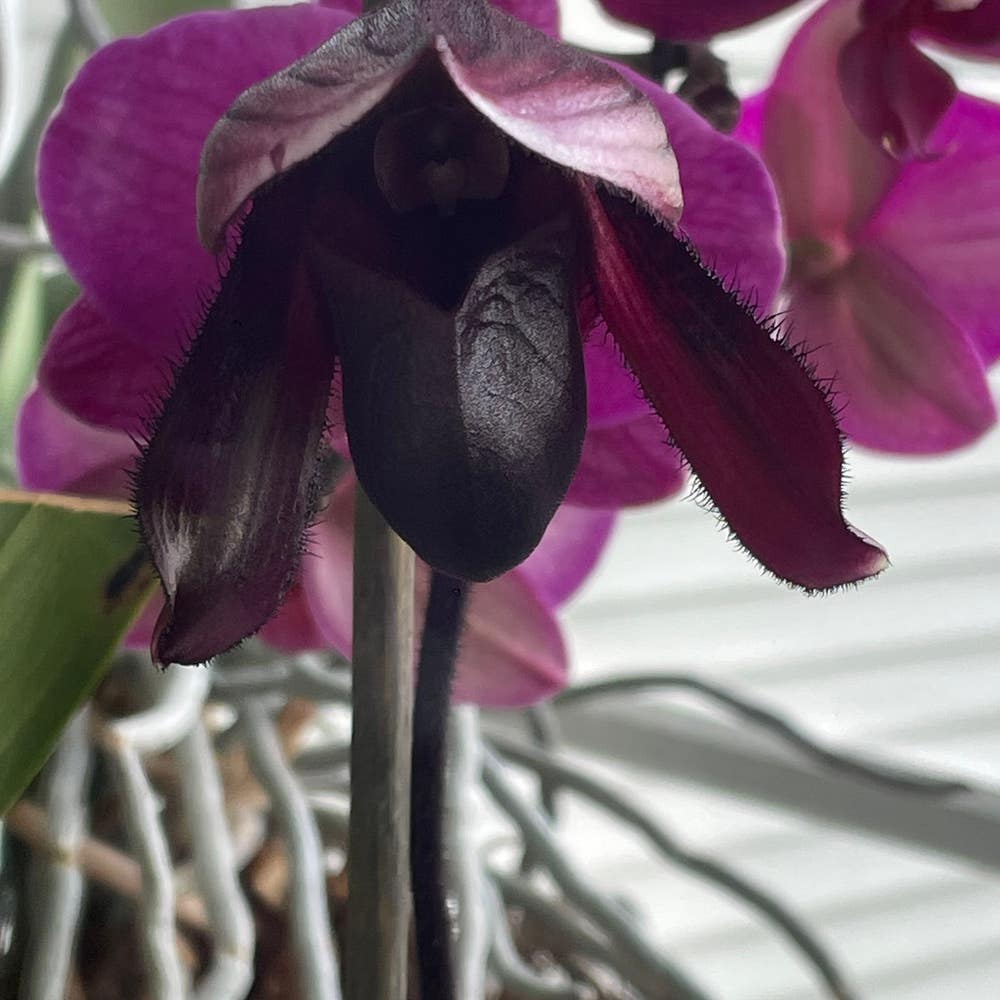
⚠️ What Do I Do About Paphiopedilum Sukhakulii Root Rot?
Paphiopedilum sukhakulii
By the Greg Editorial Team
Apr 16, 2024•4 min read
This article was created with the help of AI so we can cover more plants for you. May contain errors. See one? Report it here.
Rescue your orchid 🌱 from root rot's clutches with these life-saving care tips!
- Yellow leaves and mushy roots signal root rot in Paphiopedilum sukhakulii.
- Immediate action: prune, use fungicides, and repot with sterile mix.
- Prevent recurrence with proper watering, drainage, and regular root checks.
Spotting Trouble: Recognizing Root Rot in Your Paphiopedilum Sukhakulii
🚩 Identifying the Symptoms
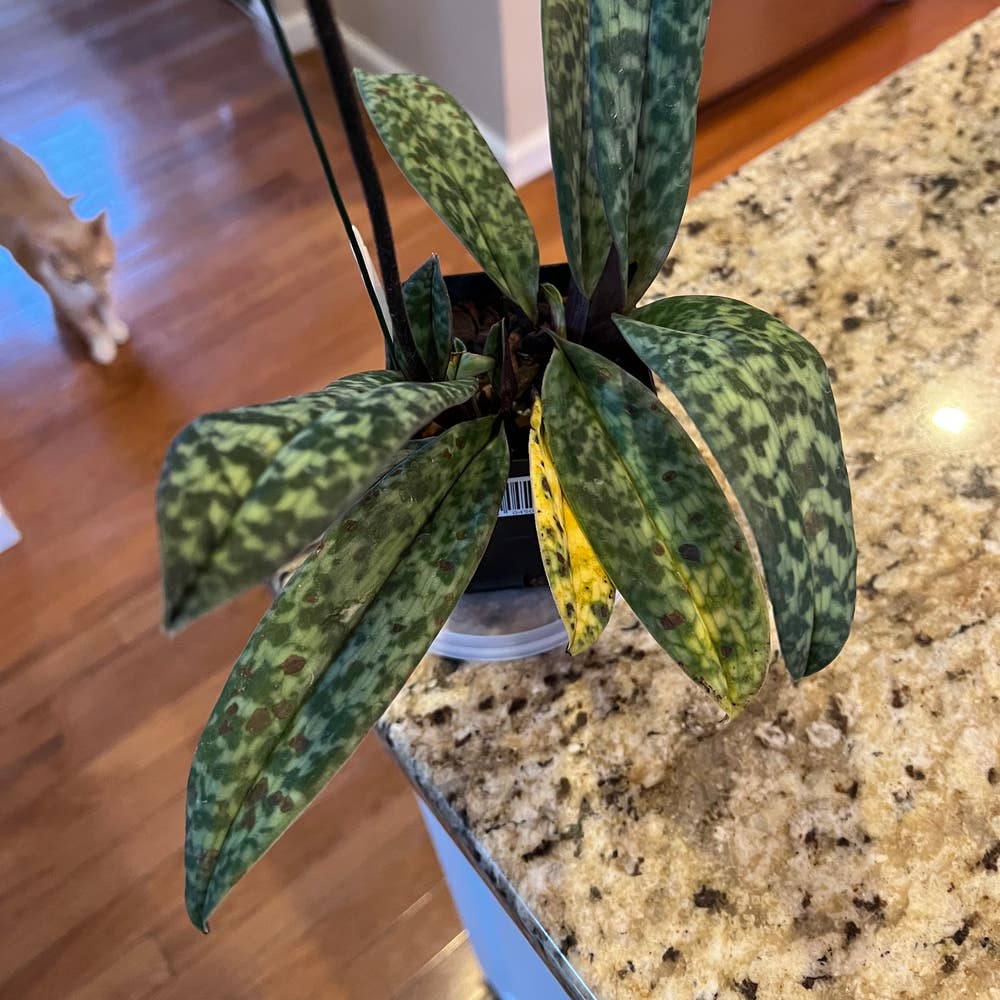
Yellowing leaves and a general wilted demeanor in your Paphiopedilum sukhakulii are not just signs of a bad day; they're distress signals. When the roots take on a mushy consistency, it's a clear indication that something's amiss. Unlike other issues that might cause mere spots or discoloration, root rot turns the roots into a mushy mess.
🕵️ Confirming Your Diagnosis
To be sure it's root rot, you'll need to get up close and personal with the roots. Discoloration and a distinct, unpleasant odor are dead giveaways. Catching root rot early can mean the difference between a quick recovery and a plant funeral. Remember, healthy roots are firm and white, not brown and crumbly like overcooked noodles.
Taking Action: Treating Root Rot in Paphiopedilum Sukhakulii
🚑 Immediate Steps to Save Your Plant
Root rot in your Paphiopedilum sukhakulii is like a ticking time bomb; act fast or kiss your orchid goodbye. Isolate the plant to stop any fungal fiesta from spreading to the rest of your collection.
🌱 Prune the Damage
Grab your sterilized scissors, because it's surgery time. Snip away the mushy, discolored roots with the precision of a bonsai master. Healthy roots are firm and white, not like overcooked spaghetti.
🧼 Disinfecting the Survivors
After the amputation, it's time for a root bath. Fungicides are your new best friend—choose wisely and avoid the old wives' tales. A sprinkle of sulfur or a dash of cinnamon can act as a protective barrier against further fungal invasion.
🌿 Fresh Start with Potting
Repotting is not just a change of scenery; it's a lifeline. Plant your orchid in a fresh, sterile potting mix and remember, less is more when it comes to watering during recovery.
💦 Revamping Your Watering Routine
Overwatering is the root of all evil when it comes to root rot. It's time to rethink your watering schedule and technique to keep your Paphiopedilum sukhakulii from drowning.
🔄 Adjusting Watering Frequency
Less frequent watering is key. Let the plant dry out between waterings, but don't turn your orchid into a desert dweller. It's a delicate balance, like walking a tightrope over a swamp.
⚖️ Perfecting Moisture Balance
The goal is to maintain a balance of moisture that keeps your Paphiopedilum sukhakulii happy without turning its pot into a petri dish. Think of it as setting the thermostat for success—too much water and you're stewing roots, too little and you're parching them.
Building Defenses: Preventing Future Root Rot
🏰 Crafting the Perfect Home
Creating a fortress against root rot begins with the basics: the pot and the potting mix. It's like setting up a cozy, breathable apartment for your plant's roots.
🌱 Potting Mix Mastery
Start with a sterile all-purpose potting soil for structure and nutrients. Add perlite for lightness and aeration, coarse sand or pumice for quick drainage, and a touch of peat moss to retain just enough moisture while keeping the pH slightly acidic. It's a tailored suit for your plant—snug but not stifling.
🏺 The Right Pot
Choose a pot that's Goldilocks-approved—not too big, not too small. Ensure it has drainage holes. Elevate the pot with feet or a stand to encourage air flow and prevent waterlogging. Terra cotta pots are a win for their porous nature, letting roots breathe easy.
🌿 Creating the Ideal Environment
The trifecta of temperature, humidity, and air circulation can make or break your plant's health. It's about creating a stable environment where root rot is just a boogeyman.
🌡️ Temperature and Humidity
Keep the temperature consistent; your plant's not a fan of surprises. Use a pebble tray or humidifier to maintain humidity levels without turning your plant's home into a tropical swamp.
💨 Air Circulation
Ensure good air circulation with a fan or an open window. Rotate your pots occasionally to promote even growth and prevent disease from setting up camp. Remember, stagnant air is as welcome as a skunk at a garden party.
Keeping Vigilant: Ongoing Care and Monitoring
🔍 Regular Root Check-ups
Regularly inspecting your Paphiopedilum sukhakulii's roots is like being its personal health detective. Look for any signs of rot, such as brown or black roots that feel mushy to the touch. A healthy root system should be firm and mostly white with some green tips. Don't wait for visible distress; make these check-ups a routine part of your plant care, much like you'd regularly check your car's oil level.
🛡️ Proactive measures to keep your Paphiopedilum sukhakulii thriving
Stay alert for any changes in your plant's appearance. Yellowing leaves can be a distress signal, prompting a root inspection. Keep your tools clean and sterilized to prevent the spread of disease during pruning. Adjust your watering schedule with the changing seasons—Paphiopedilum sukhakulii prefers consistency but not sogginess. Remember, a vigilant gardener is the best defense against root rot.
⚠️ Safety First
This content is for general information and may contain errors, omissions, or outdated details. It is not medical, veterinary advice, or an endorsement of therapeutic claims.
Always consult a qualified healthcare professional before using any plant as food, medicine, or supplement.
Never eat any plant (or feed one to pets) without confirming its identity with at least two trusted sources.
If you suspect poisoning, call Poison Control (800) 222-1222, the Pet Poison Helpline (800) 213-6680, or your local emergency service immediately.
Spotted an error? Please report it here.
Prevent Paphiopedilum sukhakulii root rot 🛡️ with Greg's tailored care reminders, ensuring your orchid thrives through vigilant gardening and timely interventions.